The Evolution of Musical Talents in the Digital Age: Platforms and Tools that Transform Aspirations into Reality
The Digital Revolution in Music Creation
The advent of the digital age has fundamentally transformed the landscape of music creation, consumption, and distribution. With innovative platforms and cutting-edge tools, aspiring musicians now enjoy unprecedented access to a variety of resources that empower them to turn their dreams into tangible success stories. This evolution has not only democratized the music industry but also enabled artists to cultivate their unique artistic voices from anywhere in the world.
Numerous key developments have fueled this transformative wave:
- Social Media Platforms: In today’s digital era, artists have the ability to showcase their talents to global audiences through platforms like Instagram, TikTok, and YouTube. For example, artists such as Lil Nas X gained fame through viral TikTok videos, demonstrating how social media can act as a launchpad for musical careers.
- Digital Audio Workstations (DAWs): Software such as Ableton Live, FL Studio, and GarageBand allows creators to produce high-quality music from the comfort of their homes, significantly lowering the barrier to entry for music production. This accessibility enables anyone with a computer and passion for sound to explore their musical talents.
- Streaming Services: Platforms like Spotify, Apple Music, and Bandcamp provide musicians with the tools to distribute their work widely and connect with listeners without the need for traditional record deals. Many independent artists have found success by leveraging these platforms to reach new audiences and establish their brand.
These advancements have reshaped the music production process, creating new opportunities for collaboration and feedback. Emerging artists can now seamlessly connect with established musicians and industry experts, leading to an environment ripe for innovation and talent development. For instance, virtual jam sessions and collaborative projects across geographic boundaries have become commonplace, allowing diverse musical influences to inspire creativity and cross-genre collaborations.
However, as we delve into the transformative effects of technology on musical aspirations, it is crucial to acknowledge the challenges intertwined within this empowering landscape. The journey of an artist today is increasingly less about waiting for a lucky break and more about effectively navigating a dynamic ecosystem filled with abundant resources. Artists must hone their marketing skills, engage meaningfully on social media, and understand data analytics to effectively promote their music in the saturated marketplace.
In this rapidly evolving environment, staying current with trends and technologies will be integral for any musician’s success. The ability to adapt, innovate, and leverage the digital tools at their disposal will not only help artists find their audiences but also redefine the soundscape of the future.
DISCOVER MORE: Click here to uncover sustainable craft techniques
Transformative Tools for Aspiring Musicians
The digital landscape has given rise to an impressive array of tools that cater to both emerging and established musicians. These tools are not just mere enhancements; they are instrumental in enabling artists to unleash their creativity and refine their craft. As technology continues to evolve, the barriers that once restricted access to music production and distribution have all but vanished, allowing a diverse array of talents to emerge from unexpected places.
One of the standout transformations in music production is the phenomenon of remote collaboration. Musicians can now connect with fellow creatives from all corners of the globe through platforms like Soundtrap and Splice. These platforms allow artists to easily share projects, track changes, and co-create on tracks without ever being in the same physical space. In fact, collaborations that once required travel and extensive planning can now be accomplished with a few clicks, inspiring a multitude of new sounds and artistic expressions.
- AI-Driven Composition Tools: Artificial intelligence has begun to play a crucial role in music creation. Tools like Amper Music and OpenAI’s MuseNet empower musicians to generate ideas, melodies, and entire compositions at a tap of a button. This technology is not intended to replace the artist but rather to serve as a creative partner, allowing musicians to explore new musical landscapes they may not have considered before.
- Virtual Instruments: Digital synthesizers and sample libraries, such as those found in Native Instruments’ Komplete or Spectrasonics’ Omnisphere, have redefined what an artist can achieve at home. The ability to craft lush soundscapes using virtual instruments has opened up numerous possibilities, enabling musicians to experiment with genres that were once thought to be the domain of studio professionals.
- Online Learning Platforms: The accessibility to high-quality music education has also increased exponentially. Platforms like MasterClass, Skillshare, and YouTube offer tutorials and courses from industry veterans, making it easier for aspiring musicians to learn anything from songwriting to mastering techniques. This access to knowledge nurtures talent and equips artists with the skills necessary to succeed.
As the market becomes increasingly saturated with aspiring artists, the tools available today have made it essential for musicians to cultivate a unique identity. The rise of branding and online presence has become paramount, as musicians must learn to craft not just their sound but their entire persona in ways that resonate with audiences. This is where services like Canva for graphic design and Linktree for curating multiple social media links come into play, enabling artistic voices to establish cohesive and appealing online narratives.
The reality is that while these tools and platforms enable musicians to flourish, they also require a growing mastery of various skills beyond just making music. The navigation of this digital landscape demands a blend of creativity and savvy entrepreneurship, making it essential for artists to remain aware and adaptive to trends. They are not just musicians anymore; they are innovators and marketers playing multiple roles in their artistic journeys.
| Platform | Advantages |
|---|---|
| Music Streaming Services | Access to a vast library of global music and emerging artists. |
| Social Media Platforms | Innovative engagement with audiences through live performances and viral challenges. |
| Music Creation Apps | User-friendly tools that allow anyone to create, edit, and share music. |
The digital age has redefined how musical talents evolve, thanks to an array of platforms and tools that empower individuals to pursue their dreams. Music streaming services like Spotify and Apple Music provide access to a limitless library, allowing artists to showcase their work and connect with listeners worldwide. Social media platforms, such as Instagram and TikTok, offer a unique space for musicians to engage directly with audiences, fostering a sense of community while facilitating the discovery of new talent.Moreover, mobile music creation apps have democratized the production process. These intuitive tools enable aspiring musicians to create professional-quality tracks from their smartphones, breaking down barriers that previously hindered creative expression. As a result, artists no longer need expensive studio time to bring their visions to life, leading to an exciting era where anyone can transform their musical aspirations into reality.
DIVE DEEPER: Click here to discover innovative crafting techniques
Navigating the Music Distribution Landscape
As aspiring musicians hone their skills and cultivate their identities, the distribution of music represents a pivotal juncture in their journey to success. The advent of digital distribution platforms has revolutionized how artists share their work with the world. Services like DistroKid, TuneCore, and CD Baby have democratized access to major streaming platforms such as Spotify, Apple Music, and Amazon Music. This development allows musicians to release their music without requiring a traditional record label, paving the way for independent artists to thrive.
Moreover, the analytics provided by these platforms enable musicians to gain critical insights into their audience. For instance, Spotify for Artists and Apple Music for Artists equip users with data on listener demographics, geographic locations, and behavior patterns. This information helps artists tailor their marketing strategies and build a more engaged fanbase. By understanding their audiences, musicians can create content that resonates, increasing the likelihood of a successful career.
- Social Media as a Launchpad: The rise of platforms like Instagram, TikTok, and YouTube has transformed the promotional landscape. Artists can now leverage these platforms to share snippets of their music, engage with fans, and even showcase their creative processes. Notably, TikTok has become instrumental in launching viral music trends, propelling previously unknown artists into the mainstream. The platform’s short-form video format allows catchy hooks to circulate rapidly, creating a unique opportunity for exposure.
- Fan Engagement through Crowdfunding: Platforms such as Patreon and Kickstarter offer musicians a chance to engage their fanbase in a new manner. Through crowdfunding, artists can financially support their projects by connecting with fans who share a passion for their work. This kind of direct support fosters a sense of community and encourages a more personal relationship between artists and their followers.
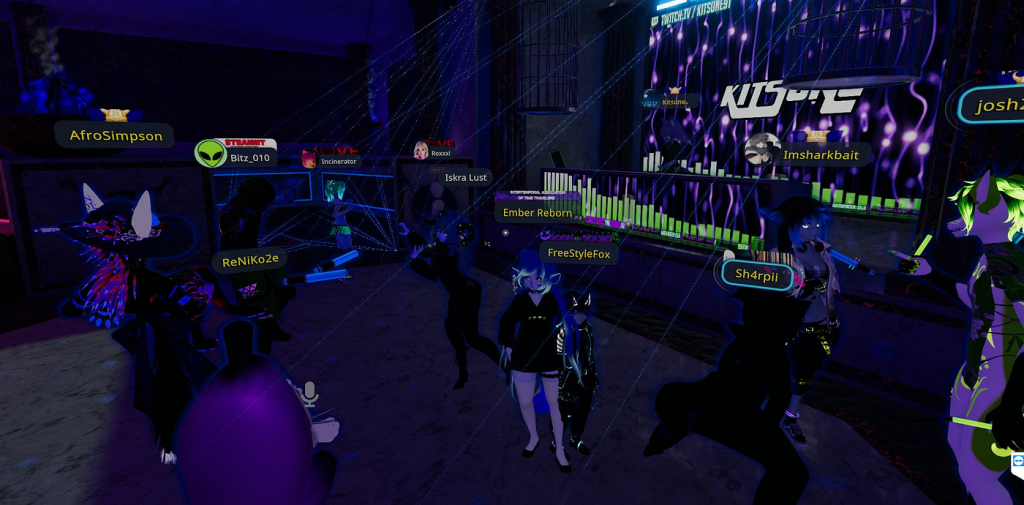
- Virtual Concerts and Live Streaming: With the rise of platforms like Twitch and Instagram Live, artists can host virtual concerts, reaching global audiences. This shift is especially beneficial for emerging talents who may struggle to secure traditional venues. The accessibility of live streaming allows them to showcase their work in real-time and foster genuine connections with their audience, transcending geographical barriers.
While these platforms provide incredible opportunities for visibility, the landscape is not without its challenges. The saturation of content on streaming platforms does pose a risk, leading to the phenomenon known as “the attention economy.” Musicians must not only create exceptional music but also find innovative ways to capture attention in a crowded marketplace. This can involve consistent content creation, engagement with followers, and the adaptation of marketing techniques to stay relevant.
As the digital frontier continues to expand, musicians are faced with the exciting yet daunting reality that they must embrace a range of skills, from creative songwriting to savvy marketing tactics. The evolution of music in the digital age reveals not just a pathway for artistic expression, but a complex ecosystem requiring adaptability and continuous learning. As artists navigate this multifaceted landscape, their resilience and ingenuity will play a vital role in transforming aspirations into a lasting musical legacy.
DIVE DEEPER: Click here to uncover the magic of literary genres
Conclusion
The evolution of musical talents in the digital age showcases a remarkable transformation propelled by innovative platforms and tools that empower artists to realize their dreams. As technological advancements continue to reshape the music industry, creators can now navigate an unprecedented array of opportunities that were once reserved for a select few. With digital distribution platforms democratizing access to global audiences, artists from diverse backgrounds can monetize their artistry without the constraints of traditional record labels.
As we delve deeper into this era, it’s clear that success hinges not only on musical ability but also on mastering the art of digital engagement. By leveraging social media and crowdfunding, artists forge direct connections with their fans, tailoring their music to meet the unique preferences of their burgeoning listener base. Additionally, virtual concerts and live streaming present new avenues for reaching audiences worldwide, effectively dismantling the geographical barriers that have historically hindered many aspiring musicians.
However, the journey remains fraught with challenges as artists contend with the saturation of content in the ever-competitive landscape. The necessity for adaptability and continuous learning becomes paramount, requiring musicians to innovate not only in their craft but also in their promotional strategies. As we look to the future, it is evident that resilience and creativity will play pivotal roles in navigating this complex ecosystem.
The digital age has given rise to a vibrant landscape wherein every aspiring musician has the potential to chart their course. By embracing the myriad of tools and platforms at their disposal, artists can transform their aspirations into reality, ultimately enriching the global music tapestry in ways that continuously inspire and evolve.