Developing Musical Skills at Home: Tips and Resources for Aspiring Musicians
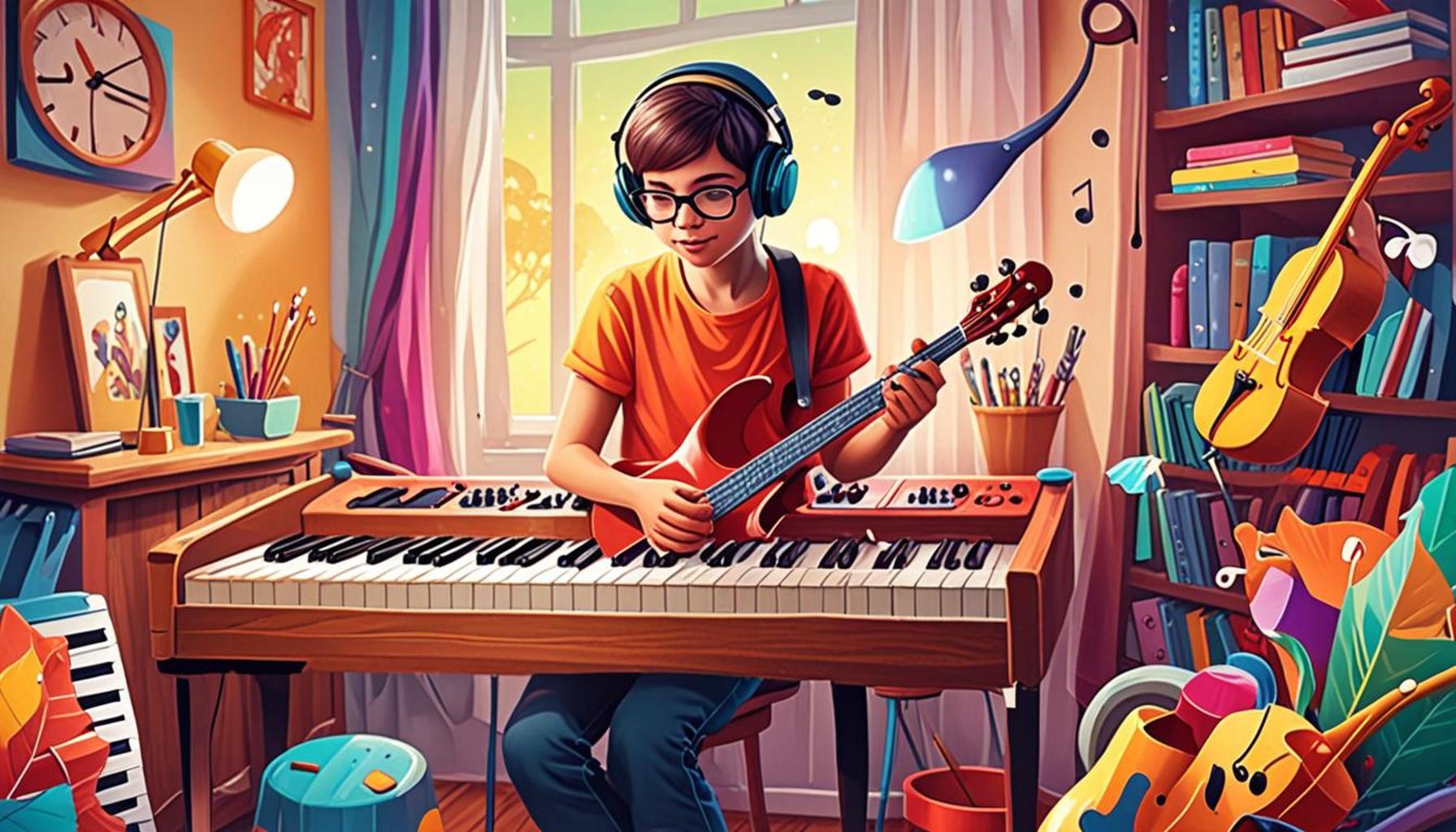
Unleashing Your Inner Musician
In an age when technology and creativity intertwine, the opportunity to develop musical skills at home has never been more accessible. Aspiring musicians can harness a plethora of resources that can transform their passion into proficiency. With just a smartphone, computer, or even a simple instrument, anyone can embark on a musical journey, no matter their starting point.
Whether you are already familiar with an instrument or just starting your musical journey, here are key elements to consider:
- Online Tutorials: Platforms like YouTube and Udemy offer extensive lessons tailored to all skill levels. YouTube alone hosts thousands of channels dedicated to music, ranging from beginner tutorials on guitar or piano, such as JustinGuitar and PianoVideoLessons, to advanced techniques in genres like jazz or rock. For a more structured approach, Udemy’s courses often come with comprehensive modules and assignments that guide you step-by-step, allowing you to track your progress.
- Practice Routines: Consistency is crucial; developing a daily practice schedule can significantly enhance your skills. Setting aside just 30 minutes a day can lead to remarkable progress in just a few weeks. Break these sessions into warm-ups, technique drills, and fun playing time, ensuring that each practice is both productive and enjoyable.
- Music Apps: Applications such as Yousician and Simply Piano provide interactive lessons and real-time feedback. Yousician, for example, listens to you play and offers instant corrections, turning your smartphone into a virtual instructor. Furthermore, their gamified approach helps maintain motivation as you progress through levels and earn rewards.
Beyond individual practice, a supportive community can prove invaluable. Engaging with fellow musicians through online forums, such as Reddit’s r/musicians or local Meetup groups, fosters motivation and collaboration. These platforms allow you to share your progress, seek advice, and connect with others who share your musical interests. Being part of a community can make the learning process more enjoyable and less isolating, providing encouragement when challenges arise.
This article will guide you through effective strategies and valuable resources that can accelerate your musical progression while practicing at home. Whether you aim to master a classical piece, improve your songwriting abilities, or create original compositions, the tools are right at your fingertips. The beauty of today’s resources lies in their ability to accommodate personal learning styles, with options ranging from traditional sheet music to innovative digital platforms.
In conclusion, the path to musical mastery is paved with opportunities, and with dedication and the right resources, you will not only develop technical skills but may also discover your unique artistic voice. Embrace this exciting journey and let your creativity flourish!

DISCOVER MORE: Click here to dive deeper
Essential Tools and Techniques for Music Mastery
As an aspiring musician, the journey of honing your craft is filled with exciting discoveries and personal growth. To embark on this path, it’s crucial to equip yourself not only with a musical instrument but also with the right strategies and tools to maximize your progress. Let’s explore some effective techniques and resources that can help you develop your musical skills at home.
1. Establishing Your Learning Environment: The first step toward successful musical development is to create a dedicated space for practice. A clutter-free environment with good acoustics can foster concentration and creativity. Whether it’s a corner in your bedroom, a basement, or your living room, designate an area where you can keep your instrument and accessories at hand, making it easier to set aside time for practice. Ensure that you have good lighting and comfortable seating to enhance your playing experience.
2. Embracing Online Challenges: To keep your practice engaging, consider participating in online music challenges. Websites and social media platforms often host events such as the 30-Day Song Challenge, where musicians showcase their progress while providing support to one another. These challenges not only inspire accountability and consistency but help you connect with other musicians artistically. Look for online communities that align with your music genre or skill level and join in the fun.
3. Joining Virtual Masterclasses: Masterclasses led by seasoned musicians provide unique insights and techniques that are often not found in traditional courses. Platforms like MasterClass and Skillshare offer opportunities to learn directly from industry professionals, covering topics from songwriting and improvisation to recording and performance skills. Engaging in these sessions can spark creativity and introduce new concepts that can elevate your musicianship.
4. Using Feedback to Grow: Constructive criticism is a vital part of artistic growth. Record your practice sessions and listen to them critically afterward. Consider sharing your recordings with friends or fellow musicians for feedback. Platforms like SoundCloud and BandLab allow you to connect with a broader audience, enabling you to receive diverse perspectives on your work, which can help refine your musical style.
Developing an understanding of music theory is another essential component of your musical education. While practical skills are vital, having a foundational knowledge of how music works helps inform your playing and songwriting. Look for online resources, such as musictheory.net, where you can learn at your own pace through tutorials and interactive exercises.
In addition to these strategies, actively listening to a wide range of genres can greatly enhance your musical development. Pay attention to different rhythms, melodies, and lyrics while analyzing how various artists convey emotions through their music. Building this diverse listening habit will not only inspire your creativity but also expand your musical vocabulary and understanding.
In summary, the journey to becoming a proficient musician from home is achievable with dedication, the right tools, and an eagerness to learn. By establishing a conducive practice environment, participating in online challenges, and actively seeking feedback, you’ll be well on your way to mastering your musical skills. Embrace the technological resources available today, and let your passion for music flourish!
Developing Musical Skills at Home: Tips and Resources for Aspiring Musicians
As many enthusiasts embark on their musical journey from home, it’s essential to utilize quality resources and techniques that can significantly enhance one’s skills. Whether you’re a beginner or someone seeking to polish your existing abilities, the array of online platforms and tools available today offers unprecedented opportunities.
Utilizing Online Platforms
One highly effective way to develop your musical skills is through online learning platforms. Websites like Coursera, Udemy, and YouTube provide a multitude of courses tailored to different instruments and skill levels. For instance, aspiring guitarists can find structured tutorials that cover everything from basics to advanced techniques, making learning engaging and accessible.
Joining Virtual Communities
Connecting with fellow musicians via forums and social media groups can be incredibly beneficial. Platforms such as Facebook and Reddit are filled with communities where music lovers share tips, resources, and experiences. Engaging with others can provide motivation, accountability, and even opportunities for collaboration.
Investing in Quality Instruments and Tools
Your instrument choice can significantly impact your musical journey. Whether it’s a new keyboard, guitar, or software for music production, investing in quality tools will not only enhance your learning experience but also encourage greater practice and exploration. Professionals often recommend starting with instruments that are suited for beginners to ensure comfort and ease in learning.
Structured Practice Regimens
Establishing a structured practice schedule is another crucial component. Dedicate specific times of the day for music practice, utilizing techniques such as the POMO technique (25-minutes focused practice followed by a 5-minute break). This method can enhance concentration and productivity, allowing musicians to see improvement over time.
| Category | Key Features |
|---|---|
| Online Learning Platforms | Wide array of courses, structured tutorials, and flexibility in learning pace. |
| Musician Communities | Support system, collaboration opportunities, and shared resources. |
| Quality Instruments | Improves learning experience and fosters greater engagement. |
| Practice Regimens | Structured practice enhances concentration and leads to consistent improvement. |
By harnessing these resources and strategies, aspiring musicians can craft their own educational experience, which greatly contributes to their artistic development. Embrace the technology at your disposal, connect with others, and enjoy the journey of mastering music from the comfort of your home.
DISCOVER MORE: Click here to learn about sustainable craft techniques
Maximizing Practice: The Power of Structure and Community
As you delve deeper into your musical journey, it’s essential to maximize your practice time with structure and community engagement. Balancing disciplined practice with social interaction cultivates not only your skills but also your passion for music. Here are strategies that can enhance your musical development from home.
5. Creating a Structured Practice Routine: Consistency plays a key role in developing your musical skills. Establish a structured practice routine that includes warm-ups, skill-building exercises, and repertoire work. Consider using the Pomodoro Technique: practice in focused 25-minute intervals followed by a 5-minute break. This approach helps maintain your concentration and energy levels, making your practice sessions more effective. You may also want to set specific goals for each session, whether it’s mastering a particular scale or perfecting a song, to keep your progress on track.
6. Incorporating Technology: In an age of digital resources, technology is a great ally for developing your musical skills. Utilize apps such as Yousician or Simply Piano, which provide interactive lessons and real-time feedback on your playing. These platforms can turn practice into a fun, gamified experience that motivates you to continue learning. Additionally, recording software like GarageBand enables you to experiment with composing and recording your music easily, allowing you to grasp fundamental concepts of production and song arrangement.
7. Networking with Local Musicians: While practicing at home is effective, interacting with other musicians can provide invaluable insights and inspiration. Look for local music groups or meetups through platforms like Meetup.com, where aspiring musicians gather to collaborate or jam together. Building connections within your local music community can lead to opportunities for live performances and even collaboration on original projects. Engaging with others helps you learn from different perspectives, enriches your practice, and fuels your commitment to artistry.
8. Exploring Diverse Resources: Don’t limit yourself to just one source for learning. Dive into an array of resources—books, podcasts, and video channels that focus on your specific interests. For instance, YouTube hosts a myriad of tutorials for every instrument imaginable, from beginner basics to advanced techniques. Channels like GuitarLessons.com or The Piano Guys provide comprehensive lessons on a wide range of topics. Furthermore, books such as “The Complete Musician” offer a broader understanding of theory and composition that can deepen your knowledge.
9. Participating in Online Collaborations: As remote collaboration has become more popular, you can find opportunities to play with musicians around the globe. Platforms like JamKazam or Soundtrap allow you to connect and create music with other players, regardless of geographical barriers. Not only does this broaden your musical horizon, but it also encourages you to adapt to different playing styles and techniques, enhancing your versatility as a musician.
By establishing a structured practice routine, embracing technology, making connections with others, and tapping into diverse resources, you will expedite your journey toward becoming a talented musician. Engaging with both local and online communities not only reinforces your skills but also adds joy to your practice. So, invest time in these strategies and enjoy the music-making experience from the comfort of your home!
DISCOVER: Click here to delve deeper
Conclusion: Embrace Your Musical Journey
In the pursuit of developing your musical skills at home, the possibilities are boundless. By implementing a structured practice routine, leveraging technology, and engaging with both local and online musical communities, you can create a personalized learning environment that fosters growth and creativity. With platforms such as YouTube and various applications offering lessons on just about every instrument imaginable, you can tailor your learning according to your preferences. For instance, if you play the guitar, you might follow tutorials from popular musicians or join online workshops focused on fingerstyle techniques or songwriting.
Remember, consistency is key—whether it’s dedicating time each day to practice or exploring a myriad of resources, every effort contributes to your musical journey. Establishing a routine that incorporates warm-ups, skill drills, and creative sessions can greatly enhance your progress. For example, a balanced regimen might include 15 minutes of scales, 20 minutes of a new song, and 10 minutes of improvisation, allowing you to cover various aspects of musicianship while maintaining excitement.
Moreover, the wealth of accessible tools and platforms enables aspiring musicians to learn at their own pace, discover new styles, and connect with others who share their passion. Websites like SoundCloud or BandLab allow musicians to share their creations and receive constructive feedback from a community of peers. Additionally, forums and social media groups dedicated to music can be excellent avenues for networking and collaboration.
The music landscape is continually evolving, and by participating in online collaborations and utilizing diverse learning materials, you’ll equip yourself with a versatile skill set that adapts to the changing tides of the industry. Engaging with trends such as lo-fi music production or exploring genres like K-Pop through virtual jam sessions can also broaden your horizons and inspire fresh creativity.
Embrace the process, be open to feedback, and don’t shy away from stepping out of your comfort zone. As you cultivate your musical talents, allow yourself the freedom to experiment and express your unique voice. Collaborating with fellow musicians or challenging yourself by performing in local open mic events can enhance your confidence and performance skills.
With the right dedication and resources, you can transform your home into a thriving musical sanctuary. So pick up your instrument, explore new genres, and let your creativity flourish—your musical journey awaits! Dive deeper into the world of music, and who knows? You might discover a hidden talent or pave the way for a future career in this dynamic field.