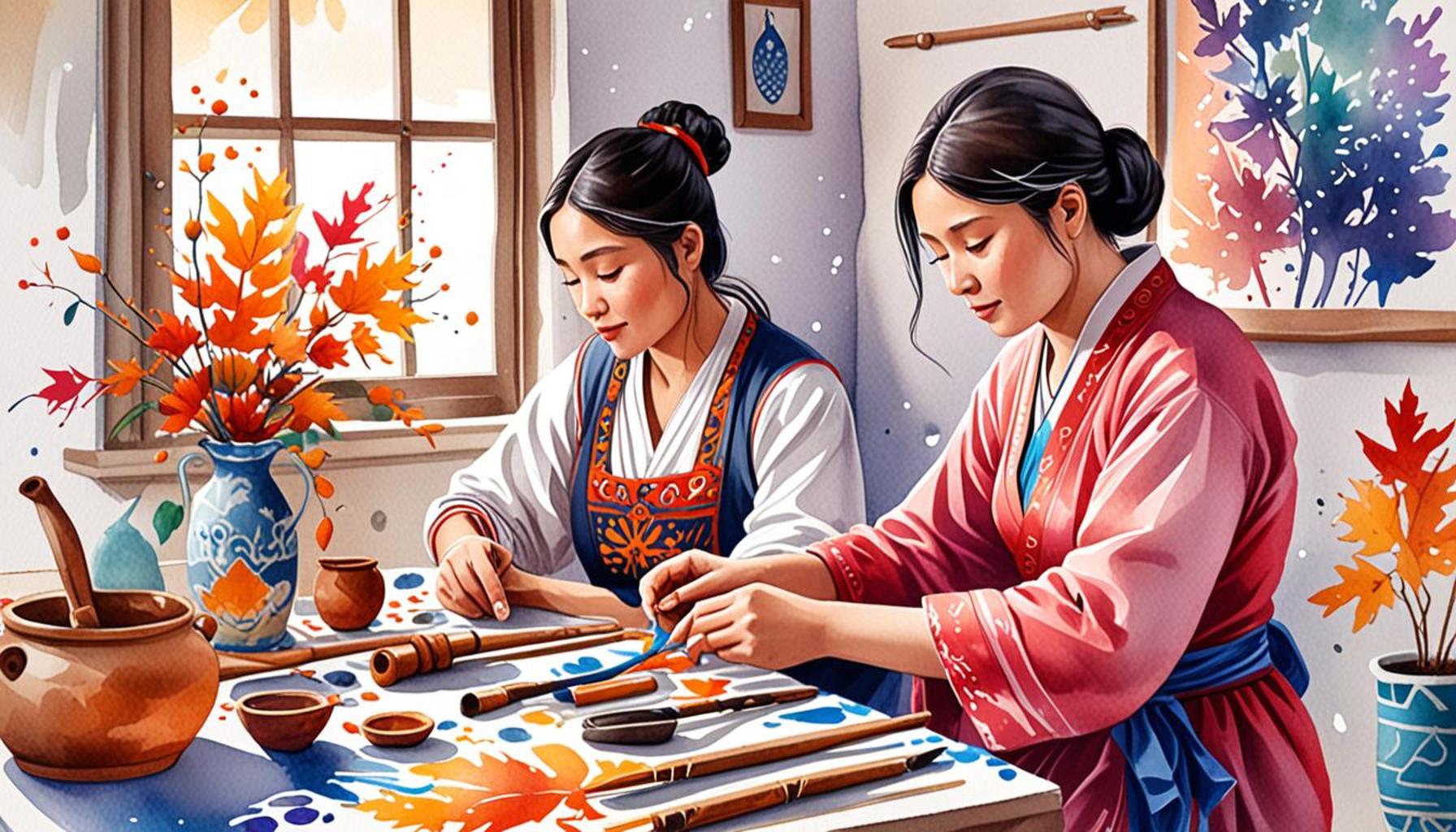
The Influence of Craft Skills on the Construction of Cultural and Personal Identity
The Influence of Craft Skills on Cultural Identity
Craft skills serve as a vital link between tradition and contemporary cultural expressions. They play a significant role in shaping both individual and collective identities, resonating deeply within specific community contexts. Understanding this dynamic can illuminate how craft shapes our interactions and perceptions of identity.
Key Contributions of Craft Skills
- Preservation of Heritage: Crafts often embody the artistic traditions of a particular culture, acting as a bridge to the past. For instance, in the Southwest United States, Navajo weaving preserves age-old techniques and designs that tell stories of the land and its people. These textiles are not merely functional but serve as symbols of identity, history, and pride, connecting generations through their intricate patterns and colors.
- Expression of Personal Identity: Practicing a craft allows individuals to convey their unique story and background. Through pottery, for example, artisans can express their personal narrative while simultaneously reflecting the cultural practices of their community. In the art of ceramics, the variations in glazing techniques might echo a potter’s familial lineage, making each piece a testament to one’s journey and roots.
- Community Connection: Craftsmanship fosters a sense of belonging, connecting artisans to their communities and traditions. For example, quilting bees in rural America not only produce beautiful quilts but also strengthen social ties, as members come together to share stories, laughter, and support. These gatherings celebrate cultural heritage while also nurturing interpersonal relationships, reinforcing a shared identity.
From Native American beadwork to the intricate quilts of the Appalachian Mountains, craft skills reflect cultural narratives. They contribute significantly to the way individuals perceive themselves and how they are viewed by others. As we delve deeper into the realm of craft, we uncover the profound effects these skills have on shaping cultural identities across the United States.
Exploration of Identity Through Craft
Craft skills not only influence cultural identity but also play a pivotal role in personal development. This interplay invites exploration into several important questions:
- How does mastering a craft impact self-esteem? Engaging in a craft can boost self-confidence, especially when individuals see tangible results from their efforts. The sense of accomplishment that comes from creating something unique can enhance personal identity and promote positive self-regard.
- In what ways can communal crafting sessions enhance social ties? Participating in group crafting activities, from pottery classes to knitting circles, creates a shared experience that fosters friendships and community spirit. These interactions can lead to long-lasting connections that enrich lives and create a supportive environment.
- Can craft skills adapt to reflect changing identities over time? As societal norms evolve, so too do the crafts associated with various identities. Modern artists often blend traditional techniques with contemporary themes, creating works that resonate with both their heritage and current social issues, thereby bridging past and present.
As we embark on this exploration, the intersection of craft, culture, and personal identity becomes increasingly fascinating. Understanding these connections opens pathways to appreciate the rich tapestry of human experience and highlights the enduring significance of craft skills in defining who we are as a collective society. Through this lens, we can better appreciate the role of artisanship in preserving history while simultaneously fostering innovation and personal growth.
DIVE DEEPER: Click here to discover the connection between nature and writing

The Role of Craft Skills in Identity Formation
The integration of craft skills into daily life offers a unique lens through which to explore the intricate relationship between culture and personal identity. In a rapidly globalizing world, these skills serve as a vital expression of both collective heritage and individual narratives. The craftsmanship embedded in our communities reveals not only artistic traditions but also the evolving identities shaped by social changes and personal aspirations.
Cultural Resonance in Craftsmanship
Craft skills are often steeped in cultural significance, acting as repositories of history and tradition. For instance, the art of basket weaving among the Gullah community in South Carolina not only reflects a unique technique but also preserves African roots and stories that have been passed down through generations. The process of weaving is an act of storytelling, each basket crafted meticulously serves as a symbol of resilience and cultural survival. This cultural resonance emphasizes how crafts become touchstones for community identity, invoking a sense of belonging that is vital in today’s fast-paced society.
Personal Narrative through Craft
While craft skills are deeply embedded in cultural heritage, they also provide a powerful medium for personal self-expression. Individual artisans often infuse their works with elements from their personal journeys, making each creation a testament to their lived experiences. For example, contemporary quilt makers may incorporate fabrics that represent significant milestones in their lives — pieces of clothing from loved ones or swatches that signify important events. Each stitch tells a story, weaving together individual and cultural identities into a cohesive narrative.
Fostering Community and Connection
Engaging in crafting activities also plays a crucial role in enhancing social ties within communities. The act of creating together — whether at pottery classes, knitting groups, or woodworking workshops — offers a platform for sharing experiences and building relationships. These communal crafting sessions provide a space for individuals to connect over shared interests, often leading to friendships that transcend cultural and generational boundaries. Some notable examples include community art projects in urban areas, where residents collaborate on large-scale murals that reflect local heritage and aspirations, fostering a sense of unity and pride.
Adapting to Changing Identities
As societal norms evolve, so do the craft skills associated with various identities. Many contemporary artisans are not merely preserving traditional methods; they are actively redefining them to respond to modern issues. For instance, Indigenous artists in the United States are increasingly incorporating contemporary themes, addressing topics such as environmental justice and social equity in their works. This blending of traditional techniques with modern narratives showcases the dynamic nature of craft as a reflection of personal and cultural identity in flux.
As we further investigate the relationship between craft skills and identity, it becomes clear that these practices are essential not only for cultural preservation but also for fostering personal growth and community connection. The intersection of craft, culture, and personal identity opens up a myriad of avenues for understanding who we are as individuals and as a collective society, reinforcing the idea that craft skills are more than mere hobbies; they are integral to our shared human experience.
| Category | Description |
|---|---|
| Cultural Connections | Craft skills anchor individuals to their cultural heritage through traditional techniques. |
| Personal Expression | Engaging in craft allows individuals to articulate their identity and experiences. |
| Community Building | Craft skills foster community ties and collaboration among artisans. |
| Sustainability | Traditional crafts can promote environmental sustainability through local materials. |
| Educational Value | Hands-on crafts enhance learning, teaching history and technique to future generations. |
Craft skills serve as a bridge between tradition and personal identity, allowing individuals to express their uniqueness while respecting cultural heritages. They create strong cultural connections, fostering a sense of belonging within communities. Furthermore, the art of crafting not only offers a personal outlet for expression but also enhances communal collaboration, bringing together artisans with shared values. The educational advantages of craftwork are undeniable; it engages learners in the rich history behind techniques, ensuring these meaningful skills are passed down through generations. Moreover, many of these crafts advocate for sustainability by utilizing local materials, reinforcing a commitment to environmentally conscious practices. As we delve deeper into how craft skills influence identity, opportunities for exploration abound, presenting the craft not just as a hobby, but as a foundational element of cultural narratives.
DIVE DEEPER: Click here to discover the therapeutic benefits of art</p
The Transformative Power of Craft Skills
The significance of craft skills extends beyond individual and cultural expression; they have the power to transform perceptions and reshape identities in profound ways. As society grapples with issues of authenticity and appropriation, the narrative surrounding craft becomes increasingly relevant. Understanding how craft can both empower individuals and reflect broader societal values is key to appreciating its role in personal and cultural identity formation.
Craft as a Tool for Empowerment
Many artisans leverage their craft skills as a means of empowerment. Women in particular have harnessed sewing, quilting, and other domestic crafts to assert their identities and roles in society. In recent years, there has been a revival of interest in textile arts among marginalized groups, allowing individuals to reclaim narratives that had previously been silenced. For instance, organizations like Women’s Studio Workshop in New York empower female artists through various crafts, fostering a sense of self-worth and community engagement among participants. By intertwining skill development with personal narratives, these programs encourage women to articulate their experiences through their art, further solidifying their identities within a broader cultural context.
Craft as a Reflection of Values
Craft skills also embody societal values and attitudes that evolve over time. One pertinent example can be found in the resurgence of interest in sustainable practices among artisans. Many crafters are not just creating functional items but are also addressing contemporary issues such as climate change and ethical sourcing. This shift towards eco-conscious craft reflects a growing cultural identity rooted in environmental awareness and social responsibility. Artisans who work with reclaimed materials or promote slow fashion practices are at the forefront of this movement, merging traditional skills with modern values to create works that resonate with conscientious consumers.
Artisanal Movements and Regional Identity
In the United States, artisanal movements have sparked a revival of local crafts that reflect regional identities. For instance, the craft beer movement has not only transformed the beverage industry but has also revived traditional brewing techniques that are specific to different regions across the U.S. Breweries such as Sierra Nevada in California and Brooklyn Brewery in New York embrace local ingredients and brewing methods, helping to foster a sense of community pride and regional identity. These artisanal practices serve as both a form of economic activity and a cultural reclamation, anchoring artisans to their locales while nurturing collective identities around shared tastes and experiences.
Global Connections through Local Craft
While craft skills are often rooted in local traditions, they simultaneously allow for global connections. Online platforms such as Instagram and Etsy have enabled artisans to share their work with an international audience, fostering cross-cultural exchanges and collaborations. This digital visibility allows artisans to showcase their local craft traditions while also drawing inspiration from global practices, creating a hybrid identity that reflects both personal stories and universal themes. For example, a ceramicist in New Mexico may incorporate influences from Japanese pottery techniques while reflecting their own cultural heritage, illustrating how craft can bridge cultural divides and foster understanding through shared artistry.
As crafting remains at the intersection of personal expression, cultural identity, and societal values, it is clear that its influence is profound and multi-faceted. Craft skills not only shape individual identities but also interweave with larger narratives of community, empowerment, and global connection, emphasizing their role as integral to the human experience in a diverse and changing world.
DIVE DEEPER: Click here to discover the evolution of children’s literature
Conclusion: The Enduring Impact of Craft Skills on Identity
In summation, the significance of craft skills transcends the simple act of creation; they serve as essential threads in the intricate tapestry of cultural and personal identity. From empowering marginalized artisans to reflecting evolving societal values, crafting embodies a form of expression that promotes not only individual narratives but also collective histories. The resurgence of local and sustainable practices illustrates how artisans can reclaim their roles in their communities while simultaneously addressing pressing global issues such as climate change and social justice.
The dynamic nature of craft fosters connections that bridge local traditions with global influences, allowing artisans to present hybrid identities that resonate on multiple levels. As seen with the artisanal movements across the United States, craft skills often ignite regional pride and imply a deeper sense of belonging, while the digital landscape opens up avenues for meaningful exchanges across cultures. Thus, craft not only revitalizes traditional skills but also fortifies cultural identity in an increasingly interconnected world.
Ultimately, the nuances of craftsmanship reveal its power to shape identities, challenge norms, and inspire dialogues, encouraging us to explore the stories behind the handmade items we often overlook. For those interested in the intersection of creativity, identity, and community, delving deeper into the world of crafting can uncover rich perspectives that are integral to understanding the diverse fabric of our society.