
The Intersection of Craftsmanship and Technology: Innovations that Enhance Manual Skills
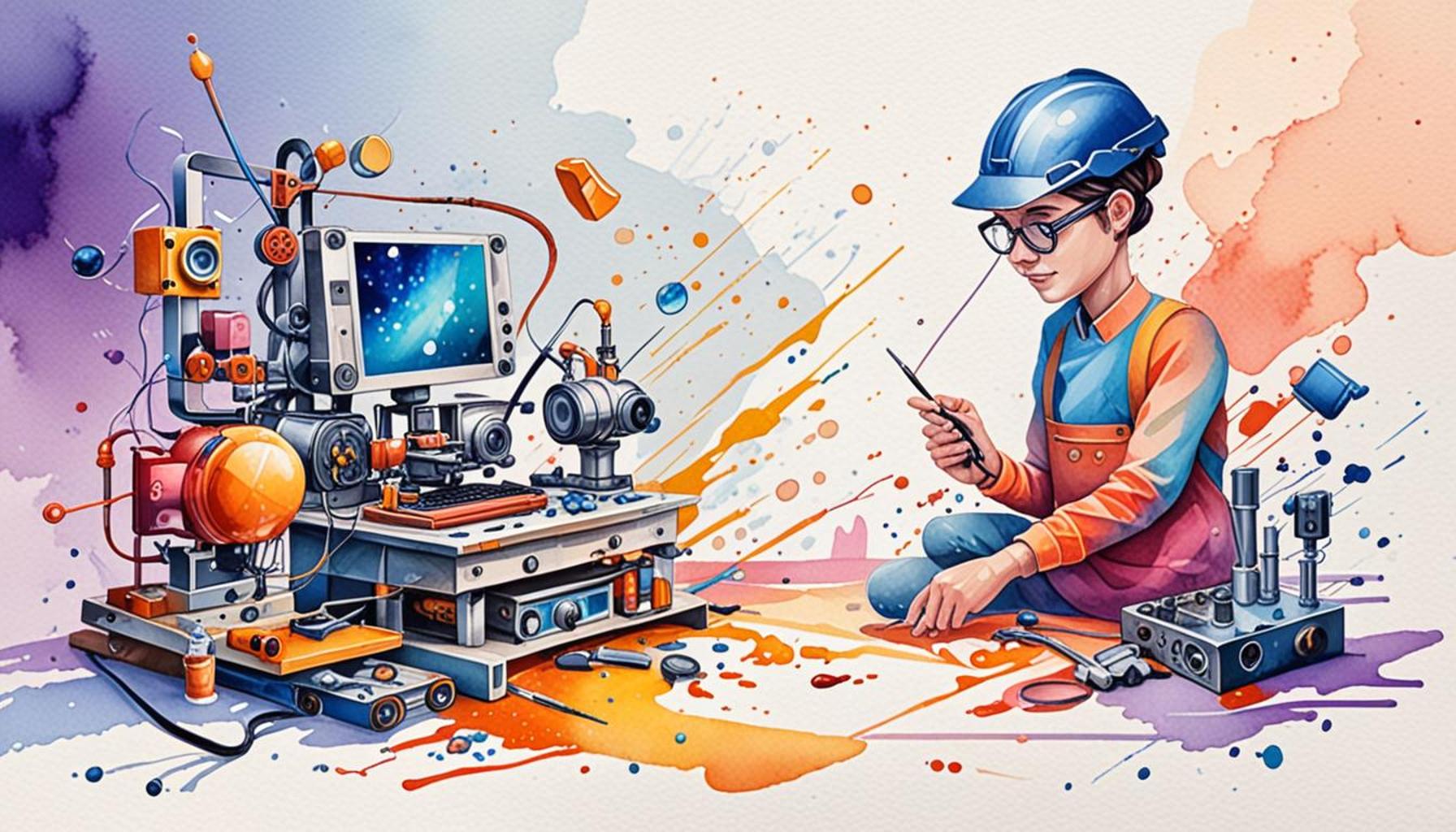
Embracing Change in Craftsmanship
The intersection of traditional craftsmanship and modern technology creates a fascinating narrative that redefines creativity and skill. Today’s artisans are not only preserving age-old practices but are also integrating technological advancements that amplify their work. The synergy of traditional methods with contemporary tools does not diminish the artistry involved; instead, it enhances it, breathing new life into established techniques and expanding the boundaries of what is possible in the world of crafting.
Key Areas of Innovation
Craftsmanship has evolved to a point where the hands of artisans are complemented—and sometimes even replaced—by advanced technology. Several key areas illustrate this revolutionary change:
- 3D Printing: This technology allows artists to produce complex and intricate designs that would have once taken countless hours to create by hand. For instance, a jewelry maker can experiment with designs and produce multiple prototypes quickly, leading to innovative pieces that reflect contemporary aesthetics while still paying homage to traditional forms.
- Smart Tools: Contemporary advancements include tools such as automated saws, laser cutters, and precision measuring devices. These innovations significantly enhance the efficiency, speed, and accuracy of the craftsmanship process. A woodworker in places like Pennsylvania can now use digital cutting techniques to make flawless joints that enhance the durability and beauty of their furniture.
- Virtual Reality: VR technology opens up realms of possibility by enabling craftspeople to immerse themselves in their creations before committing resources to physical materials. This capability allows for more thoughtful design processes, such as architects visualizing a new building layout or sculptors fine-tuning the details of their upcoming projects.
Such innovations prompt a critical inquiry into the future of manual skills. As technology progresses, it inspires a generation of creative minds who are not afraid to merge human artistry with digital tools, thus shaping a vibrant landscape where tradition and modernity coexist harmoniously.
The Promise of Integration
The United States boasts a diverse array of craftsmanship, from the intricate quilt-making traditions of the South to the robust pottery scene in California. This fusion of technology and tradition provides a platform for innovation while preserving cultural heritage. It not only secures the legacy of master artisans but also invites newcomers to experiment and contribute fresh perspectives.
As technology continues to infiltrate the realm of craftsmanship, it encourages a re-examination of how we view skill and artistry. Are we witnessing a dilution of traditional skills, or is this a necessary evolution that breathes new life into age-old crafts? By exploring how innovation and heritage work together, we gain a deeper understanding of the multifaceted nature of modern craftsmanship and its impact on our culture and economy.

Ultimately, this relationship paves the way for a new narrative in the crafting community—one that honors the past while embracing the future. It challenges us to rethink our definitions of skill and encourages ongoing exploration of what craftsmanship means in a rapidly changing world.
DIVE DEEPER: Click here to uncover inspiring stories
Redefining Craftsmanship through Advanced Technologies
As artisans navigate the evolving landscape of their respective crafts, they are experiencing a remarkable transformation driven by technological innovations. The increasing adoption of tools and methods that harness the power of technology has created opportunities for artisans across the United States to enhance their manual skills while also preserving the authenticity of their work. This intersection between craftsmanship and technology not only fosters creativity but also leads to significant improvements in efficiency, precision, and artistic expression.
Augmented Reality in Craft Design
One of the most exhilarating innovations reshaping craftsmanship is the use of augmented reality (AR) technology. This immersive technique allows artisans and designers to overlay digital elements in the real world, enabling them to visualize concepts before they materialize. For example, furniture makers can preview how a design will fit into a space, adjusting dimensions and aesthetics in real-time, which ultimately leads to more informed decision-making in the production process. This technology allows artisans to experiment with colors, textures, and forms with ease, reducing the likelihood of costly mistakes and wasted materials.
Digital Fabrication Techniques
The advent of digital fabrication techniques, such as CNC (Computer Numerical Control) machining, is revolutionizing how materials are shaped and formed. CNC machines enable craftsmen—including metalworkers and woodworkers—to execute highly intricate designs with a level of accuracy unattainable through traditional hand methods alone. Artisans working with metals can create detailed engravings or cut complex shapes in a fraction of the time, while woodworkers can design custom cabinetry that showcases both modern sensibilities and functional elegance. In states like Massachusetts and North Carolina, where craft traditions run deep, the marriage of CNC technology with local wood species has led to a renaissance in custom furniture that marries heritage with innovation.
The Role of Online Platforms in Skill Development
In addition to cutting-edge tools, access to educational resources on online platforms is transforming the way aspiring artisans look to hone their skills in various crafts. Websites, YouTube channels, and social media have democratized access to knowledge, allowing artisans from all backgrounds to engage with tutorials and best practices shared by experienced craftsmen. This virtual mentorship system enables students and hobbyists to bridge the gap between traditional techniques and modern innovations seamlessly. Notably, platforms dedicated to crafts—from pottery to woodworking—help form communities where individuals can gather, discuss techniques, share successes, and overcome challenges.
- Enhanced Creativity: By incorporating technology into their work, artisans can push creative boundaries and explore new avenues for artistic expression.
- Increased Accessibility: Online learning resources and technological tools reduce barriers, making it easier for newcomers to enter the world of craftsmanship.
- Efficiency and Precision: Advanced tools enable artisans to produce work with intricate designs and patterns that offer high levels of detail.
The exploration of craftsmanship through the lens of technology showcases an exciting time for artisans across the United States. As innovators redefine traditional practices, they open the door for a shift in cultural perceptions surrounding manual skills. This dynamic environment fosters collaboration and creativity, allowing craftsmanship to blend the best of both worlds—the mastery of hands-on skills with the limitless possibilities offered by technology.
| Innovation | Benefits |
|---|---|
| Digital Fabrication Tools | Promote precision and efficiency in traditional crafting methods. |
| Augmented Reality (AR) Applications | Enhance learning experiences by providing interactive and visual instructions. |
| Robotics in Crafting | Enable artisans to push the boundaries of creativity and scale production. |
| 3D Printing | Revolutionizes custom design, allowing for unique, handcrafted products. |
The intertwining of craftsmanship and technology presents remarkable innovations that significantly enhance manual skills. Tools like digital fabrication have transformed traditional techniques by ensuring precision and efficiency throughout the crafting process. Meanwhile, applications leveraging augmented reality (AR) provide users with dynamic learning environments, enabling them to grasp complex techniques through visual and interactive instruction. The advent of robotics in crafting spaces has also paved the way for artisans to explore and push their creative boundaries, leading to new forms of artistic expression. Furthermore, 3D printing technology has revolutionized product design by granting creators the ability to produce unique, personalized items that champion the importance of quality and individuality in their crafts. These innovations not only broaden the horizons for crafters but also encourage a dialogue between traditional artistry and contemporary technological advancements.
DISCOVER MORE: Click here to dive into the art of culinary photography
Transformative Impacts of 3D Printing on Craftsmanship
Among the myriad technological advancements reshaping the landscape of craftsmanship, 3D printing stands out as a game changer. This cutting-edge technology allows artisans to create complex structures and designs with unprecedented speed and accuracy. In fields such as jewelry making and ceramics, artisans can now produce intricate pieces that were once difficult, if not impossible, to achieve by traditional means. For example, jewelers can design customized engagement rings tailored to unique preferences, while ceramicists can fabricate unique molds to produce artistic shapes that enhance their expression. With 3D printing, the ability to iterate designs quickly has also fostered an environment of continual innovation, as artists constantly experiment and refine their creations.
Smart Tools: Wearable Technology in Craftwork
The ongoing integration of wearable technology into craftsmanship is another exciting development. Wearables such as augmented reality glasses and smart gloves aid artisans in enhancing their skills and improving precision. For example, augmented reality can overlay guides and measurements onto the workspace, directing craftsmen as they create intricate wood carvings or assemble complex models. Meanwhile, smart gloves equipped with haptic feedback technology provide artisans with real-time corrections and suggestions regarding grip and pressure, ensuring that delicate tasks are completed flawlessly. From bakers to sculptors, the smart tools available today are ushering in a new era of enhanced control, transforming how artisans engage with their crafts.
Innovations in Sustainable Craft Practices
As environmental consciousness rises, technological innovations are also contributing to more sustainable craftsmanship. Advanced technologies such as laser cutting and eco-friendly fabrication methods allow artisans to minimize waste generated during the crafting process. For instance, a woodworker utilizing laser cutting can achieve precise cuts that yield minimal leftover material, thereby promoting sustainable practices. Furthermore, tools that monitor energy usage during production are becoming commonplace, enabling artisans to maintain environmentally friendly practices without sacrificing quality or aesthetics. In California, many artisans are embracing these innovations to build furniture and décor from reclaimed materials, showcasing a marriage of sustainability with traditional artisan techniques.
Community Engagement through Virtual Reality
An ever-growing dimension in the intersection of technology and craftsmanship is the ability of artisans to engage with their audiences through virtual reality (VR). This medium allows artisans to offer immersive workshops and demonstrations to audiences worldwide, breaking geographical barriers. For instance, artists specializing in pottery can create virtual classes where participants can throw clay in a simulated environment, facilitating hands-on learning without the need for physical travel. This technological advancement is not only broadening the reach of artisanal skills but also nurturing a global community of craft enthusiasts who share insights, techniques, and inspiration.
- Dynamic Customization: 3D printing and advanced fabrication techniques enable unique, bespoke creations tailored to individual preferences.
- Enhanced Precision: Wearable technologies provide artisans with real-time feedback, leading to higher accuracy and improved craftsmanship.
- Sustainable Innovations: Modern crafting tools reduce waste and promote eco-friendly practices, aligning craftsmanship with environmental values.
The embrace of technological innovations within craftsmanship not only enhances manual skills but creates a vibrant dialogue between tradition and modernity. As artisans thrive by blending age-old techniques with state-of-the-art tools, the craft becomes more inclusive, sustainable, and dynamic, inspiring new generations to take up the mantle of craftsmanship infused with technological prowess.
DISCOVER MORE: Click here to delve into the evolution of culinary techniques
Conclusion: Bridging Craftsmanship and Technology
In an era where craftsmanship and technology coexist and collaborate, artisans are reimagining the boundaries of creativity and skill. The revolutionary impact of innovations like 3D printing, wearable technology, and laser cutting has transformed traditional practices, enabling artisans to produce intricate, customized works more efficiently while adhering to sustainable operations. These advancements not only elevate the precision and quality of manual skills but also cultivate an ecosystem where tradition and modernity can thrive in harmony.
Furthermore, the advent of virtual reality is reshaping how artisans engage with their audiences, fostering a vibrant global community that cherishes and shares craftsmanship while breaking geographical barriers. As we witness this convergence, we are not just observers but participants in a cultural renaissance—one that encourages advocacy for sustainable practices and celebrates innovation through collaboration.
Looking ahead, it is crucial for artisans, technologists, and enthusiasts to continue exploring this intersection, challenging conventional norms that govern craftsmanship. From enhancing the artisanal experience to promoting sustainability, the future holds endless possibilities shaped by these synergistic relationships. As more individuals embrace this harmonious blend of art and technology, the craft landscape will evolve, inspiring new generations to pursue creativity that honors the past while boldly stepping into the future.