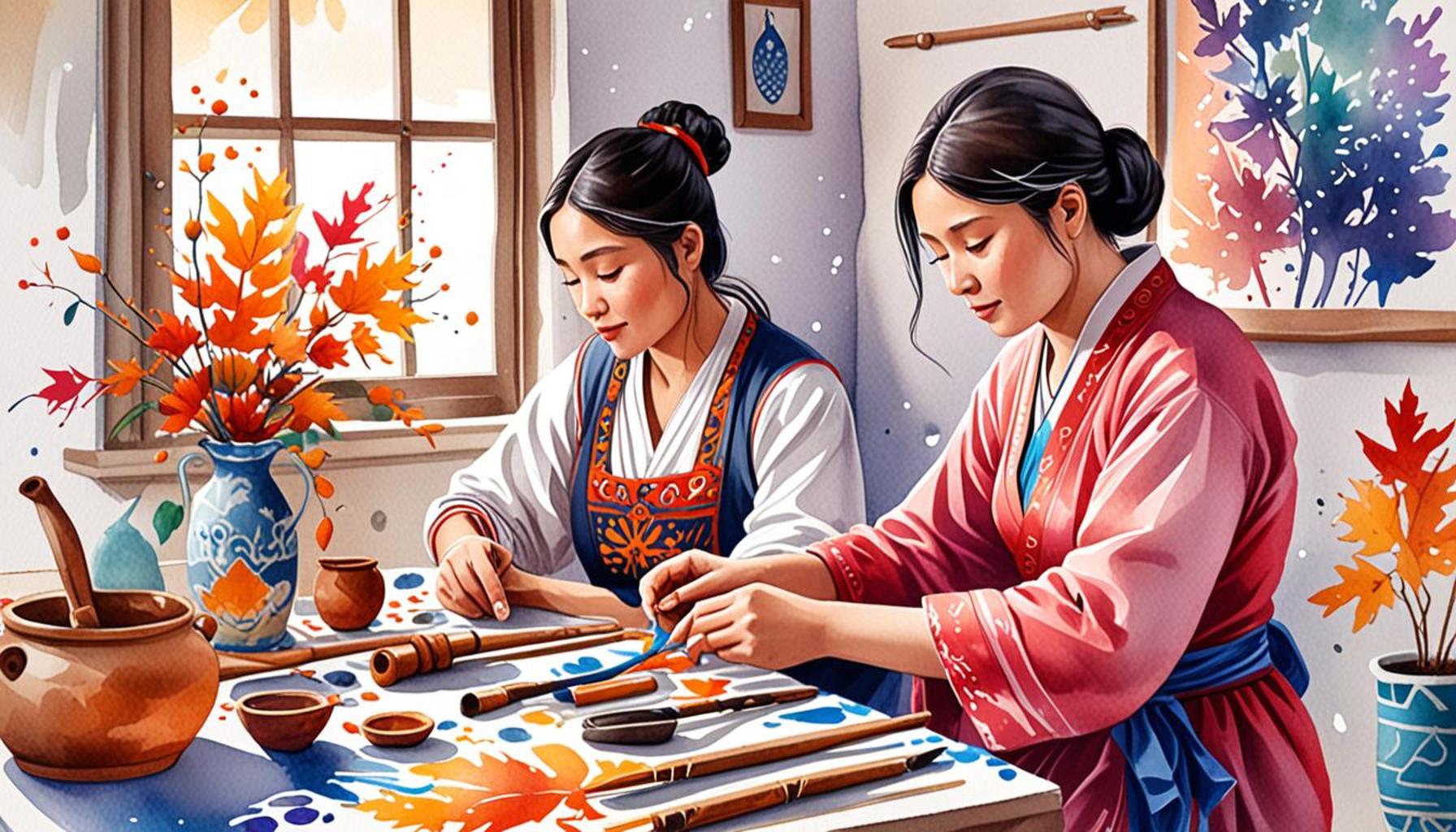
Craftsmanship as a Tool for Empowerment: Stories of Artisans Who Transformed Their Lives Through Hand Skills

Empowerment Through Craftsmanship
Across the United States, countless artisans are defying the odds, transforming their lives through the power of hand skills. Craftsmanship serves as a vital tool for empowerment, offering individuals a pathway to economic independence and personal growth. The stories of these skilled crafters illustrate not only their talent but also their resilience in the face of adversity, showcasing how handmade creations foster both personal fulfillment and community engagement.
Through stories of resilience and creativity, we discover:
- Economic Opportunities: Many artisans turn their passions into sustainable businesses. A prime example is the rise of local farmers’ markets, where artisans sell homemade goods ranging from organic skincare products to artisanal foods. By creating a brand and leveraging social media, these craftsmen are often able to reach a broader audience, significantly boosting their sales and visibility.
- Skills Development: Hand skills provide a platform for learning and self-improvement. Workshops and craft classes have proliferated in cities across America, allowing beginners to hone their skills in areas such as pottery, woodworking, and textile arts. These experiences foster creativity and often unlock hidden talents that individuals didn’t realize they possessed.
- Community Building: Craftsmanship fosters connections among artisans, promoting collaboration and support. Networking events and craft fairs allow local artisans to come together, share resources, and forge partnerships. This shared camaraderie enhances the collective knowledge within the community and encourages budding artisans to engage with established professionals for mentorship.
Artisans from diverse backgrounds harness their unique talents to create exceptional products, ranging from handcrafted jewelry to intricate woodworking. A woodworker in Oregon might produce stunning pieces of furniture that reflect the local landscape, while a jewelry maker in New Mexico might draw inspiration from the vibrant culture and natural beauty of their surroundings. These skilled individuals exemplify the spirit of innovation, often revitalizing local economies in the process.
As we delve into their inspiring journeys, we will uncover not only the challenges they faced, such as sourcing materials or navigating market competition, but also the transformative impact of their crafts. Stories of persistence emerge, revealing how artisans overcame obstacles to establish themselves within their communities. The narratives of these artisans will spark curiosity and ignite a desire to explore the world of craftsmanship further, encouraging others to tap into their creative potential and perhaps embark on their own artisan journeys.
DISCOVER MORE: Click here to uncover inspiring stories
The Journey of Inspiration and Transformation
Artisans across the United States illustrate an extraordinary journey that transcends mere hobby or pastime. Their stories are rooted in the idea that craftsmanship is not just about creating beautiful objects; it is about empowerment, resourcefulness, and resilience. For many, honing hand skills serves as a catalyst for personal and professional transformation, turning passions into viable livelihoods. These artisans are redefining the economic landscape, blending talent with entrepreneurship to create a myriad of opportunities.
Take the example of a talented ceramicist in Austin, Texas, whose journey began in a modest studio during her college years. After facing job market challenges post-graduation, she decided to pivot from a corporate job to a business fueled by her love for pottery. Through dedication and community support, she transformed her craft into a successful venture. Today, she not only sells her unique creations online but also conducts workshops, empowering others to embrace their creativity and skills. Her story is just one among many that exemplifies how craftsmanship can ignite a powerful change.
Artisans often share common themes in their narratives, which highlight the multifaceted benefits of embracing hand skills:
- Economic Independence: Many craftsmen create successful businesses from their passions. As seen in the rise of artisan markets, makers are discovering lucrative avenues to market their handmade goods, allowing them to achieve economic self-sufficiency. This independence often translates into the ability to invest back into their craft and communities.
- Personal Growth: Engaging in craftsmanship fosters not just skill development but also personal and emotional growth. Artisans frequently report feelings of accomplishment and confidence as they refine their techniques, encouraging them to explore even broader horizons in their creative journeys.
- Connection to Heritage: For some artisans, craftsmanship offers a connection to cultural identity and heritage. Crafting traditional items, such as quilts in Appalachia or Native American beadwork in the Southwest, allows individuals to preserve their cultural narratives while sharing them with new audiences.
The scope of art and skills ranges widely, reflecting the rich tapestry of American culture. From handcrafted leather goods in Montana to artisanal soaps in California, these artisans are redefining their futures one creation at a time. The varied products created from unique materials reflect not only the artisans’ talents but also their commitment to sustainable practices. Those who prioritize eco-friendly methods often draw customers who value environmental responsibility, further enhancing their market appeal.
As we further explore the lives of these artisans, we will uncover the intricate interplay between creativity and commerce. The struggles faced, whether related to accessing quality materials or competing in a saturated market, highlight their unyielding spirit and drive. The narratives shared here shed light on the transformative power of craftsmanship, serving as a beacon of hope and inspiration for aspiring artisans. These stories not only showcase resilience; they ignite a shared passion for craftsmanship that can motivate others to embark on their artistic endeavors.
| Advantages of Craftsmanship | Impact on Artisans’ Lives |
|---|---|
| Skill Development | Enhances overall productivity and creativity. |
| Economic Independence | Allows artisans to earn a sustainable income, breaking the cycle of poverty. |
| Cultural Preservation | Promotes traditional skills and techniques, fostering community identity. |
| Empowerment | Gives artisans a voice and the confidence to drive social change. |
Craftsmanship serves as a transformative tool for many artisans, empowering them to rediscover their potential and enhance their communities. By focusing on skill development, artisans not only refine their craft but also unleash their innate creativity, leading to increased productivity. This effort contributes to economic independence, as artisans often shift from precarious subsistence to a sustainable income, allowing them to support their families and invest in their futures.Additionally, artisans play a key role in cultural preservation. By passing down traditional techniques, they foster a sense of community and identity within their regions, ensuring that unique crafts remain alive for generations. This crafting journey naturally leads to empowerment. As artisans master their skills, they gain confidence, transforming into advocates for social change, thus inspiring others within their communities to explore hand skills as a means for a better life.As we delve further into the stories of these remarkable individuals, we uncover how their dedication and artistry not only redefine their existence but also profoundly impact the world around them.
DISCOVER MORE: Click here to dive into the world of culinary fashion
Navigating Challenges: The Art of Resilience
The journey of an artisan is seldom a linear path; it is often filled with challenges that require creativity, adaptability, and an unwavering commitment to their craft. These artisans face various hurdles, from sourcing high-quality materials to standing out in a competitive marketplace, and how they navigate these obstacles can be as inspiring as their victories.
Consider the case of a collective of furniture makers in North Carolina, where artisans faced significant challenges due to rising costs of raw materials and economic fluctuations. Instead of succumbing to these obstacles, they collaborated to pool resources for bulk purchasing, effectively reducing costs without sacrificing quality. This cooperative approach not only improved their profit margins but also fostered a sense of community engagement and shared purpose. Many artisans report that collaboration has become a vital aspect of their business strategy, enabling them to learn from one another while building a support network that is essential in facing both personal and market difficulties.
Moreover, the shift towards sustainable and ethical craftsmanship has opened new avenues for empowerment. Many artisans are embracing eco-conscious practices, sourcing materials locally and utilizing recycled products to create their works. This not only resonates with a growing consumer demographic that values sustainability but also creates a deeper connection between the artisan and their community. For instance, a textile artist in Oregon uses reclaimed fabric scraps to craft stylish and environmentally friendly handbags. Her commitment to sustainability not only enhances her brand but also inspires her clients and fellow creators to reconsider their consumption habits.
In addition to economic and environmental challenges, artisans often grapple with the mental and emotional aspects of pursuing their craft. The journey is rife with moments of self-doubt and financial strain, particularly for those just starting or who rely solely on their artistic endeavors. A glassblower from Vermont recalls feeling overwhelmed as she tried to balance her passion for blowing glass with her need to support her family. Realizing she needed to shift her perspective, she began to view her artistry as a vital part of her identity, a reflective ethos that permeates her work. She found strength through community support systems, exchanging experiences with other local artisans, which ultimately cultivated a sense of belonging and purpose. These moments of vulnerability serve as potent reminders that the pursuit of craftsmanship is as much about personal growth as it is about creating a business.
The reach of craftsmanship extends far beyond the artisan’s studio. By participating in craft fairs, online artisan marketplaces, or even social media platforms, artisans are not only selling their work but also engaging with a wider audience. The success of makers on platforms like Etsy provides a glimpse into how artisans maximize opportunities in the digital age, allowing their stories and talents to gain traction far beyond local communities. This digital exposure amplifies their journey and fosters relationships with customers who appreciate the artistry and passion behind each piece.
In examining these intersecting narratives—economic independence, communal collaboration, and sustainability—it becomes evident that craftsmanship is a profound vehicle for empowerment. As artisans embrace their creativity amidst adversity, they are inspiring a movement that goes beyond mere transactions; it is about building a legacy of resilience and hope. These stories illustrate that through craftsmanship, individuals can reclaim their narratives, empower their communities, and redefine success on their terms.
DISCOVER MORE: Click here to learn how music can boost self-confidence in adolescents
Conclusion: Craftsmanship as a Catalyst for Change
In conclusion, the transformative power of craftsmanship as a tool for empowerment cannot be overstated. The narratives of artisans across the United States reveal a tapestry woven with resilience, collaboration, and a steadfast commitment to their craft. From furniture makers in North Carolina who band together to overcome economic hurdles to textile artists in Oregon prioritizing sustainability, these stories illustrate a profound truth: artisanship is not solely about creating products; it is about reshaping lives and communities.
Through ingenuity and determination, artisans are redefining traditional notions of success, prioritizing not just financial gain but also personal growth and community connection. The shift towards sustainable practices further elevates their artistry, as it resonates with a growing consumer base that values ethical production. This conscious approach cultivates not only a loyal customer following but also inspires broader societal change, pushing for more sustainable consumption patterns.
Moreover, the benefits of craftsmanship extend beyond the studio, empowering artisans to build networks and platforms for sharing their stories and connecting with a wider audience. As digital spaces continue to flourish, artisans now have unprecedented opportunities to showcase their work, garner support, and even educate others about the value of handmade products. This ripple effect fosters a culture of empowerment that transcends individual artisans, impacting entire communities.
Ultimately, by championing their unique skills, artisans are leading a movement that celebrates the rich heritage of hand-crafted goods. It presents a new lens through which we can appreciate the art of making, encouraging us all to reconsider our relationship with art, craft, and each other. As we explore these stories, it is evident that the journey of craftsmanship is indeed a powerful narrative of self-discovery, empowerment, and hope for a brighter future.