The Role of Visual Narrative in Literary Creation: Uniting Words and Images

The Fusion of Words and Images in Modern Literature
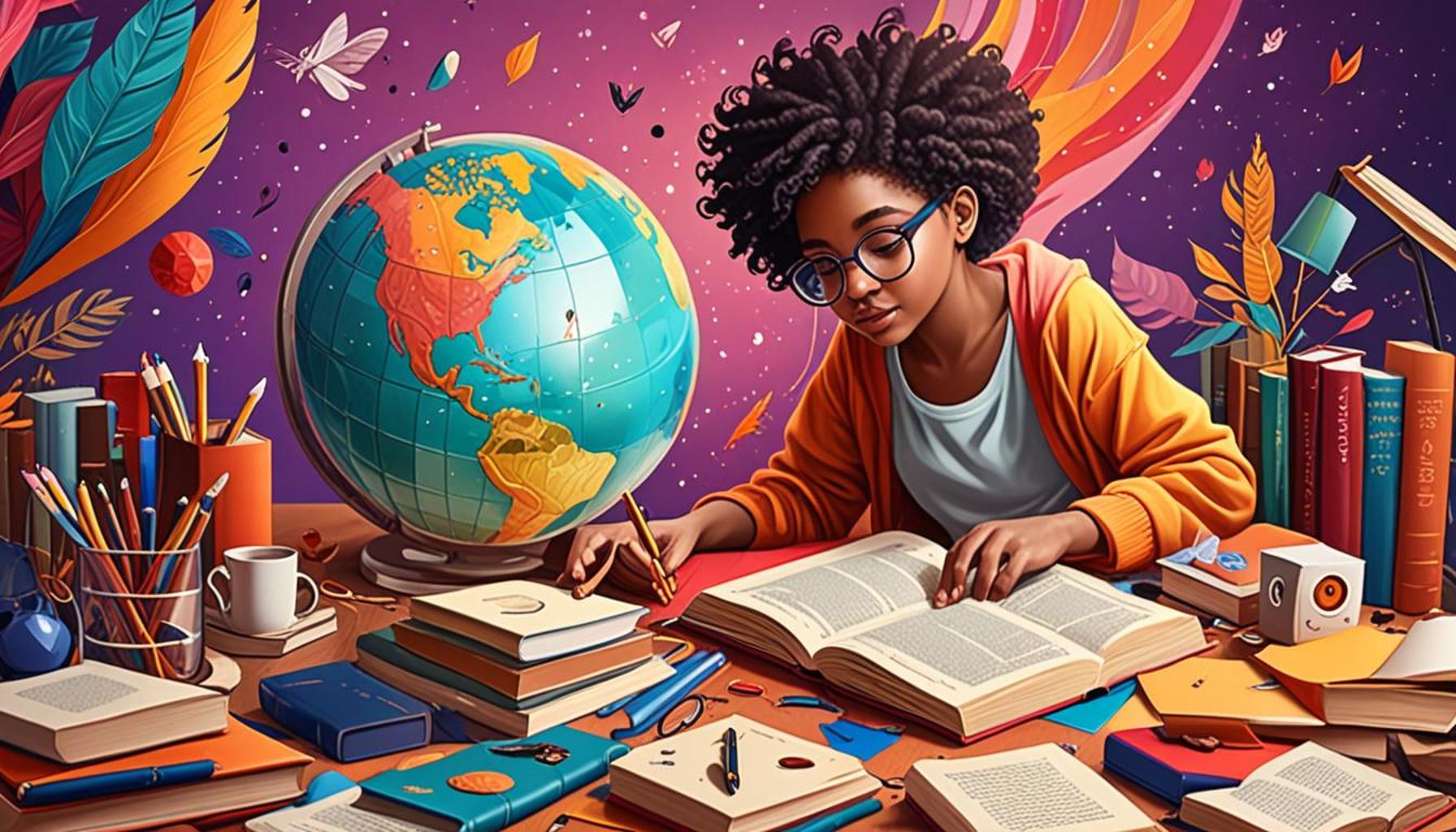
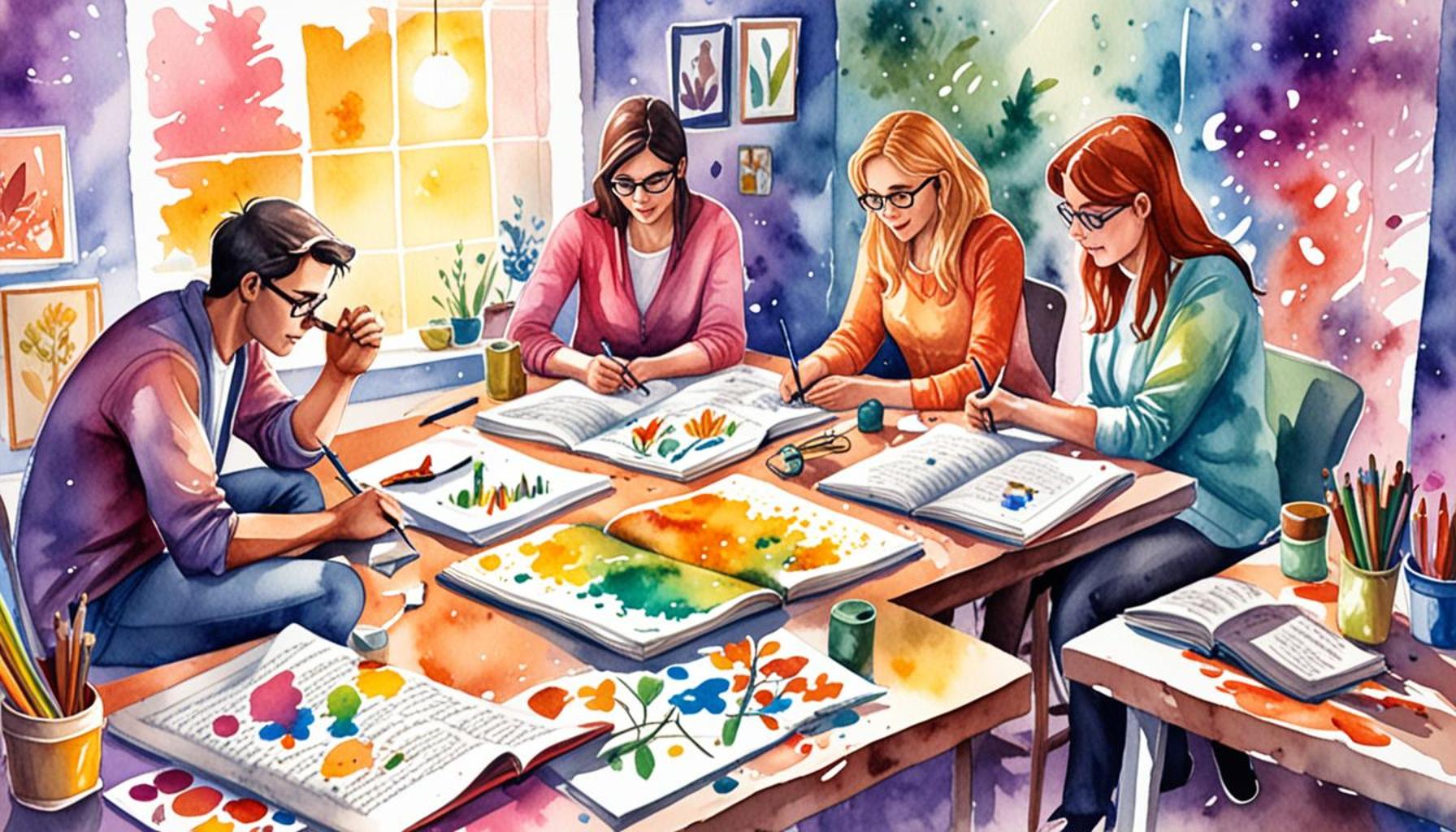
In an era where digital technology and varied media channels dominate our daily experiences, the convergence of literature and visual imagery has emerged as a compelling narrative strategy. This fusion, often termed visual storytelling, has transformed how stories are told and received, enriching the reading experience and reaching broader audiences.
The Power of Visual Elements
The strategic use of visual elements within text can amplify a reader’s engagement and understanding in several impactful ways:
- Engagement: Images capture attention, breaking the monotony of text-heavy pages. For instance, an evocative photograph or a well-crafted illustration can pull readers into the world created by the author, making them feel more intimately connected to the narrative.
- Interpretation: Visuals can serve as a lens through which readers interpret complex themes or emotions. An illustration of a character’s internal struggle can convey a depth that words alone may not effectively communicate, allowing for a richer understanding of the narrative.
- Memory: The dual engagement of visual and textual information aids in retention. Studies suggest that readers may find it easier to recall stories where the text is complemented by imagery, as seeing evokes sensory memories, making the experience more memorable.
Illustrative storytelling is not confined to graphic novels or children’s literature; it spans various genres, showcasing how a blend of visuals and prose can elevate the reading experience. Renowned examples from American literature demonstrate this integration:
- The enchanting illustrations of Chris Van Allsburg in “The Polar Express” transport readers to a magical realm where the narratives are as much about the visuals as they are about the text.
- The unique visual formatting techniques employed by David Foster Wallace in “Infinite Jest” reflect the complexity of the themes, offering an innovative reading experience that challenges traditional narrative forms.
- The poignant visual storytelling found in Art Spiegelman‘s “Maus” not only conveys the harrowing experiences of the Holocaust but also utilizes stark imagery to symbolize deeper human emotions and societal commentary.
As the literary landscape continues to evolve, the significant role of visual narrative in creative writing becomes increasingly clear. This exploration invites authors to consider new methodologies, merging text with images to enhance storytelling’s richness. For readers, it offers an opportunity to engage with literature on multiple levels, creating a more immersive and impactful experience. As this trend gains momentum, it prompts a re-examination of how stories can be crafted, allowing for innovation and creativity that reflects the complex tapestry of modern life.
DISCOVER MORE: Click here to dive deeper
Transforming the Reading Experience Through Visual Narrative
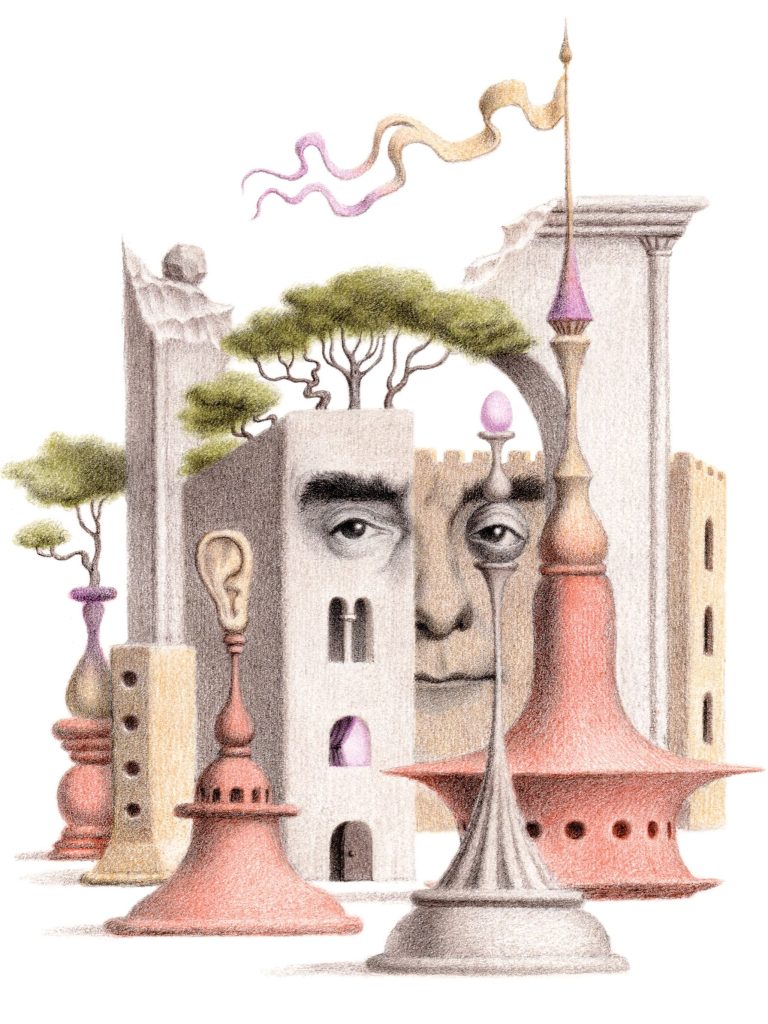
The integration of visual narrative elements into literary works has not merely added aesthetic value; it has fundamentally altered how stories are told and experienced. In a society increasingly inundated with visual stimuli, readers now expect a dynamic interplay between text and imagery. This expectation propels authors to innovate and adapt their storytelling techniques to engage contemporary audiences effectively. A closer examination of the mechanics behind visual narratives reveals several critical factors contributing to their growing prominence in literature.
Reading in the Digital Age
As technology reshapes how readers consume literature, the advent of e-books and digital publishing has made visual integration more accessible and varied. Many digital platforms support enhanced designs, allowing authors to incorporate interactive visuals that can transform static reading into immersive experiences. For instance, the inclusion of animated illustrations or interactive maps can serve as a powerful complement to the textual narrative, guiding readers through intricate plots or complex settings.
- Interactivity: Readers can engage with stories on a more tactile level through digital formats. This interactivity encourages exploration and allows readers to delve deeper into the narrative framework.
- Cross-Media Influences: The influence of visual media—such as television, film, and gaming—has prompted authors to consider the cinematic qualities of their narratives. This blending often results in a rich tapestry of storytelling that draws upon various forms of artistic expression.
- Cultural Relevance: As visual culture continues to dominate social media and entertainment platforms, literature that employs visual storytelling often resonates more powerfully with a younger audience. This demographic, familiar with fast-paced and image-driven content, may find traditional prose less engaging, creating a demand for innovative narrative forms.
Moreover, the effectiveness of visual narratives lies in their ability to encapsulate and convey complex ideas succinctly. The adage “a picture is worth a thousand words” holds particular significance in literary creation. When images are strategically placed alongside textual content, they can encapsulate emotions or themes that might otherwise require extensive explanation.
Examples of Effective Visual Storytelling
Literary works that exemplify successful visual narratives provide insight into the various methods authors employ to unite words and images effectively. The extraordinary partnership of illustrators and authors can enhance both character development and world-building, fostering a holistic understanding of the narrative. Notably:
- “The Arrival” by Shaun Tan: This wordless graphic novel uses stunning illustrations to explore themes of immigration and displacement, creating a profound emotional connection without relying on traditional text.
- “Building Stories” by Chris Ware: This complex, multi-format work exemplifies how visual elements can guide readers through fragmented narratives, blurring the line between literature and visual art.
- “S.” by J.J. Abram and Doug Dorst: This innovative book combines a novel with margin notes and supplementary materials, creating a layered storytelling experience that physicalizes the interaction between text and imagery.
As these examples illustrate, the role of visual narratives in literary creation is not merely an embellishment; it is a transformative force that reshapes our understanding of storytelling. This evolution beckons both readers and writers to embrace the multidimensional nature of narratives, leading to creative possibilities that echo the complexities of today’s world.
The Impact of Visual Elements in Modern Literature
In today’s literary landscape, the integration of visual narrative into storytelling has transcended traditional boundaries, enabling authors to create immersive experiences for readers. This convergence not only complements the textual narrative but also enhances thematic depth and emotional resonance. For example, graphic novels and hybrid texts combine illustrations with prose to bring characters and settings to life in ways that words alone cannot achieve. Moreover, visual storytelling facilitates accessibility, allowing a broader audience to engage with complex narratives. By incorporating infographics, illustrations, or photographs, authors capture the attention of diverse readers, including those who may struggle with traditional texts. The result is a dynamic interplay between visual and verbal cues that enriches the reader’s imagination and understanding.
Case Studies of Successful Visual Narratives
Several authors and artists have embraced this approach, producing work that exemplifies the power of combining images and text. Notable examples include Shaun Tan’s “The Arrival,” a picture book that depicts the immigrant experience through stunning illustrations, allowing readers to delve into the emotional weight of displacement without relying solely on words. Similarly, Matt Madden’s “99 Ways to Tell a Story” illustrates various storytelling techniques, showcasing how visual formats can convey different meanings and emotions.As writers explore ways to merge visuals with text, the future of storytelling appears bright, with possibilities for innovative narratives expanding endlessly. The marriage of imagery and literature is not merely a trend but a vital evolution, pushing the boundaries of creativity in literary creation. Each new work serves as a testament to the profound impact visual narratives can have on our understanding of the written word, inviting readers to engage in a richer experience.
| Category | Key Features |
|---|---|
| Visual Narrative Techniques | Combining text with imagery to enhance storytelling. |
| Accessibility and Engagement | Makes literature appealing to a wider audience, including visual learners. |
DISCOVER MORE: Click here to learn how digital platforms are changing the music scene.
Expanding Horizons: The Cultural Significance of Visual Narratives
The cultural landscape in which literature exists is not static; it continually evolves to respond to broader societal shifts. As visual narratives proliferate within the literary sphere, their significance extends beyond mere storytelling techniques, impacting cultural discourse and identity. By connecting deeply with readers’ experiences, visual narratives have the potential to challenge traditional norms, push boundaries, and foster inclusivity within literature.
Visual Narratives as a Reflection of Diversity
One of the most compelling aspects of visual narratives is their ability to represent diverse voices and experiences. Images can bridge cultural gaps, making complex narratives more relatable and accessible to a broader audience. In a literary context where diversity is increasingly prioritized, visual elements play a crucial role in enhancing representation and fostering empathy.
- Illustrating Identity: Graphic novels and illustrated stories provide a platform for marginalized voices to share their narratives. Works such as “American Born Chinese” by Gene Luen Yang not only depict the immigrant experience but also unravel the subtleties of cultural identity through vibrant illustrations that resonate with young readers.
- Cross-Cultural Dialogues: Books like “Persepolis” by Marjane Satrapi successfully merge text and imagery to convey complex sociopolitical themes, encouraging conversations around cultural understanding and global issues. The visual narrative approach invites readers to engage with difficult subjects in an approachable manner.
- Social Justice Movements: Visual storytelling has become instrumental in movements such as Black Lives Matter. Illustrated booklets, zines, and graphic essays amplify messages advocating for equality and justice, merging activism with art in a way that captures attention and drives home critical issues.
By placing diverse narratives at the forefront, authors can foster a richer understanding of cultural nuance, offering readers the opportunity to engage with a spectrum of human experiences. This is particularly significant in a melting pot like the United States, where a multitude of voices strive to be heard.
The Impact of Visual Literacy
As visual storytelling becomes more prevalent, developing visual literacy emerges as a vital skill for contemporary readers. Understanding and analyzing images in conjunction with text enhances readers’ critical thinking and analytical abilities. This dual approach empowers readers to decode meaning and interpretation on a multidimensional level.
- Critical Engagement: Readers are encouraged to look beyond the surface of images, making connections between visual elements and overarching themes in the work. This practice cultivates critical engagement, prompting questions about social constructs, artistic choices, and narrative structure.
- Fostering Creativity: Exposure to visual narratives can inspire aspiring writers and artists to experiment with their own storytelling techniques. The blending of artistic expressions emboldens individuals to explore new formats that resonate with their unique creative voices.
- Educational Implications: Educators are increasingly recognizing the value of incorporating visual narratives into curricula. By integrating graphic novels and illustrated texts into lessons, teachers can engage students who may struggle with traditional texts, creating a more inclusive learning environment.
The confluence of words and images in literature garners profound respect, as it reframes narratives in ways that are culturally relevant and reflective of the modern experience. As readers navigate this evolving landscape, they are invited to explore the intricate relationship between texts and visuals—a junction where creativity flourishes, identities are articulated, and cultural dialogues are catalyzed.
DIVE DEEPER: Click here to uncover the healing power of art
Conclusion: The Future of Storytelling through Visual Narratives
The integration of visual narratives into the fabric of literary creation signifies a revolutionary shift in how stories are told and experienced. By uniting words and images, authors can engage readers on multiple sensory levels, creating a more immersive and compelling narrative environment. As we have explored, visual stories transcend traditional boundaries, enriching the reading experience by inviting diverse perspectives and fostering a deeper understanding of complex themes.
The impact of visual narratives extends beyond personal enjoyment; it plays a vital role in societal discourse and cultural representation. For instance, illustrated works highlight marginalized voices and experiences, encouraging readers to empathize with those whose stories may otherwise remain unheard. This democratization of storytelling not only enriches literature but also creates an inclusive space where every reader can find a piece of themselves reflected on the page.
As visual literacy becomes an essential skill for today’s readers, the educational implications are profound. Incorporating visual narratives in curricula not only engages a broader audience but also enhances critical thinking and creativity. As we move forward, the challenge lies in embracing this potent storytelling format while ensuring that the integrity of both words and images is preserved. Ultimately, visual narratives are not just a trend; they herald a new era of literary expression that blends creativity with cultural depth. Readers, writers, and educators alike must seize the opportunity to explore this dynamic intersection and unlock the myriad possibilities it holds for the future of storytelling.