Artisanal Fermentation: Discovering the World of Fermented Foods and Their Benefits
The Allure of Fermented Foods
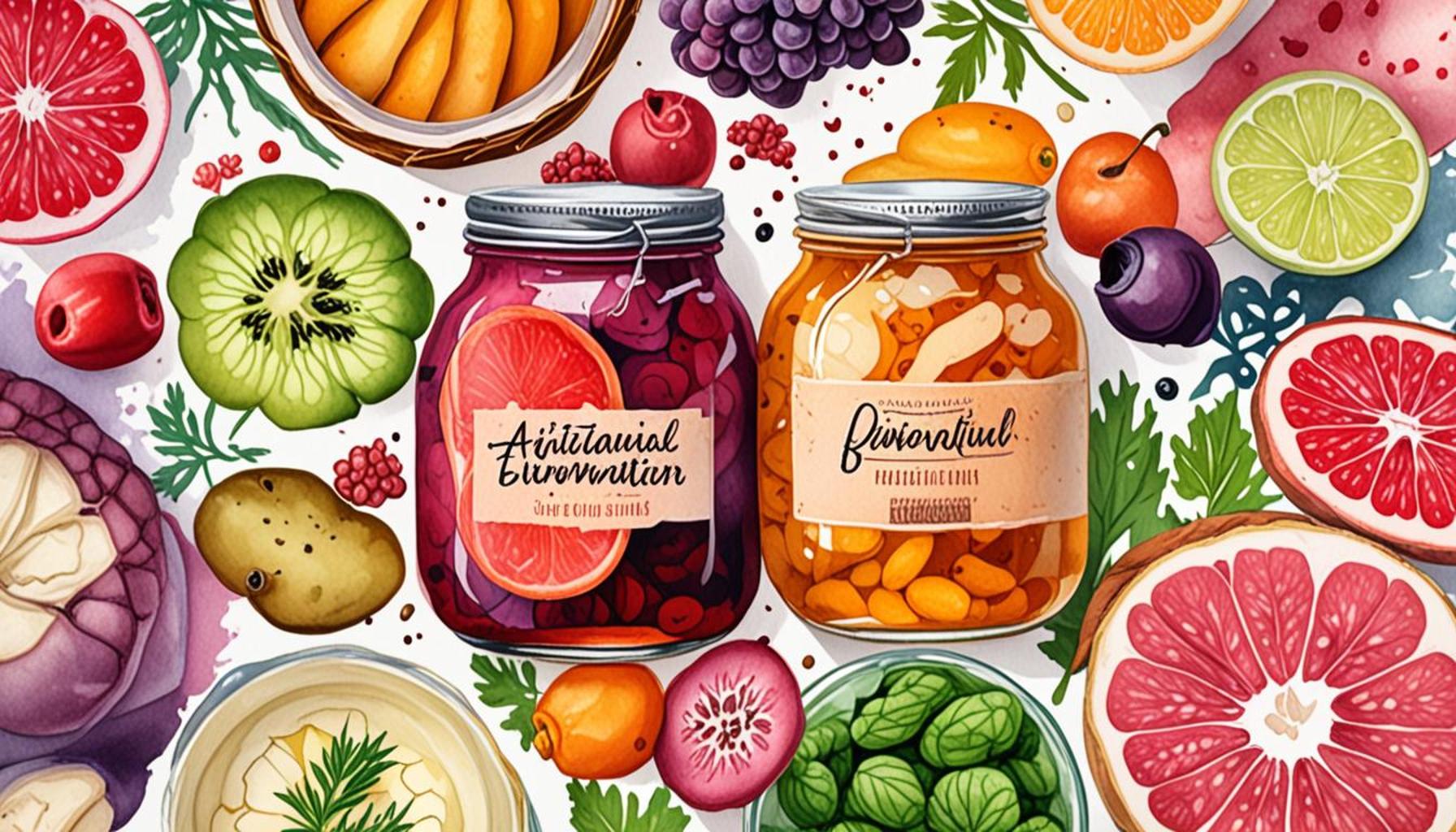
As the culinary landscape evolves, fermented foods stand out not just as a trend, but as a compelling representation of tradition fused with modern tastes. This time-honored method of food preservation enhances flavors and offers a myriad of health benefits, making these foods increasingly popular among diverse demographics. Fermentation is not a new concept; it has been utilized for centuries, from ancient civilizations preserving food through natural processes to contemporary artisans crafting unique delicacies. Today’s revival of artisanal fermentation fills markets and homes with a spectrum of flavors and nutritional advantages.
The Health Impact of Probiotics
One of the most remarkable aspects of fermented foods is their rich content of probiotics, which are live bacteria that offer a range of health benefits, particularly concerning digestive health. Probiotics found in offerings like yogurt, kefir, and miso not only contribute to a balanced gut microbiome but also may enhance the immune system. According to some studies, regular consumption of probiotic-rich foods can foster improved digestion, help mitigate symptoms of lactose intolerance, and possibly reduce the frequency of respiratory infections. These benefits illuminate why many health experts advocate for including fermented foods in our daily diets.
Flavors from Fermentation
The transformation of basic ingredients into flavorful delights through fermentation is nothing short of magical. Each fermented food boasts a unique flavor profile—take kombucha, for example, which combines the sour notes of vinegar with the sweetness of tea for a bubbly refreshment. Similarly, the tangy taste of sauerkraut or the delightful crunchiness of pickles illustrates how fermentation can convert simple cabbage or cucumbers into celebrated accompaniments. This complexity of flavors not only captivates the palate but also encourages creativity in the kitchen, inviting individuals to explore new recipes or even craft their own fermented creations at home.
The Nutritional Edge
In addition to flavor and probiotic content, nutritional benefits found in fermented foods cannot be overlooked. Fermentation often results in the increased bioavailability of nutrients, meaning that vitamins and minerals are more easily absorbed by the body. For example, fermentation enhances the availability of B vitamins and enhances the absorption of minerals like iron and zinc. As a result, these foods can play a crucial role for individuals looking to maximize their nutrient intake without significantly altering their diets.
Artisanal Revival in the United States
Across the United States, there is a burgeoning movement of local artisans dedicated to preserving traditional fermentation techniques while adding a modern twist. For instance, artisanal sourdough bread, known for its chewy crust and airy crumb, has gained a loyal following. Bakeries across urban and rural areas focus on wild yeast starter methods, offering flavors that vary with the seasons and local ingredients. Moreover, small-scale producers are crafting vibrant varieties of pickles that celebrate regional produce, demonstrating how artisanal fermentation not only sustains culinary traditions but also cultivates local economies.

As we embark on this flavorful journey through the world of fermented foods, whether your aim is to enhance your health or simply excite your taste buds, there is an abundance of options available. With a multitude of products to explore, from tangy kimchi to zesty kombucha, the landscape of fermented foods invites curiosity and experimentation, encouraging all to discover the wealth it offers.
DIVE DEEPER: Click here to uncover the role of music in friendships
Unveiling the Science of Fermentation
At its core, fermentation is a fascinating biochemical process that transforms ordinary ingredients into culinary treasures. By harnessing the power of microorganisms, such as bacteria and yeasts, fermentation creates complex flavors and preserves food for longer periods. This process not only enhances taste but also introduces a myriad of beneficial compounds. Understanding how fermentation works can deepen our appreciation for everything from tangy yogurt to zesty kimchi.
The Fermentation Process
The basic principle of fermentation involves the conversion of sugars into alcohol or organic acids by microorganisms. Here’s a closer look at the main types of fermentation:
- Lactic Acid Fermentation: This process occurs when lactic acid bacteria, such as Lactobacillus, convert sugars into lactic acid. It is responsible for the tangy flavor of foods like sauerkraut, yogurt, and pickles.
- Alcoholic Fermentation: Carried out by yeast, this type of fermentation transforms sugars into alcohol and carbon dioxide. This is how beer and wine are produced, as well as sourdough bread, which gains its delightful taste from both lactic acid and yeast.
- Acetic Acid Fermentation: This is the process that turns alcoholic liquids into vinegar through the action of acetic acid bacteria. Balsamic and apple cider vinegar are prime examples, adding a sharp, tangy punch to condiments and dressings.
Each fermentation type contributes a unique flavor and texture to food, ensuring that no two fermented products are alike. This diversity not only satisfies the palate but also offers an opportunity to explore the foundational principles of food science.
Historical Significance of Fermentation
The history of fermentation dates back thousands of years, with evidence suggesting its use as early as 6,000 BCE in regions like the Middle East and Asia. In fact, ancient Egyptians relied on fermentation to create bread and beer, while Greek and Roman civilizations enjoyed fermented fish and dairy products. The enduring relevance of fermentation speaks volumes about its vital role in human survival and dietary practices.
Modern Applications and Innovations
Fast forward to today, and the influence of artisanal fermentation is palpable in restaurants, grocery stores, and home kitchens across the United States. Inspired by the rustic methods of the past, contemporary artisans are now experimenting with fermentation to produce innovative products that reflect regional flavors and global influences. These innovations include:
- Kombucha: This fizzy beverage combines tea, sugar, and a symbiotic culture of bacteria and yeast (SCOBY) to create a refreshing drink with a unique tang.
- Fermented Hot Sauces: Artisans are blending chili peppers with vinegar and spices, resulting in complex flavors that elevate dishes to new heights.
- Craft Beer: Microbreweries are pushing the boundaries of traditional brewing, experimenting with adjuncts and wild yeast to create distinctive flavor profiles.
These modern interpretations not only honor historical practices but also cater to evolving consumer preferences focused on quality, sustainability, and local sourcing.
As we delve deeper into the world of artisanal fermentation, the potential for culinary creativity and health benefits is boundless. From understanding the science behind the process to exploring innovative products, the journey invites everyone to embrace the rich heritage and delectable flavors of fermented foods.
| Category | Advantages |
|---|---|
| Probiotics | Enhance gut health and support digestion through beneficial bacteria |
| Nutrient Density | Increase the bioavailability of vitamins and minerals, making fermented foods a nutritional powerhouse. |
When diving into the realm of artisanal fermentation, one quickly discovers that the benefits extend far beyond delightful flavors and enticing aromas. Among the standout advantages are the remarkable probiotics that emerge during fermentation. These tiny powerhouses play a crucial role in enhancing gut health, directly contributing to improved digestion and nutrient absorption. Including fermented foods like kimchi, sauerkraut, and yogurt in your diet can result in a diverse microbiome that boosts your overall well-being.Additionally, artisanal fermentation also magnifies the nutritional value of foods. By breaking down complex compounds, fermented foods provide increased bioavailability of vitamins and minerals. This means you can get more nutrients from your meals without increasing the quantity you consume, redefining what it means to eat healthy. As you explore these fermented treasures, you may find yourself intrigued by their transformative power and eager to learn more about how to incorporate them into your diet.
DIVE DEEPER: Click here to discover the impact of community on musical talent</a
The Health Benefits of Fermented Foods
The appeal of artisanal fermentation extends beyond unique flavors and preservation techniques; it also encompasses a range of health benefits that can significantly enhance well-being. As modern consumers become increasingly health-conscious, the quest for nutritious food options has led to a revival of interest in fermented products.
Gut Health and Probiotics
One of the most celebrated advantages of fermented foods is their rich probiotic content. Probiotics are live microorganisms that promote a healthy balance of gut bacteria, which is crucial for proper digestion and overall health. Fermented foods such as yogurt, kefir, sauerkraut, and kimchi contain these beneficial bacteria, which can help combat digestive issues, boost the immune system, and even improve mental health. Studies have shown that a healthy gut microbiome can affect mood and cognitive function, further highlighting the profound link between gut health and mental well-being.
Nutrient Bioavailability
Through fermentation, the nutrient profiles of foods can be enhanced, making certain vitamins and minerals more accessible. For instance, the fermentation process can break down anti-nutrients, compounds found in many raw vegetables and grains that inhibit the absorption of essential nutrients. Fermented foods like sourdough bread provide improved bioavailability of iron, zinc, and magnesium, which play vital roles in various bodily functions. This transformation not only maximizes the nutrient content of food but also supports overall health.
Anti-Inflammatory Properties
Emerging research suggests that certain fermented products may possess anti-inflammatory properties. Chronic inflammation is linked to a variety of health problems, including obesity, heart disease, and autoimmune disorders. Fermented foods like miso, tempeh, and kimchi are rich in antioxidants and can help reduce inflammation in the body. This inflammation-reducing effect is attributed to the beneficial bacteria produced during fermentation, which interact with the immune system in a manner that diminishes inflammatory responses.
Crafting Community and Cultural Identity
Beyond health benefits, artisanal fermentation also fosters a sense of community and cultural identity. Local fermentation artisans are increasingly highlighting heritage foods, preserving traditional techniques while celebrating regional flavors. From the fermented maple sap of the Northeastern United States to the spicy fermented hot sauces of the Southwest, these products promote local agriculture and small-scale farming. Such movements not only strengthen community ties but also encourage sustainable eating habits centered around seasonal and locally sourced ingredients.
Exploring Fermented Beverages
The world of artisanal fermentation is not limited to solid foods; it also encompasses an exciting array of fermented beverages. In addition to kombucha, other drinks like water kefir, kvass, and even traditional beverages such as tepache from Mexico are gaining popularity. Each of these drinks offers its own unique flavor profile and health benefits, often serving as a refreshing alternative to sugary sodas or juice. The rise of craft fermentation continues to spark an interest in homemade beverages, allowing individuals to tailor their gut health drinks to personal taste while exploring diverse cultural traditions.
As awareness of the health benefits of fermented foods grows, people are discovering not just the flavors, but also the profound impact these foods can have on their dietary choices and overall health. The journey through the world of artisanal fermentation offers not only a tantalizing taste experience but also a deeper connection to food’s history and health.
DISCOVER MORE: Click here to dive deeper
Conclusion
In conclusion, artisanal fermentation is more than just a culinary trend; it is a profound exploration of flavors, health benefits, and cultural traditions that enrich our lives. The resurgence of fermented foods speaks to a growing awareness of the importance of gut health, with probiotics playing a crucial role in our overall well-being. As the body of research supporting the advantages of fermented products expands, consumers are increasingly recognizing their potential to enhance nutrient absorption and combat chronic inflammation.
Moreover, artisanal fermentation invites us to reconnect with our food sources and embrace local food systems. By supporting local artisans, we not only celebrate cultural heritage but also promote sustainable agricultural practices that benefit our communities. The flavors found in regional products—from kimchi to sourdough—provide a sensory journey through our diverse culinary landscape.
As we embark on our own journeys into the world of fermented foods—whether through crafting our unique kombucha or exploring traditional beverages like tepache—we uncover new tastes and increase our understanding of food’s role in health and history. Whether a novice or a seasoned fermenter, this exploration offers a remarkable opportunity to enhance our diets and foster a deeper connection with the food we consume. So, step into the delightful world of artisanal fermentation and savor the myriad benefits it has to offer.