Nomadic Kitchen: Exploring the World through Food Trucks and Street Food
The Vibrancy of Culinary Mobility
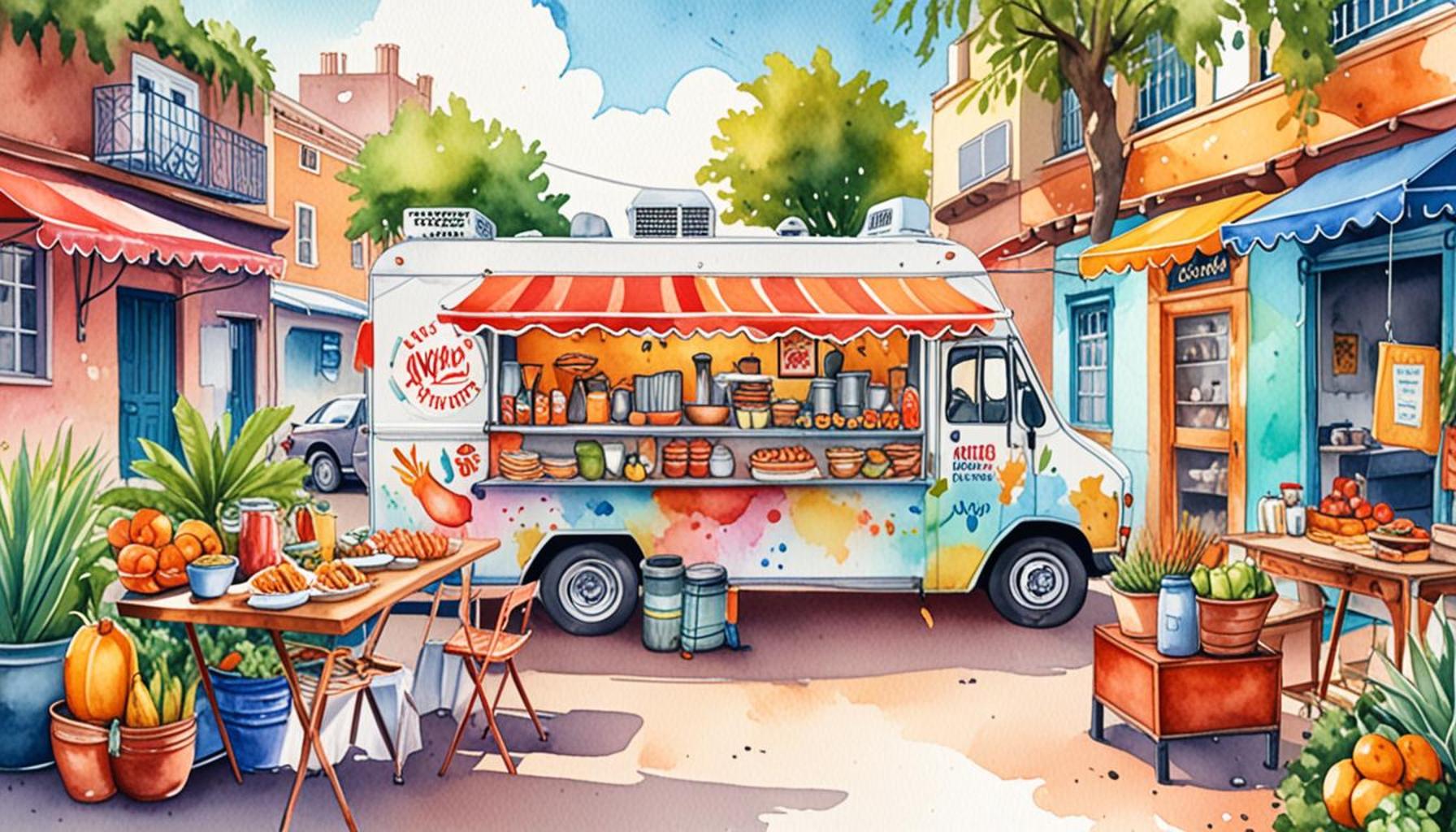
Food is a universal language that transcends boundaries, and food trucks and street food are its vibrant messengers. Across the United States, these mobile kitchens are redefining culinary experiences, bringing globally inspired flavors to local neighborhoods. With the rise of food truck culture, it’s become easier than ever for people to explore an array of cuisines right in their own backyards.
Imagine biting into a savory taco al pastor from a Los Angeles food truck, or savoring an artisanal lobster roll on the streets of Portland. The diversity of offerings is astounding, highlighting:
- Regional specialties from various cultures: From the jerk chicken tacos of Miami to the Vietnamese pho served from trucks in San Francisco, food trucks serve as mobile ambassadors, bringing regional specialties from around the globe to diverse locales.
- Eclectic fusion dishes that surprise the palate: Many food truck chefs are blending culinary traditions to create daring fusion dishes, such as kimchi quesadillas or sushi burritos, artfully merging techniques and flavors to create something entirely new.
- Accessibility of gourmet food on the go: Gone are the days when gourmet meals were reserved for fine dining. Food trucks elevate street food to a new level, bringing accessible yet refined culinary experiences to the masses.
Street vendors around the country are not just about convenience; they tell stories through their food. Each dish has a history, representing:
- The traditions of immigrant communities: Many food trucks are run by immigrants eager to share their culinary heritage, each recipe passed down through generations, inviting diners to partake in a rich tapestry of cultural history.
- The bold creativity of young chefs: The food truck landscape has become a canvas for aspiring chefs looking to experiment. With lower financial barriers compared to conventional restaurants, these entrepreneurs can take risks and innovate, often leading to unique flavors and concepts.
- The essence of local ingredients: Many food trucks prioritize sourcing ingredients from local farmers and markets, championing sustainability and supporting local economies while providing fresh and flavorful dishes.
As food trucks continue to roll into new neighborhoods and festivals, they invite us on a culinary adventure. Each bite can transport you to another culture, offering a genuine connection to lands far away. Through this article, we will explore how the nomadic kitchen concept is reshaping the food landscape, merging culture and cuisine. Get ready to discover tantalizing eats that reflect the heart and soul of communities across the nation.
In an era where the culinary scene is constantly evolving, food trucks are a testament to the dynamism of modern gastronomy. They inspire innovation, cultivate community, and ultimately foster a deeper appreciation for the beloved act of eating—proving that the best meals can often be found on the streets.
DIVE DEEPER: Click here to discover how technology is reshaping music learning
Embracing the Culinary Journey
At the heart of the nomadic kitchen phenomenon lies an unyielding spirit of exploration. Food trucks and street food stalls are not merely places to grab a quick bite; they are vibrant hubs of cultural exchange and culinary stories waiting to be told. As these mobile kitchens roll from city to city, they engage in a flavorful dialogue that connects communities to culinary traditions from around the world.
The beauty of food trucks is that they encapsulate a world of culinary adventure in a single location. Each mobile unit often specializes in a particular type of cuisine or dish, showcasing the diverse palates that exist within the United States. From the spicy chicken shawarma in New York City to the delicious churros found at local fairs in Texas, food trucks foster an environment where food lovers can indulge in unique culinary experiences without ever leaving their neighborhood.
As communities gather around these mobile kitchens, several trends emerge that underscore the role of food trucks in today’s culinary landscape:
- Celebrating Global Cuisines: Food trucks elevate authentic flavors from diverse regions, allowing patrons to experience traditional dishes such as paella from Spain or curry from India in their own backyards. This accessibility helps foster a greater appreciation for global cultures through their rich culinary histories.
- Pop Up Events and Festivals: Many cities host food truck festivals and markets where various vendors gather, providing a festive atmosphere that encourages culinary exploration. These events often spotlight themed cuisines, such as Latin American street food or Asian night markets, inviting attendees to sample a variety of offerings in one day.
- Community Bonding: Food trucks often serve as gathering points, promoting social interaction among neighbors. Sharing a meal from street vendors fosters a sense of community and belonging, proving that food has the power to connect people from all walks of life.
Moreover, as trends shift toward sustainable practices, many food trucks are making conscious efforts to adopt eco-friendly methods. Whether it’s through sourcing locally grown ingredients or implementing zero-waste policies, these culinary nomads are not only feeding appetites but also nurturing the planet.
The beauty of food trucks is not merely in their convenience, but in their ability to encapsulate the stories and traditions of the chefs who run them. By offering food that celebrates their heritage, these culinary artists invite us to join them on their journeys and partake in the flavors of their homelands. Each dish carries a piece of their identity, cultivating an appreciation for the beauty of culinary diversity.
As we delve deeper into the world of the nomadic kitchen, we will uncover the intricate culinary landscapes and the myriad of flavors that await us on the streets. Stay tuned as we continue to explore how food trucks are revolutionizing the way we experience and connect with food.
| Advantages | Description |
|---|---|
| Diversity of Cuisine | Food trucks offer a range of unique dishes from global street food to authentic regional flavors, allowing food enthusiasts to explore different cultures without leaving their city. |
| Community Engagement | Food trucks often pop up at local events, fostering a sense of community and providing a platform for emerging chefs to showcase their talent, while also encouraging consumers to support local businesses. |
The allure of the nomadic kitchen lies not only in its delicious offerings but also in the organizations and collaborations it fosters among food enthusiasts. As these mobile kitchens travel and set up shop, they create an experiential hub that brings people together to savor international delicacies. Whether it’s enjoying a spicy taco from a Mexican truck or indulging in aromatic curry from an Indian food stall, the flavors experienced are as diverse as the chefs behind them.Additionally, the rise of food trucks is not just a trend but a thriving movement that champions sustainability by promoting local produce and reducing food waste through conscious cooking practices. As you delve into this culinary journey, you’ll discover not just food, but a vibrant culture interconnected with social storytelling and innovation in gastronomy. With the world increasingly drawn towards fusion cuisine, food trucks continue to reimagine traditional recipes, often resulting in unexpected and delicious outcomes. Each dish served from these pop-up kitchens invites you to become part of a larger narrative that celebrates the art of cooking as an exploration of humanity’s shared love for food.
DISCOVER MORE: Click here to dive deeper
The Culinary Community: Innovators and Artisans
In the realm of food trucks and street food, the atmosphere is often one of creativity and innovation. Behind each mobile kitchen is a passionate entrepreneur who has often transformed a lifelong dream into a tangible reality. These culinary artisans leverage their unique backgrounds and personal stories to craft dishes that intrigue and delight patrons. As a result, the food truck landscape teems with inventive culinary mash-ups, reimagined classics, and fusion dishes that reflect the diverse influences of their creators.
The American food truck scene has experienced a meteoric rise in popularity, particularly in urban areas, where culinary entrepreneurs can quickly reach a wide audience. According to a report by IBISWorld, the food truck industry in the United States is projected to generate approximately $1 billion in annual revenue. This significant growth showcases the increasing acceptance and enthusiasm for alternative dining experiences that food trucks provide.
One notable trend emerging from the food truck movement is the rise of gourmet food trucks, which upscale the street food experience. These culinary innovators are not just serving quick snacks; they’re creating artisanal dishes using high-quality ingredients and sophisticated techniques. For example, take the truck Guerilla Tacos in Los Angeles, known for its elevated taco offerings crafted with heirloom tortillas, seasonal vegetables, and unique combinations like sweet potato and kale. Such endeavors challenge the conventional notion of what street food can be, positioning food trucks as legitimate contenders in the fine dining scene.
Furthermore, food trucks have become a canvas for culinary exploration, where chefs can experiment without the constraints of a traditional restaurant setting. The result is a vibrant array of flavors that highlight both the creativity of the chef and the palate of the community. In cities like Portland, Oregon, and Austin, Texas, food truck parks featuring clusters of vendors encourage collaboration and experimentation, allowing flavors to merge and evolve in exciting ways.
Street food culture also thrives on accessibility, offering food experiences that often break down socioeconomic barriers. For many, food trucks provide an opportunity to experience diverse cuisines at affordable prices, allowing everyone to engage in culinary exploration. A classic example comes from Philadelphia’s food truck scene, where the bacalao fritters or the iconic cheesesteak can be sampled for a fraction of the price compared to fine dining establishments. This affordability fosters inclusivity in the culinary community, inviting people from diverse backgrounds to enjoy the flavors of the world.
Moreover, the connection between food trucks and the communities they serve is continually deepening, with many trucks partnering with local farmers and suppliers to source fresh ingredients. This farm-to-table approach not only elevates the quality of the food but also supports local economies and encourages sustainable practices. Many food trucks, like Farmers’ Harvest in San Francisco, pride themselves on their commitment to local sourcing, creating menus that celebrate seasonal produce while showcasing the bountiful offerings from nearby farms.
As we journey through the world of food trucks and street food, it becomes clear that these nomadic kitchens are not just about feeding hunger; they are revolutionizing our cultural landscape. They invite us to step outside our comfort zones, celebrate creativity, and relish the stories woven into every bite. With each truck we encounter, we expand our horizons and connect with the tapestry of flavors that defines our culinary global village.
DIVE DEEPER: Click here to learn more about the magic
Conclusion: The Culinary Odyssey of Food Trucks
As we reflect on the vibrant world of food trucks and street food, it is evident that these mobile kitchens serve as more than just a means to satisfy hunger. They are a dynamic bridge connecting flavors, cultures, and communities. The culinary landscape is witnessing an evolution, where entrepreneurs turn their passion for food into unique experiences that resonate with diverse audiences. The gourmet food truck movement demonstrates that street food can be both approachable and refined, changing the perception of what quick bites can represent in the culinary sphere.
Moreover, the accessibility of street food promotes a sense of community and inclusivity, allowing individuals from varied socioeconomic backgrounds to partake in an international culinary experience. The influence of local ingredients and sustainable practices illustrates a commitment not only to quality but also to the betterment of local economies. Through partnerships with farmers and artisans, food trucks support a movement towards farm-to-table dining that highlights the bounties of local agriculture.
Ultimately, food trucks exemplify a global culinary renaissance, where diverse stories and flavors converge on the streets. They challenge us to navigate our palates beyond the familiar, inviting us to embark on a journey of flavors that reflects the rich tapestry of cultures within our neighborhoods and beyond. As the food truck scene continues to thrive, it encourages a deeper appreciation for the art of cooking and the stories that every bite can tell, making each encounter an exploration of both cuisine and community.