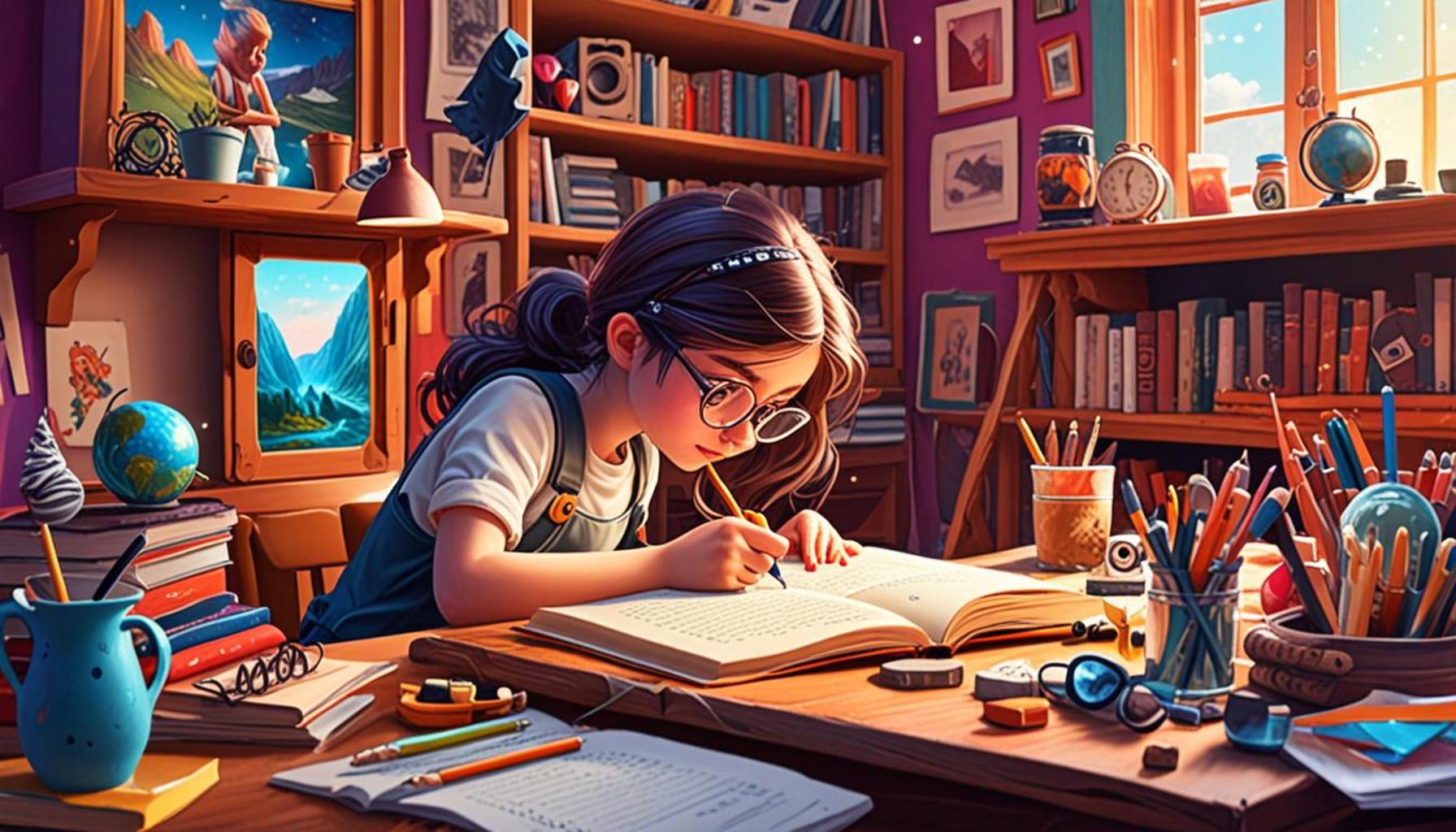
Exploring Literary Genres: The Art of Creating Worlds through Fiction
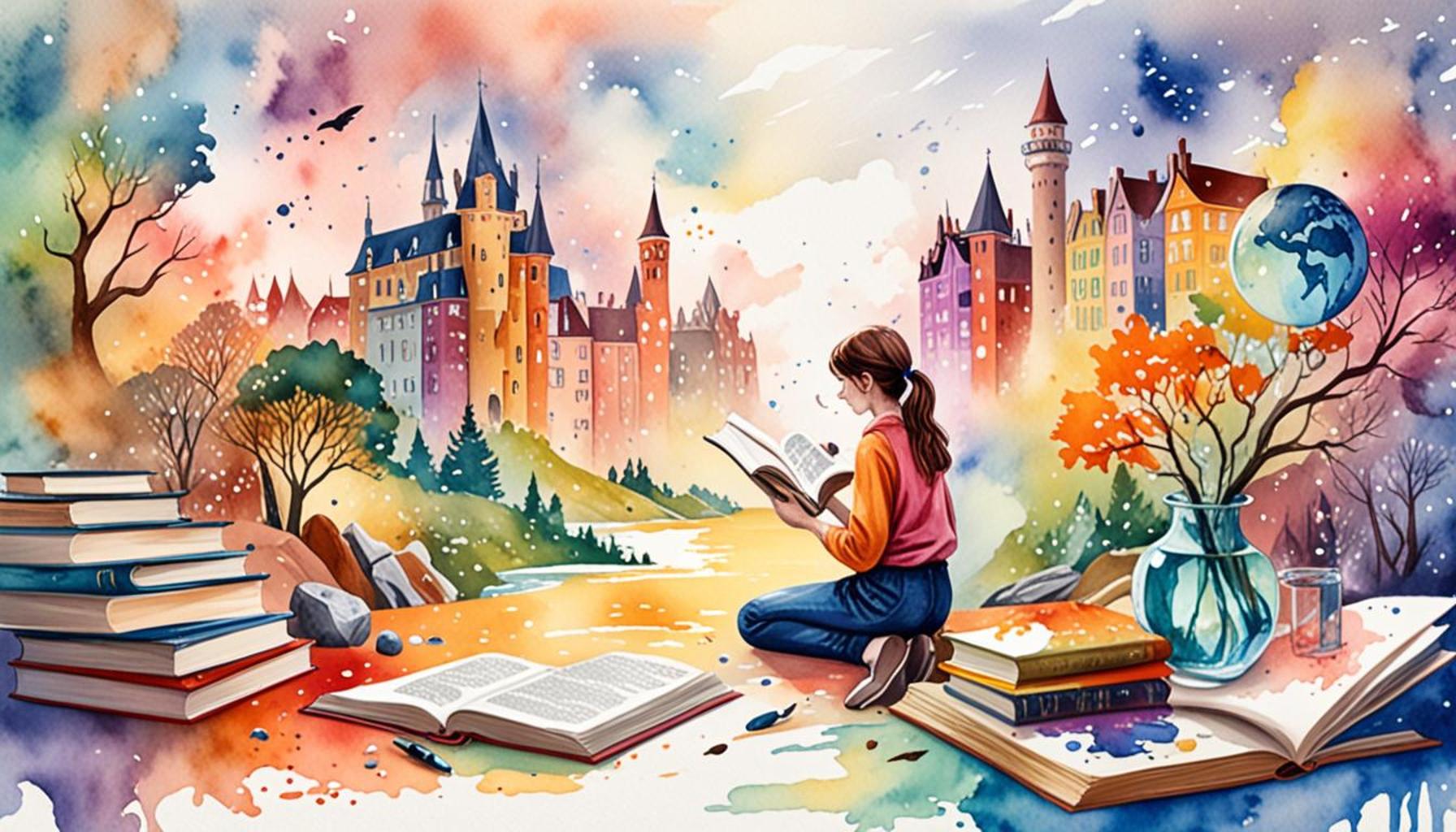
The Power of Literary Genres
Every page of a book offers a gateway to new worlds, inviting readers to step beyond the confines of reality. Literary genres serve as the tools through which authors construct these imaginative realms, each with its distinct characteristics and audiences. The beauty of literature lies in its ability to create experiences that resonate uniquely with each reader, whether they desire an escape, a thrill, or a journey into the past.
Consider the following genres that showcase the diversity of fictional worlds:
- Fantasy: This genre is marked by its use of magic, mythical creatures, and otherworldly settings. Classic examples include J.R.R. Tolkien’s “The Lord of the Rings,” where readers are transported to Middle-earth, a rich universe filled with elves, orcs, and wizards. The genre invites readers to believe in the unimaginable, fostering a sense of wonder.
- Science Fiction: Often concerned with futuristic technology and space exploration, science fiction poses speculative concepts that challenge our understanding of the world. Works like Isaac Asimov’s “Foundation” series explore advanced civilizations and the impact of technology on society. These narratives provoke thought about our future and the ethical dilemmas of technological advancements.
- Mystery: This genre captivates audiences with intriguing plots that revolve around solving crimes or uncovering secrets. Authors like Agatha Christie and her iconic detective Hercule Poirot showcase how intricate plots and clever clues can keep readers on the edge of their seats. The suspense and unexpected twists compel readers to engage actively with the text, trying to solve the mystery alongside the characters.
- Historical Fiction: Rich narratives set in specific historical periods blend facts with fiction, allowing readers to experience life in different times. Works like Ken Follett’s “The Pillars of the Earth” provide intricate details of medieval society, sparking interest in historical events and figures that may have been overlooked in textbooks.
Authors wield the power to transport readers into dimensions where anything is possible. By mastering the unique conventions of each genre, they evoke emotions, challenge perceptions, and ignite imaginations. This not only entertains but often encourages readers to reflect on their own realities and the human condition.
Through this exploration, we will delve deeper into the elements that define these genres, revealing how they affect the experience of storytelling. What makes a world believable? For instance, in fantasy, the internal consistency of its rules is crucial; if magic exists, how does it operate? Likewise, science fiction’s credibility often hinges on realistic scientific principles. How do authors effectively blend fact with fiction? This involves meticulous research, especially in genres like historical fiction, where authenticity enriches the narrative. Join us as we uncover the intricacies behind the art of world-building in literature, exploring the delicate balance between imagination and reality that keeps readers captivated.
DISCOVER MORE: Click here to learn about the power of creative writing on mental health
The Elements of World-Building in Literary Genres
World-building is a fundamental aspect of creating immersive fictional experiences, allowing readers to explore the intricacies of different genres. Every literary genre utilizes unique elements to construct its narrative landscape, but certain key components are consistent across various forms of storytelling. Understanding these elements can enhance readers’ appreciation for the art of fiction and the worlds that authors create.
One of the primary components of effective world-building is setting. This encompasses not only the physical location where the story occurs but also the social, cultural, and political environments that shape the narrative. For example, in a fantasy novel, the setting may include enchanted forests and magical kingdoms, while in a dystopian science fiction tale, it may depict a future ravaged by climate change or authoritarian regimes. This rich backdrop serves as a stage for character development and plot advancement.
Another significant factor is characterization. Characters are often the links that bring readers into the world. Through their experiences, motivations, and transformations, readers gain insight into the genre’s fabric. In romance novels, for instance, characters drive the narrative through their relationships and emotional conflicts. Conversely, in thrillers, characters may be facing life-or-death situations, prompting readers to invest emotionally in their survival. It is the characters’ determination and unique traits that make the world relatable and often mirror our own challenges.
Moreover, conflict serves as a catalyst for action and engagement. In literary genres, conflict can take many forms: personal struggles, societal issues, or cosmic battles. Whether it’s the internal turmoil faced by a protagonist in a coming-of-age story or the external challenge of an evil overlord in an epic fantasy, conflict creates tension and compels readers to turn the page. Here’s a closer look at some examples of conflicts across genres:
- Fantasy: The battle between good and evil often propels the plot, as seen in “Harry Potter” series, where Harry confronts Voldemort.
- Science Fiction: The conflict may center around humanity’s survival amid extraterrestrial threats, as in “The War of the Worlds” by H.G. Wells.
- Mystery: The quest to uncover the truth or catch a criminal provides the primary source of conflict, as illustrated in Arthur Conan Doyle’s “Sherlock Holmes” series.
- Historical Fiction: Characters may grapple with societal tensions during pivotal moments, as depicted in “The Book Thief” by Markus Zusak, set in World War II.
Additionally, theme plays a crucial role in uniting the elements of world-building. Themes are the underlying messages or questions that emerge from the story, prompting readers to consider broader issues such as love, sacrifice, or the struggle for freedom. For example, the theme of power dynamics is prevalent in both fantasy and historical fiction, where characters navigate their roles within societal hierarchies.
As we explore these elements, it becomes evident that the skillful blending of setting, characterization, conflict, and theme is what makes fictional worlds compelling and engaging. Authors adeptly leverage these components to invite readers into their narratives, crafting experiences that resonate long after the last page is turned. This intricate process of world-building not only entertains but also fosters a deeper connection to the complexities of the human experience, engaging readers on multiple levels.
| Genre Diversity | World-Building Techniques |
|---|---|
| Fantasy, Science Fiction, and Realism | Use of intricate lore and cultural details |
| Engagement | Immersive settings create emotional connections |
The literary genre is a crucial element in how readers perceive and experience fiction. In “Exploring Literary Genres: The Art of Creating Worlds through Fiction,” we delve into the vibrant landscape of different genres, such as fantasy where magic reigns, science fiction which stretches the bounds of the universe, and realism that echoes everyday life. Each genre enriches the storytelling experience and challenges authors to innovate in their world-building techniques.World-building entails constructing elaborate settings that reflect intricate lore, cultural nuances, and societal dynamics. These elements help establish the rules of the universe within the narrative, engaging readers’ imaginations and fostering a deeper emotional resonance with characters. Genres not only serve as frameworks for narratives but also as pathways for enriching the reader’s journey through the vast landscapes of fiction, prompting further exploration into the depths of literary artistry. By engaging with these genres, readers can uncover the artistry that goes into creating fictional realms that captivate and inspire.
DISCOVER MORE: Click here to learn how to nurture musical talents in children</
Symbolism and Language: The Tools of Immersive Storytelling
The art of creating worlds in literature extends beyond the clear elements of setting, characterization, conflict, and theme. Symbolism and language also play pivotal roles in shaping narratives that resonate deeply with readers. These tools allow authors to layer their stories with meaning, inviting readers to engage in a more profound way with the fictional worlds they experience.
Symbolism enriches a narrative by infusing objects, characters, or events with deeper significance. For instance, in F. Scott Fitzgerald’s classic “The Great Gatsby,” the green light symbolizes Gatsby’s unattainable dreams. This motif not only enhances the richness of the narrative but also exemplifies themes of desire and disillusionment pervasive in the American Dream. Such symbols serve to anchor the reader’s understanding of the characters’ motivations and the socio-political nuances of the time, showcasing how symbolism transcends the surface-level narrative.
Language choice is equally crucial in crafting the tone and atmosphere of a fictional world. Authors can evoke emotions, conjure specific imagery, and set the pace of the narrative through their linguistic style. Consider the use of lyrical prose in works like “The Night Circus” by Erin Morgenstern, where the enchanting language draws readers into a mesmerizing world filled with magic and wonder. Alternatively, the stark, clipped dialogue found in Cormac McCarthy’s “The Road” reflects the bleakness of the post-apocalyptic setting, immersing readers into a grim reality. Language shapes the reader’s perception and investment in the story, further highlighting the complexity of the genre.
The Role of Intertextuality
In addition to symbolism and language, intertextuality enhances the experience of world-building. This concept refers to the relationship between texts, where authors draw upon or reference other literary works, genres, or cultural artifacts. By doing so, they create a layered experience that invites readers to explore the links within the larger literary landscape. For example, contemporary fantasy writers like Neil Gaiman often weave elements of ancient myths and folklore into their narratives, which not only enriches the world but also invites readers to uncover the hidden connections to established stories and archetypes.
Furthermore, intertextuality can also challenge readers to think critically about the socio-cultural context of a story. Consider Margaret Atwood’s “The Handmaid’s Tale,” a dystopian novel that draws upon historical and religious texts to comment on modern societal issues. This interplay of texts encourages a dialogue between the past and present, asking readers to scrutinize their own world through the lens of fiction.
Genre Blending: A Gateway to New Worlds
As literature evolves, the boundaries between genres increasingly blur, giving rise to genre blending. This innovation allows authors to innovate traditional conventions, creating unique worlds that transcend singular genres. For instance, works like “The Bone Clocks” by David Mitchell amalgamate fantasy, science fiction, and literary fiction, crafting a multifaceted narrative that challenges expectations. This intermingling of genres presents readers with diverse experiences, expanding their understanding of fiction and the possibilities of narrative construction.
The exploration of literary genres, from the nuances of world-building to the use of symbolism, language, intertextuality, and genre blending, demonstrates the artistic depth authors achieve. As readers navigate these intricacies, they uncover layers of meaning that enhance the reading experience, ultimately leading to a richer understanding of the world around them.
DIVE DEEPER: Click here to learn more about the impact of musical talents on mental well-being
Final Thoughts on the Craft of World-Building in Literature
In summation, the exploration of literary genres showcases the multifaceted ways authors weave intricate worlds that captivate and resonate with readers. From the rich tapestry of symbolism and the poetic nuances of language to the interconnected fabric created through intertextuality, each element plays a critical role in enhancing the immersive experience of storytelling. These techniques challenge readers not only to engage with the narrative on a superficial level but also to delve deeper into the themes and emotions that pulse beneath the surface.
The innovative practice of genre blending further expands these horizons, inviting writers to transcend traditional boundaries and create diverse, complex narratives that reflect the richness of human experience. In a world where the line between genres is increasingly fluid, readers are encouraged to embrace a variety of perspectives, thus broadening their understanding of literature’s power.
As we continue to explore the myriad ways authors construct their fictional universes, we become more attuned to the intricacies of storytelling, leading to a greater appreciation for the art form. Thus, the journey through literary genres remains a vital avenue for reflection, connection, and discovery in our ever-evolving cultural landscape. Embrace this literary adventure, and unlock the treasures that await within the pages of diverse narratives.