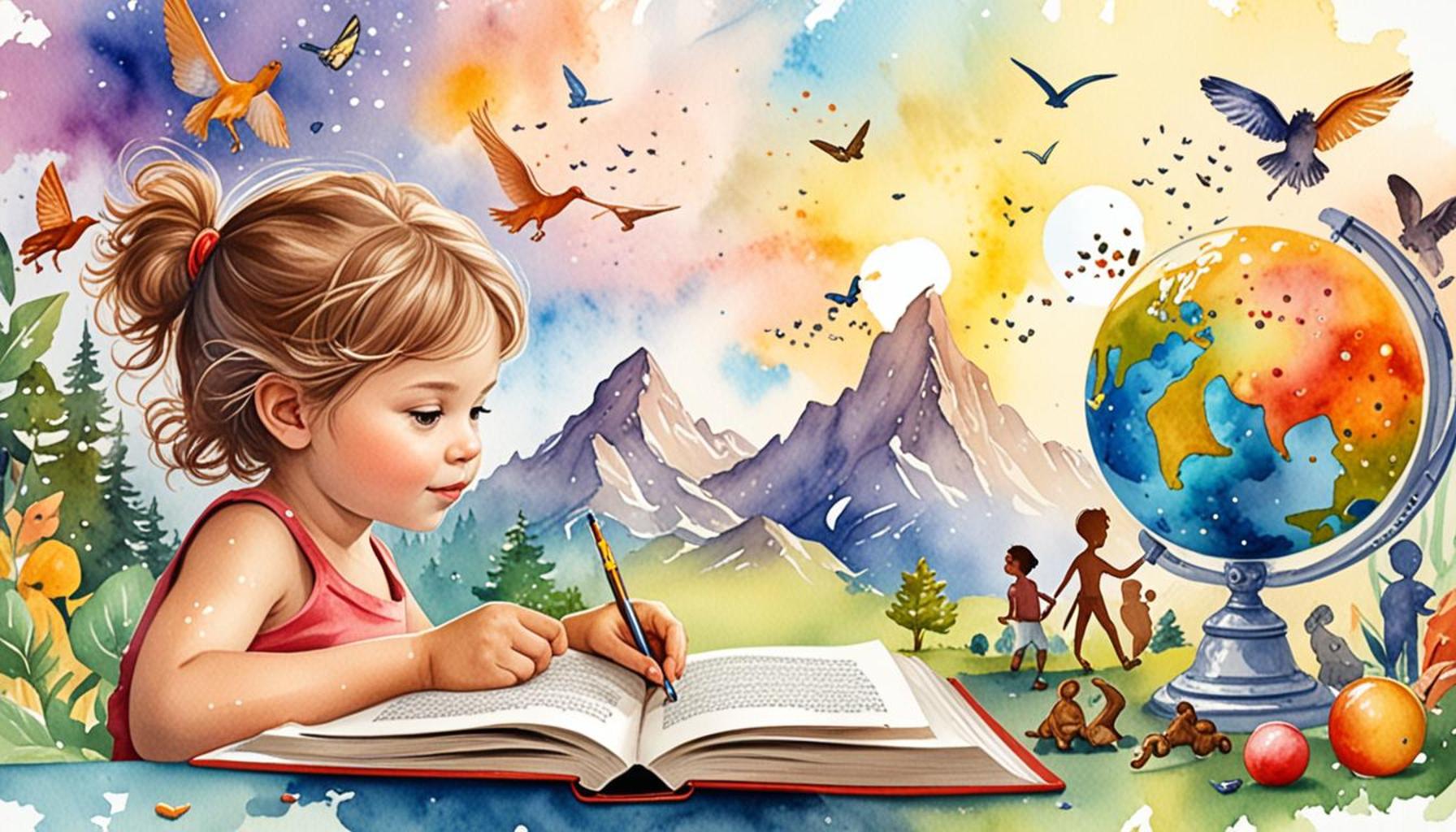
Literature as a Form of Self-Expression: Discovering Voice Through Creative Writing

Exploring the Power of Words
In a world where communication evolves rapidly, the fundamental need for self-expression remains constant. Creative writing serves as a vital outlet, allowing individuals to articulate their thoughts, emotions, and identities. This literary journey not only enhances personal insight but also fosters meaningful connections with others. Within this spectrum of expression, whether it be through poetry, fiction, or essays, the nuances of each person’s experience contribute to a rich diversity of voices and viewpoints that reflect society’s complexities.
Why Creative Writing Matters
Through literature, people can:
- Explore Personal Narratives: Many writers delve into their backgrounds by sharing intimate stories that resonate universally. Take, for instance, the works of authors like Maya Angelou, whose autobiographical writing details her struggles and triumphs, echoing the sentiments of many who have faced adversity. By revealing personal trials, writers create tangible connections with readers, creating a sense of belonging.
- Catalyze Emotional Healing: Writing can provide a therapeutic escape, helping individuals process trauma and articulate their struggles. Programs like National Novel Writing Month (NaNoWriMo) encourage people to channel their emotions into narrative form. Participants often report a sense of clarity and catharsis, discovering that their crafted narratives allow for exploration of deep feelings that may have previously been suppressed.
- Encourage Empathy: Literature invites readers to step into different perspectives, sparking compassion and understanding. For example, reading novels like “The Hate U Give” by Angie Thomas can enable readers to grasp the lived experiences of marginalized communities, fostering a deeper appreciation of social issues and cultural diversity.
Moreover, the trend of exploring voice through creative writing has gained momentum across various platforms, from blogging to self-publishing. In today’s digital age, aspiring writers can share their work online, reaching audiences they might never have connected with otherwise. This democratization of literature empowers people in every corner of the United States and beyond, leading to a rich tapestry of narratives that reflect contemporary life and challenges.
Unlocking the Writer Within
Understanding the profound link between literature and self-expression can inspire countless individuals to discover their unique voices. Participation in writing workshops and local literature festivals promotes not just skill development but also community engagement. For instance, events such as the Austin International Poetry Festival highlight the collective creativity inherent in diverse communities, illustrating how individuals come together to share their stories.
By engaging with creative writing, one not only finds psychological relief but also contributes to a collective dialogue that shapes culture and society. As we embark on this exploration, the words may just flow, revealing the stories waiting to be told. In an era overflowing with distractions, immersing oneself in the craft of writing can serve as an anchored pursuit, drawing out reflections on both personal journeys and broader societal issues.

This intersection of personal expression and community narrative underscores the significance of creative writing in today’s world, reaffirming that every individual’s voice has the power to make an impact.
DIVE DEEPER: Click here to discover inspiring stories</a
Transforming Thoughts into Written Words
The journey of self-expression through creative writing begins with the act of putting pen to paper or fingers to keyboard. It is a transformative process where thoughts, feelings, and experiences are synthesized into meaningful narratives. This craft encourages individuals to not only articulate their personal truths but also to explore different facets of their identities, allowing for a deeper understanding of themselves and their place in the world.
Harnessing the Power of Storytelling
Storytelling, an inherent part of human culture, has been a vital mechanism of communication since the dawn of civilization. Through creative writing, individuals can harness this power for self-exploration. Here are several ways that storytelling can facilitate self-expression:
- Clarifying Emotions: When writers recount their experiences, they sift through their emotions, often leading to profound revelations. By articulating feelings associated with specific events, such as loss or joy, individuals can build a solid understanding of their emotional landscape, fostering personal growth.
- Creative Freedom: The blank page presents an open canvas for imagination and creativity. Writers are not confined by the rules of reality, enabling them to venture into alternative perspectives and fictional worlds. This freedom can lead to experimentation with language, form, and style, transforming mundane experiences into art.
- Building Resilience: The act of writing can be a powerful tool for resilience. As individuals reflect on their life stories through creative writing, they often discover strengths they didn’t know they had. This process can empower them to confront challenges with a renewed sense of courage.
In the digital age, platforms such as social media and online writing communities have demystified the traditional boundaries surrounding writing. Emerging writers can share their works with an audience beyond their immediate circle, potentially reaching thousands, if not millions. This connectivity not only encourages diverse voices to emerge but also allows writers to receive feedback and encouragement, which is essential for development.
Writing as a Reflection of Society
Creative writing not only highlights personal stories but also captures cultural and societal narratives. As writers explore their own lives, they unconsciously reflect the world around them. For example, works like “The Brief Wondrous Life of Oscar Wao” by Junot Díaz elucidate the experience of Dominican Americans, intertwining personal and cultural histories into a literary tapestry that speaks to larger social themes.
This intersection of self-expression and societal narrative underscores the essence of creative writing as a vehicle for change. Literature resonates far beyond mere storytelling; it encompasses a collective conscience, delving into issues of identity, race, and belonging. In this way, writers not only explore their own voice but also lend a voice to those who may go unheard.
By embracing creative writing, individuals embark on a path that intertwines self-discovery with a broader cultural dialogue. As they pen their thoughts and stories, they contribute to an evolving narrative that reflects both personal journeys and the shared human experience.
| Advantages | Details |
|---|---|
| Enhanced Emotional Clarity | Creative writing allows individuals to articulate their feelings, promoting mental well-being. |
| Building Empathy | Exploring diverse perspectives through writing fosters a deeper understanding of others. |
| Skill Development | Engaging with creative writing enhances vocabulary, grammar, and storytelling abilities. |
| Community Connection | Joining writing groups and workshops cultivates a supportive environment for sharing ideas. |
Exploring literature as a form of self-expression goes beyond the act of writing; it taps into a fundamental need for connection and understanding. As individuals articulate their inner thoughts and emotions, they often find that the therapeutic benefits of creative writing lead to enhanced emotional clarity. This deep exploration of feelings not only provides personal relief but also helps in forging connections with others.Moreover, embracing creative writing is a gateway to building empathy. Writers often delve into diverse characters and scenarios, widening their outlook on human experiences, thus fostering a better understanding of varying perspectives. These unique insights not only enrich the writer’s personal experience but also resonate with readers, making literature a powerful medium for societal reflection.Engagement in writing further encourages significant skill development. Whether it is expanding vocabulary, honing grammar, or mastering the art of storytelling, creative writing serves as a platform for continuous learning. Additionally, the act of joining writing groups serves to form a sense of community connection. Here, writers share their work in a nurturing environment, allowing for feedback and encouragement, which enhances their writing journey. The bonds formed in these creative spaces often evolve into lifelong friendships, centered around a shared passion for expression through literature.
DISCOVER MORE: Click here to explore the creative connection</p
Exploring Identity Through Creative Expression
As individuals delve deeper into the practice of creative writing, they often uncover layers of identity that they might not have been aware of. This exploration can lead to a profound sense of self-discovery, where writers engage with various aspects of their background, beliefs, and experiences. One particularly effective way to explore identity through writing is by embracing personal narratives.
Personal Narratives and Cultural Identity
Personal narratives allow writers to share their unique experiences and perspectives, contributing to a rich tapestry of cultural identity. In American literature, works like Zora Neale Hurston’s “Their Eyes Were Watching God” delve into the complexities of African American womanhood in the early 20th century. These stories highlight the significance of culture and self-definition, illustrating how personal experiences can resonate within a broader societal framework.
Writers from diverse backgrounds often find solace in recounting their cultural heritage, reinforcing the idea that personal stories can bridge gaps and foster understanding among different communities. For instance, the works of contemporary author Linda Sue Park shed light on the Korean American experience, showcasing how cultural context influences personal identity. This exploration can inspire writers to reclaim their narratives and challenge stereotypes, promoting inclusivity and empathy.
The Role of Writing Workshops
Another avenue through which individuals can cultivate their creative voices is through writing workshops. These nurturing environments offer aspiring writers the opportunity to receive constructive feedback from peers and instructors, allowing them to refine their craft. Workshops often emphasize genres ranging from poetry to memoir, encouraging participants to explore various modes of expression. This collaborative approach fosters a sense of belonging while facilitating a dialogue about personal themes, struggles, and triumphs.
Furthermore, platforms like the Community of Writers or the Writing Center at UCLA have started to promote inclusivity within the writing community. They provide safe spaces for marginal voices—LGBTQ+ individuals, people of color, and other underrepresented groups—to share their stories and cultivate their unique styles. By participating in these workshops, writers can gain confidence in their voice, challenging the notion of a singular narrative and embracing the multiplicity of experiences.
Journaling as a Tool for Self-Exploration
Another impactful method of self-expression through creative writing is journaling. This practice encourages spontaneous writing that frees the mind from self-censorship. Journaling can serve as a reflective tool, allowing individuals to document their thoughts, aspirations, and challenges. Not only does this practice enhance writing skills, but it also enables deeper introspection, helping writers understand the nuances of their emotions and identities.
Studies show that journaling can lead to improved mental health outcomes by providing a safe outlet to process emotions and experiences. As writers develop this habit, they may also discover new themes in their writing, uncovering recurring motifs that speak to their personal struggles or aspirations.
Ultimately, creative writing allows individuals to examine their multifaceted identities. Whether through personal narratives, writing workshops, or journaling, the act of writing not only becomes a means of self-discovery but also amplifies the voices of those who, like many before them, wish to share their stories with the world.
DISCOVER MORE: Click here to learn how digital platforms are changing the music scene
Conclusion
In conclusion, the journey through literature and creative writing serves as a vital pathway for individuals to uncover and amplify their unique voices. From personal narratives that weave intricate tapestries of cultural identity to the supportive environments fostered in writing workshops, the diverse methods of self-expression empower writers to articulate their innermost thoughts, challenges, and triumphs. By embracing the creative process, whether through structured writing settings or introspective journaling, individuals not only enhance their writing skills but also foster deeper connections with their true selves.
The exploration of identity through creative writing is particularly significant in a multicultural society like the United States, where a multitude of perspectives can enrich the literary landscape. As writers engage with their backgrounds and experiences, they contribute to a broader discourse on inclusivity, creating a more nuanced understanding of human experience. Furthermore, the benefits of writing extend beyond personal growth—studies have shown that expressive writing can lead to improved emotional well-being, highlighting its therapeutic potential.
Ultimately, literature as a form of self-expression allows for a celebration of diversity and individuality. By discovering their voices, writers can challenge societal norms, foster empathy, and inspire others to share their stories. As we continue to explore the realms of creative writing, we recognize that every narrative matters, and every voice has the power to create change.