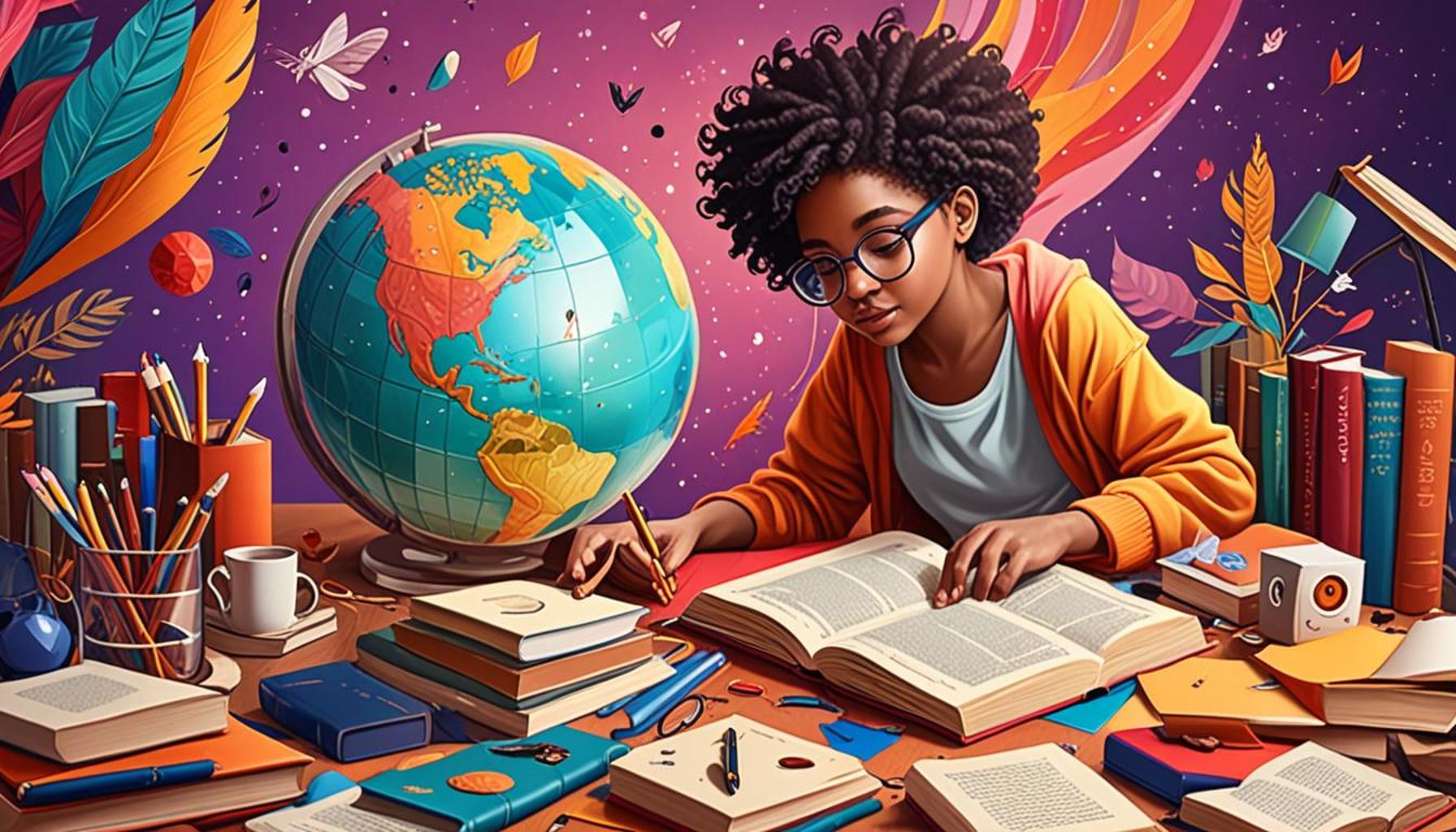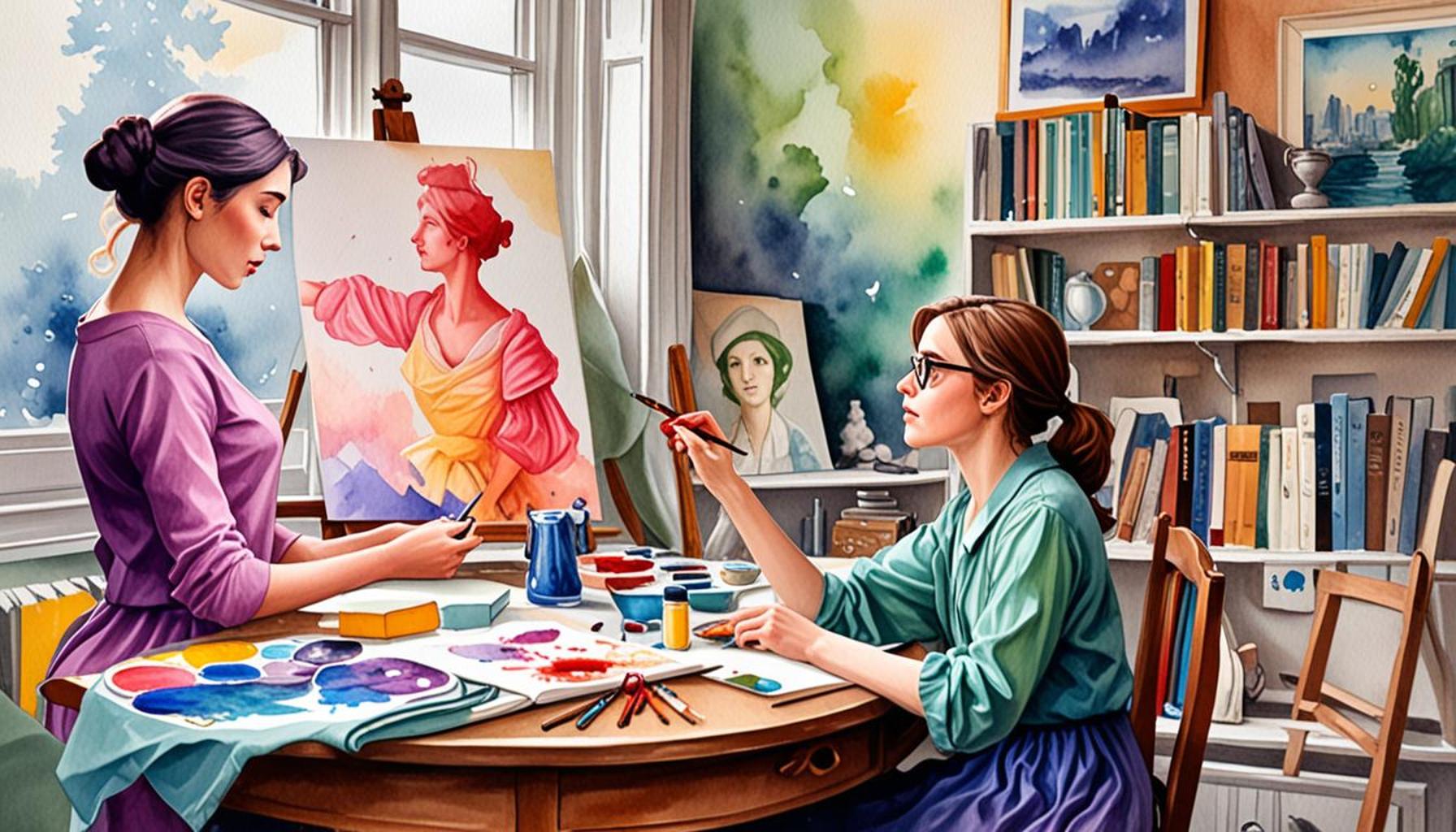
The Importance of Reading in Inspiring New Literary Creations
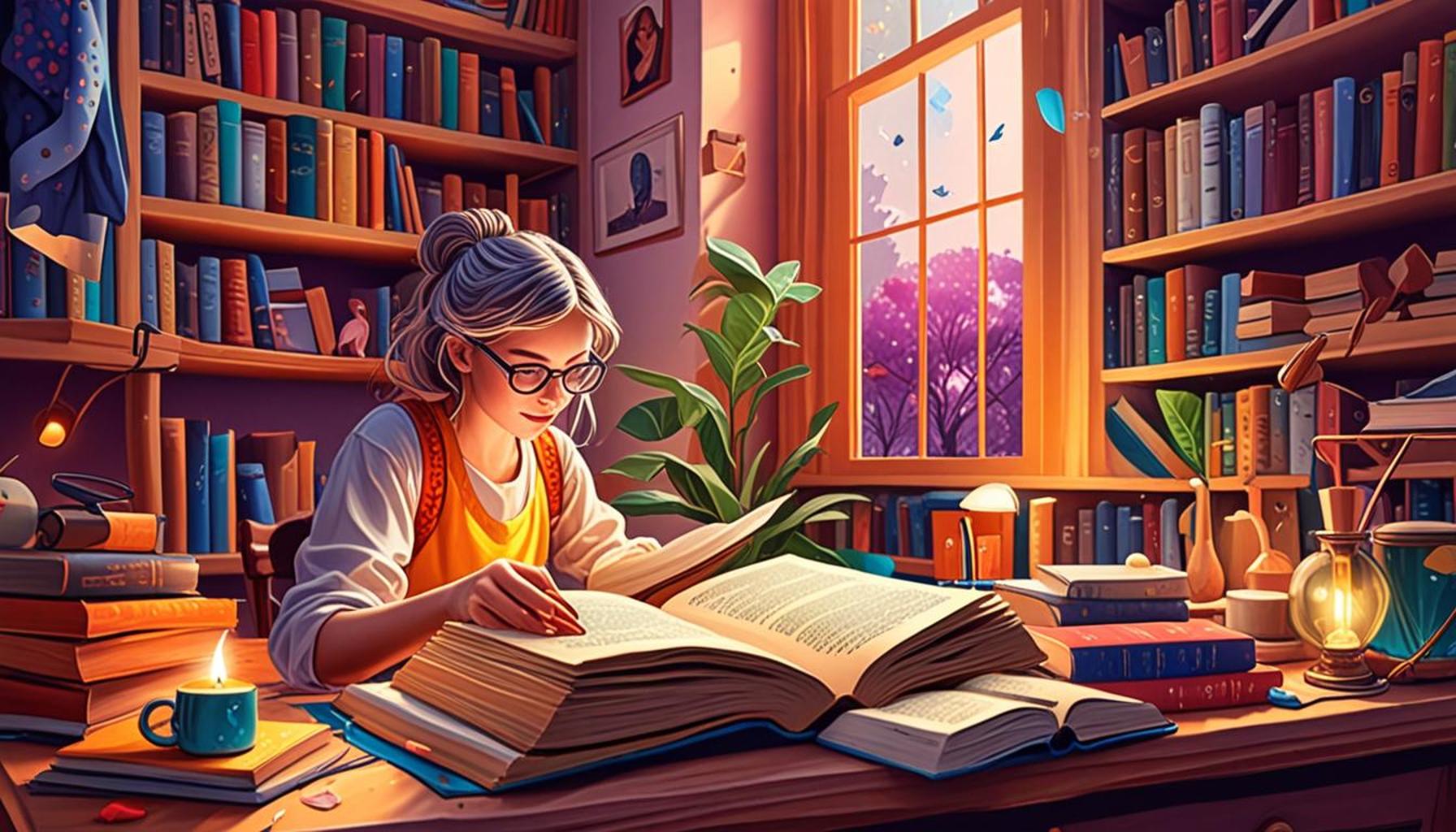
The Profound Influence of Reading on Literary Creativity
Reading is far more than just a pastime; it serves as an essential springboard for creativity and inspiration. Within the pages of diverse books, writers encounter a multitude of unique voices, styles, and innovative concepts that ignite their imaginations. This dynamic interplay between reading and writing fosters a thriving literary ecosystem, where each element enhances and reflects the other.
So, what makes reading such a critical ingredient in the recipe for new literary creations? Here are several reasons that underline its importance:
- Exposure to different genres: The vast landscape of literature includes genres such as fiction, non-fiction, poetry, fantasy, and mystery, among others. By engaging with these different forms, writers can explore a variety of storytelling techniques. For example, a suspense thriller can teach a writer how to maintain tension, while a romance novel might showcase the subtleties of emotional connection.
- Understanding cultural contexts: Reading works from diverse authors provides writers with insight into different perspectives and life experiences. Narratives from marginalized voices often reveal rich cultural backgrounds that can inspire writers to incorporate multifaceted viewpoints into their own work, thereby enriching their narratives and allowing for a more inclusive literary conversation.
- Enhancing vocabulary: A robust vocabulary is a crucial tool in a writer’s arsenal. Exposure to well-written prose and poetry enhances language skills, enabling writers to express ideas and emotions with clarity and depth. For instance, reading classics like “The Great Gatsby” or “Beloved” can introduce sophisticated lexicon and phrasing that enhances original writing.
Statistics consistently illustrate that many bestselling authors attribute their literary success to a deep commitment to reading. Take Stephen King, for example. He often cites his extensive reading list as foundational to his storytelling abilities. Similarly, J.K. Rowling has spoken about how her love for literature, particularly classic fairy tales and myths, shaped her creative process in crafting the “Harry Potter” series. Such insights compel us to rethink the indispensable role reading plays in the evolution of writing.
Moreover, reading can serve as a powerful catalyst for creativity, inspiring writers through concepts, characters, and plotlines found in the works of others. For instance, the complex characters in “Pride and Prejudice” have encouraged many writers to explore multifaceted personalities in their stories. By delving into the nuances of human emotion, writers often forge deeper connections with their own characters, leading to more compelling narratives.
Ultimately, examining the significance of reading emphasizes how it enriches not only the individual reader but the broader literary community as well. As we continue to explore this intricate relationship, we discover the profound impact that reading exerts on inspiring unique and captivating literary creations. In a world where creativity often seems elusive, the act of reading remains a sustaining force, reminding us of the endless possibilities that words can create.

DISCOVER MORE: Click here to enhance your writing
Unveiling the Elements of Literary Inspiration
The act of reading is akin to embarking on an intellectual voyage, one that opens the mind to diverse landscapes of thought and narrative. As writers traverse this terrain, they wield the potential to sculpt their own literary masterpieces inspired by the treasures found in the works of others. Delving deeper into the reasons why reading is essential for fostering new literary creations unveils several pivotal elements that underlie the creative process.
- Fostering Imagination and Innovation: When writers engage with imaginative works, they stimulate their own creative faculties. The imaginative realms constructed by authors such as Neil Gaiman and Octavia Butler serve as boundless sources of inspiration. Their fantastical worlds provoke thoughts about unconventional story arcs, allowing writers to venture beyond the mundane, ultimately leading to fresh ideas and innovative narratives.
- Discovering Unique Storytelling Techniques: Each author has their distinct rhythm, voice, and narrative style. For instance, the nonlinear storytelling exhibited in works like “Catch-22” by Joseph Heller can prompt writers to experiment with timeline structures in their own stories. The techniques gleaned from various authors can be seamlessly integrated into new creations, weaving rich textual tapestries that captivate readers.
- Building a Stronger Writing Community: In the literary world, relationships often bloom from shared reading experiences. Book clubs and literary gatherings foster dialogue between enthusiasts, where writers can discuss inspirations drawn from influential texts. Such interactions can lead to collaborative projects and mentorship opportunities, enriching both personal growth and communal storytelling traditions.
Furthermore, the foundational impact of reading extends to enhancing a writer’s critical thinking abilities. When delving into complex themes or analyzing character motivations, writers develop a better understanding of human behavior and the multifaceted nature of relationships. This critical perspective can enhance storytelling by ensuring that characters are not merely archetypes; rather, they become fully-realized individuals with depth, purpose, and relatability.
Data indicates that authors who prioritize reading tend to produce more robust and influential literary works. A survey conducted by the American Writers Association revealed that over 75% of successful writers attribute their creative capabilities to their rigorous reading habits. These statistics underscore a vital connection between literature consumption and the quality of literary output. Consequently, writers who immerse themselves in reading not only enhance their skills but also contribute to the vibrancy of the literary landscape.
In essence, reading not only enriches the individual writer’s toolkit but also serves as a bridge to connecting with the larger literary community. As we deepen our exploration of the intricate relationship between reading and literary creation, we uncover the profound impact that engagement with written works has on inspiring original thought and innovation in storytelling. In this era, where imagination is paramount, the importance of reading cannot be overstated, as it remains a powerful catalyst for new literary creations.
Reading serves as a profound source of inspiration for new literary creations, offering writers an expansive well of ideas, styles, and themes from which to draw. In today’s fast-paced world, the act of reading invites both calm and contemplation, allowing authors to immerse themselves in diverse worlds and experiences. This process not only sparks creativity but also enhances a writer’s ability to articulate their own unique voice.As diverse genres proliferate, the relationship between reading and writing becomes increasingly pivotal. For instance, poetry lovers often find their rhythms and imagery influenced by the poets they admire. Novels serve as blueprints, showcasing character development and intricate plot structures that can be dismantled and reassembled in new narratives. The juxtaposition of various authors’ takes on universal themes such as love, conflict, and personal growth provides fertile ground for innovation.Moreover, reading introduces aspiring authors to a variety of literary techniques, from narrative styles to character arcs. For example, a mystery writer influenced by Agatha Christie might adopt a similar structuring of plot twists but weave them with their own cultural nuances. This transformational capability highlights reading’s critical role in inspiring new literary creations, encouraging not just reproduction of existing works but the birth of entirely new genres and perspectives.Additionally, the communal aspect of reading today cannot be overlooked. Engaging in book discussions, whether through clubs or online platforms, allows writers to witness the impact of literature on different audiences. Such interactions can lead to insights about societal issues, cultural narratives, and emotional responses, ultimately enriching a writer’s perspective and fuel for storytelling. Through these multifaceted channels, the importance of reading as a catalyst for literary innovation is evident, prompting a continuous cycle of inspiration, creativity, and renewal within the literary community.
DISCOVER MORE: Click here to learn how hands-on skills can enhance your creativity
Transformative Power of Reading on Writing Styles
Reading is not merely a passive activity; it serves as a dynamic catalyst that transforms the way writers express their thoughts. A prime example of this transformation can be seen in the epistolary format utilized by authors such as Alice Walker in her acclaimed novel “The Color Purple.” This method of storytelling allows writers to experiment with voice and perspective, offering readers an intimate glimpse into a character’s internal struggles and triumphs. By exploring various forms of narrative structures, writers can cultivate their unique style and enhance their craft.
The genre-spanning influence that reading provides is another crucial aspect of its importance. Writers who explore a variety of genres—from poetry to science fiction—broaden their horizons and discover new ways to convey emotion and themes. For instance, the poetic sensibility found in the works of poets like Maya Angelou can inspire prose writers to adopt lyrical qualities in their narratives, adding layers of resonance and depth. By integrating techniques from multiple genres, authors can innovate and create richly textured works that engage diverse audiences.
Moreover, the literary canon is filled with examples of how reading has directly inspired new works. For instance, inspired by F. Scott Fitzgerald’s “The Great Gatsby,” contemporary authors like Sarah Jessica Parker have drawn on the themes of ambition, loss, and societal expectations to craft new stories that resonate with modern readers. This intertextuality demonstrates how classic literature continues to shape and inspire contemporary writing, weaving connections across time and context.
- Cultivating Diverse Perspectives: Exposure to different cultures and experiences through literature sharpens a writer’s empathy and enriches their narratives. Works like Chimamanda Ngozi Adichie’s “Americanah” showcase cross-cultural experiences, prompting writers to reflect on their perspectives and incorporate multi-faceted characters in their own writings.
- Enhancing Vocabulary and Style: Regular reading expands a writer’s lexicon, providing them with the language tools necessary to articulate complex ideas and emotions. With each book read, writers are likely to encounter unique expressions and stylistic nuances that they can later adapt into their own work.
- Encouraging Thematic Exploration: Many writers have “aha” moments while reading, discovering themes they wished to explore in their own work. The existential explorations found in Franz Kafka’s stories can ignite questions within writers that lead to profound explorations of identity and purpose.
In an increasingly digital and fast-paced society, the act of reading also encourages reflection and mindfulness. Engaging deeply with texts cultivates a sense of patience and contemplation, qualities essential for thoughtful writing. With authors such as Toni Morrison advocating for the importance of deliberate prose, writers who dedicate time to reading can increase their focus and clarity when articulating their storytelling visions.
The symbiosis between reading and writing is starkly evidenced by numerous literary competitions, where submissions often reflect the stylistic and thematic influences of popular and classic works. According to data from the National Endowment for the Arts, participants in writing contests who report extensive reading habits consistently achieve higher rankings and accolades. This correlation highlights how the act of reading enriches literary creation and ultimately contributes to the vibrancy of contemporary literature.
Collectively, these facets demonstrate that reading not only fortifies a writer’s creative foundation but also molds the cultural narratives we encounter. As readers turn pages, they simultaneously shape the next generation of literary creators, fostering a cycle of inspiration that propels the medium forward. Understanding this intricate relationship underscores the pivotal role of reading in paving pathways for innovative literary expressions.
DIVE DEEPER: Click here to discover the transformative power of art
Conclusion: The Cycle of Inspiration Through Reading
In conclusion, the intrinsic connection between reading and writing emerges as a vital force in the literary world. Reading enhances creativity by exposing writers to diverse styles, narrative techniques, and thematic explorations that can lead to groundbreaking literary innovation. As writers immerse themselves in different genres, they not only refine their own voice but also expand their emotional range and cultural insights, which are essential for crafting compelling narratives.
The influence of classical and contemporary works serves as a reminder that literature is a dialogue across time and space. Intertextuality allows modern writers to engage with iconic themes, breathing new life into age-old stories. This interconnectedness invites curiosity and encourages writers to explore their unique perspectives, thereby contributing to a rich tapestry of literary expression.
Moreover, the act of reading fosters essential qualities such as patience and mindfulness—characteristics that are indispensable for any dedicated writer. As evidenced by studies from the National Endowment for the Arts, those who read extensively tend to produce more original and meaningful work. The symbiotic relationship between the two crafts underscores a continuous cycle of inspiration that propels literature forward.
Ultimately, in an ever-evolving literary landscape, recognizing the importance of reading in inspiring new literary creations is crucial. As we read, we not only enrich ourselves but also nurture the next generation of writers, ensuring that the legacy of storytelling remains vibrant and relevant. The pages we turn today will undoubtedly shape the narratives of tomorrow, perpetuating an inspiring journey of creativity.