
Literature and Activism: The Role of Narratives in Promoting Social Change
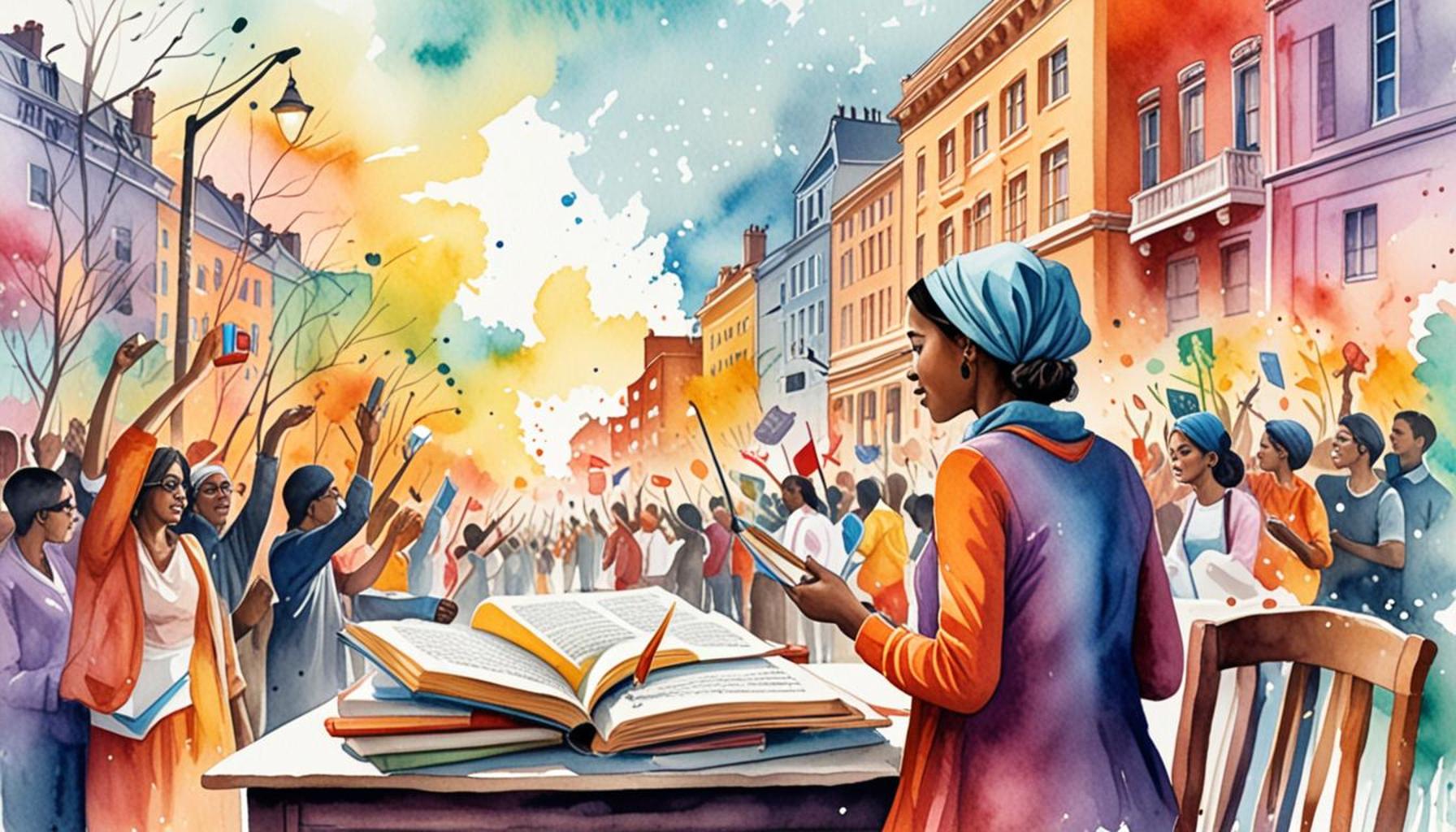
The Transformative Role of Literature
Throughout history, the enduring power of storytelling has profoundly shaped societies and influenced various movements across the globe. Literature serves not just as a medium of entertainment but as a catalyst for social change. Through the artful weaving of narratives that resonate deeply with the public, authors have the power to ignite a passion for activism and enhance awareness of pressing social issues.
Consider the impact of storied perspectives on societal movements. For instance, Harriet Beecher Stowe’s groundbreaking novel, “Uncle Tom’s Cabin,” published in 1852, illuminated the brutal realities of slavery in the United States. This poignant narrative stirred emotional responses among readers, ultimately playing a crucial role in fueling the abolitionist movement. Stowe’s work not only humanized enslaved individuals but also shifted public opinion, illustrating how literature can challenge the status quo and foster empathy.
George Orwell’s dystopian masterpiece, “1984,” published in 1949, provides a stark portrayal of totalitarianism that continues to resonate today. Orwell’s vivid depiction of a society under constant surveillance raises critical discussions about governmental control, privacy, and individual freedom. As recent debates surrounding data privacy and civil liberties gain prominence, “1984” serves as a vital reference point, reminding readers of the potential consequences of unchecked authority.
Similarly, contemporary writers like Rupi Kaur have leveraged poetry as an avenue for activism. In her collection “Milk and Honey,” Kaur delves into themes of feminism, trauma, and healing. Her candid exploration of personal and collective struggles resonates with many who feel marginalized, providing a voice to experiences often silenced in mainstream narratives. This accessibility encourages discourse and reflection, paving the way for a broader societal conversation about women’s rights and mental health.
The interplay between literature and activism is profoundly evident throughout various social movements in America, including those advocating for civil rights, environmental justice, and gender equality. Literary works serve as powerful tools for envisioning change, challenging readers to engage thoughtfully with complex issues. For example, novels such as “The Help” by Kathryn Stockett and “The Hate U Give” by Angie Thomas have inspired discussions around race relations and systemic inequality, highlighting the importance of diverse narratives in shaping public consciousness.

As society continues to evolve, so too does the relationship between literature and activism. Understanding this dynamic is essential for fostering an informed and engaged citizenry. By extracting insights from literary works, communities can grapple with injustices, cultivate empathy, and promote social change. Literature is more than just words on a page; it is a reflection of humanity’s struggles, aspirations, and the unyielding drive for a more equitable world.
DIVE DEEPER: Click here to learn how talent competitions impact musicians
Literature as a Mirror of Society
The relationship between literature and social change is one of profound significance, as narratives often reflect the societal values, struggles, and aspirations of their time. Through their ability to captivate audiences, authors can highlight injustices and prompt societal reflection that might otherwise go unnoticed. Literature brings to light stories of marginalized communities, providing a platform for voices that have historically been silenced. Whether through novels, poetry, or essays, these narratives compel readers to confront uncomfortable truths and inspire action toward remedying societal issues.
In particular, the works of American authors during pivotal moments in history illustrate the power of literature to provoke thought and influence social movements. The Harlem Renaissance of the 1920s, for example, gave rise to influential literary figures such as Langston Hughes and Zora Neale Hurston, whose writings spotlighted racial inequality and celebrated African American culture. Hughes’s poetry, particularly his piece “Let America Be America Again,” challenges the notion of the American Dream by illuminating the discrepancies between ideals and reality for many African Americans. This kind of literary activism helps to rally support for civil rights by encouraging readers to envision a more equitable society.
Moreover, literature serves not only as a reflection but as a critical tool in advocating change. The Women’s Rights Movement has been significantly shaped by feminist writers such as bell hooks and Margaret Atwood. Their works address issues ranging from gender inequality to the intersectionality of race and class, compelling readers to scrutinize societal norms. In Atwood’s “The Handmaid’s Tale,” for instance, the narrative articulates the dangers of a patriarchal society where women’s rights are stripped away, prompting discussions about reproductive rights and gender equality that persist to this day. Atwood’s dystopian vision serves as a cautionary tale, reminding society of the importance of vigilance in protecting freedoms.
Key Themes in Literature that Foster Activism
- Empathy and Humanization: Literature fosters empathy by portraying the lived experiences of individuals, encouraging readers to connect with those whose lives are different from their own.
- Social Justice Awareness: By highlighting systemic inequalities, authors can provoke critical discussions about justice and inspire readers to take action.
- Engagement in Political Discourse: Literature often prompts debates on pressing social issues, providing a platform for advocacy and engagement in political dialogues.
- Envisioning Alternatives: Many narratives imagine better futures and alternative realities, encouraging readers to aspire toward change rather than accept the status quo.
The role of literature in activism is increasingly recognized across various spheres, including educational institutions, grassroots organizations, and public policy initiatives. Workshops focusing on literary activism are becoming commonplace, aiming to utilize the written word as a means to empower communities and enact change. By incorporating literary studies into the curriculum and encouraging creative writing focused on social issues, educational systems can cultivate a generation of informed activist storytellers.
The undeniable synergy between literature and activism invites readers to explore not just the narratives themselves but also the broader contexts and implications. Ultimately, literature is not merely a reflection of society but a powerful instrument for challenging conventions and inspiring transformative social movements.
| Category | Details |
|---|---|
| Empathy Building | Literature fosters empathy by immersing readers in diverse experiences, making it a powerful tool for social awareness. |
| Cultural Reflection | Narratives often reflect societal issues, inspiring conversations that can challenge the status quo and promote change. |
The integration of literature and activism not only serves as a means to educate the public but also as a catalyst for societal transformation. Authors wield the power to shape perspectives and illuminate injustices through their storytelling. For instance, novels like “The Kite Runner” by Khaled Hosseini delve into the tumultuous history of Afghanistan, highlighting the implications of social issues such as class disparity and ethnic conflict.Moreover, contemporary social movements increasingly leverage digital platforms to share narratives that resonate with wider audiences. Social media campaigns often utilize succinct storytelling to amplify voices that have been historically marginalized, ensuring that their struggles gain visibility. Narratives created around movements such as #MeToo and Black Lives Matter not only raise awareness but also foster a sense of shared identity among individuals who may feel isolated in their experiences.This interconnectedness of literature and activism exemplifies how storytelling can provide not just a mirror reflecting societal flaws but also a blueprint for change. It compels readers to not only engage with the material but to also reflect and act upon the realities depicted within these narratives. Literature, therefore, becomes not just a representation of life but a call to action—one that invites readers to participate in the ever-evolving dialogue of social justice.
DISCOVER MORE: Click here to delve into the transformative power of art
Transformative Power of Literature in Fostering Change
In examining the intersection of literature and activism, one cannot overlook the immense potential of powerful narratives to reshape perceptions and drive social movements. As the art of storytelling transcends cultural and linguistic boundaries, literature becomes a conduit for diverse perspectives, allowing readers to engage with stories that challenge their preconceived notions. This engagement not only fosters a deeper understanding of complex social dynamics but also motivates individuals to join the pursuit of justice and equity.
A pivotal example of literature as a catalyst for activism is found in the realm of environmental justice. Writers such as Rachel Carson and her seminal work, “Silent Spring,” radically transformed public awareness about the environmental impacts of pesticides in the 1960s. Carson’s meticulous research and evocative prose not only revealed the ecological consequences of chemical use but also stirred a collective consciousness that led to the modern environmental movement. The book galvanized grassroots activism, underscoring how literature can serve as a vital tool in advocating for policy changes and increased environmental stewardship.
Moreover, literature reflecting the experiences of the LGBTQ+ community has played an instrumental role in advancing rights and acceptance. Authors such as James Baldwin and Toni Morrison have examined the intricacies of identity, love, and oppression through their narratives, inviting readers into the often painful yet empowering journeys of marginalized voices. Baldwin’s works, such as “Giovanni’s Room,” challenge societal norms surrounding sexuality and race, urging readers to reconsider their biases. Such literature not only fosters empathy but creates a sense of solidarity, inspiring readers to advocate for equality and rights for all individuals, regardless of sexual orientation or identity.
Literature as a Call to Action
- Empowerment through Storytelling: Narratives empower individuals by providing them with the language and framework to articulate their experiences and challenges, fostering collective action.
- Historical Contextualization: Literature allows readers to understand the historical and social contexts that shape contemporary issues, enabling deeper comprehension of ongoing struggles for justice.
- Interdisciplinary Connections: Literary works often intersect with political theory, sociology, and philosophy, broadening the discourse on social issues and promoting a multidisciplinary approach to activism.
- Cultural Preservation: Literature serves as a means of preserving cultural histories, ensuring that the narratives of marginalized communities are documented and passed down through generations, thus keeping the fight for justice alive.
As literary forms evolve and expand in the digital age, new platforms and mediums have emerged, enabling fresh narratives to reach wider audiences. Social media, blogs, and online publications provide spaces for emerging writers to share their stories and advocate for various causes, from racial justice to climate change. This democratization of storytelling allows for a more inclusive dialogue and fosters a sense of community among activists.
Furthermore, the influence of graphic novels and spoken word poetry as forms of activism has gained traction. Texts like “Persepolis” by Marjane Satrapi and the performances of artists like Sarah Kay showcase how visual and auditory storytelling can be equally compelling in conveying messages about social issues. These art forms provoke emotional reactions, leading to greater engagement and mobilization within communities.
By weaving together diverse experiences and provoking thought, literature serves not only as a chronicle of societal struggles but also as an essential tool for orchestrating real-world change. The narratives created by authors across genres remind readers that their voices hold potential power, encouraging them to advocate not just for themselves, but for the broader tapestry of humanity.
DISCOVER MORE: Click here to dive deeper
Conclusion: The Enduring Impact of Narrative on Social Advocacy
In our exploration of the dynamic interplay between literature and activism, it becomes evident that narratives play a critical role in shaping societal change. Through compelling storytelling, literature not only illuminates the struggles of marginalized communities but also inspires readers to transcend passive consumption. By engaging with diverse perspectives, literature cultivates empathy and fosters a sense of urgency around pressing social issues, from environmental advocacy to civil rights.
Moreover, the evolution of literary forms in the digital age has facilitated broader dialogues, allowing voices from all walks of life to contribute to the narrative landscape. As social media and various platforms continue to amplify these voices, the boundaries of activism expand, inviting fresh ideas and collaborations across disciplines. Initiatives that fuse literature with activism—whether through graphic novels, spoken word, or traditional prose—demonstrate the transformative power of creative expression in the quest for justice.
As we look ahead, the responsibility lies with both readers and writers to harness this potential. By actively engaging with stories that advocate for justice and equity, individuals can contribute to a culture of reflection and change. In this way, literature is not simply a backdrop to activism; it is a force that invigorates and propels the movement forward. The narratives we embrace today hold the promise of a more empathetic and just future, reminding us that the pen remains mightier than the sword, as we advocate for a world that values every voice in its rich tapestry of humanity.