The Impact of Pop Culture on Literary Creation: Influences and Contemporary Trends
The Influence of Pop Culture on Literature
The interplay between popular culture and literature has never been more pronounced in modern society. As global trends shift with unprecedented speed, literary works are increasingly reflective of, and influenced by, the myriad phenomena that characterize contemporary culture. This confluence has led to a vibrant tapestry that blends various elements of entertainment, social commentary, and innovative storytelling.
Writers today frequently draw inspiration from a wide array of pop culture sources. For instance, popular television shows like “Stranger Things” have not only rekindled interest in the aesthetics and narratives of the 1980s but have also inspired writers to create their own nostalgia-driven narratives. The blending of genres, such as horror and science fiction, seen in the series encourages novelists to explore similar themes, creating a rich intertextual dialogue.
Moreover, the impact of movies cannot be understated. The cinematic universe fostered by franchises like Marvel has seeped into literature, leading authors to adopt new storytelling techniques such as nonlinear narratives and interconnected story arcs. This shift is particularly evident in young adult fiction, where characters from different books sometimes interact, blurring the lines between standalone stories and a cohesive universe.
Music also plays a crucial role in shaping contemporary literature. The lyrical themes and personal storytelling found in songs by artists like Taylor Swift or Kendrick Lamar resonate deeply within modern poetry and prose. Their ability to convey complex emotional landscapes in a few verses inspires authors to articulate similar sentiments in their narratives, often allowing for deeper connections with readers who share these experiences.
Today’s readers are accustomed to recognizing familiar cultural touchstones, propelling authors to address significant societal issues present in popular culture. This has led to the emergence of critical themes of identity, where writers investigate personal and cultural identities within an increasingly diverse society. Works that delve into social justice matters, inspired by movements like the Black Lives Matter uprising, further exemplify this convergence. These narratives invite discussion and contemplation, challenging readers to engage with challenging societal issues. Additionally, the rapid pace of technological advancements has prompted writers to integrate elements of digital culture into their storytelling. Genres such as cyberpunk spotlight these technological interactions, illustrating how literature can reflect the intricacies of contemporary life.
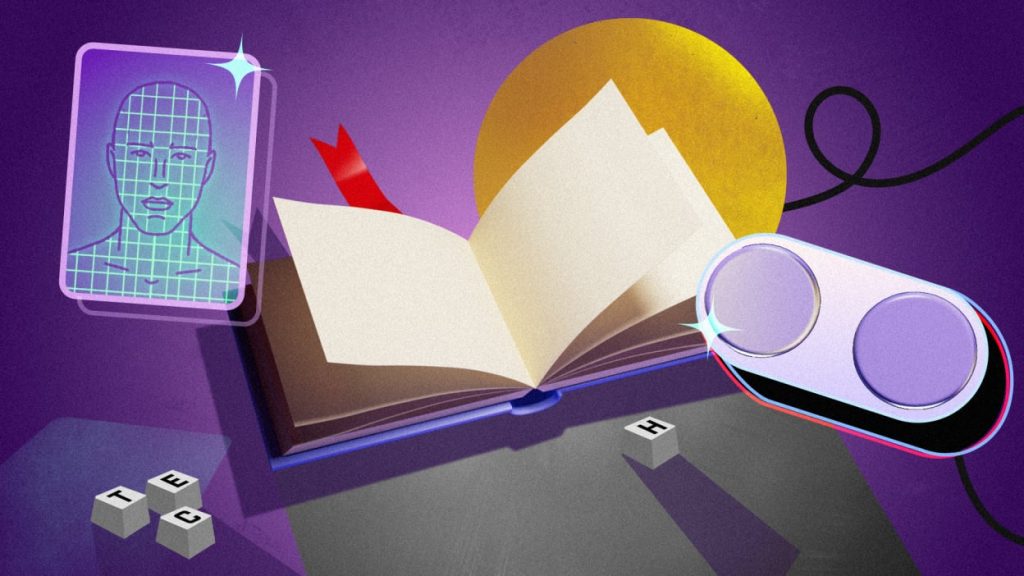
Understanding these influences allows us to appreciate the evolving dialogue between pop culture and literary creation. Each new wave of cultural phenomena spurs literary exploration, prompting authors to challenge conventions and embrace new styles. As we delve further into this topic, we will reveal how these influences manifest in contemporary works and consider their implications for the future of literature.
DISCOVER MORE: Click here to delve deeper
The Intersections of Pop Culture and Literary Themes
As the landscape of popular culture continues to evolve, it leaves a significant imprint on the themes and narratives explored in contemporary literature. This cultural osmosis not only enriches the literary experience for readers but also compels authors to remain relevant in a world driven by fast-paced trends, societal shifts, and technological advancements. The question arises: how do these cultural currents influence narrative choices and character development in literature?
One notable trend shaped by pop culture is the exploration of multiverse narratives, which have gained traction thanks to the success of comic book adaptations and science fiction franchises. In literature, authors like N.K. Jemisin and Neil Gaiman have embraced this narrative style, allowing for intricate plotlines that weave together various worlds and timelines. Such storytelling can be seen in works like “The City We Became” by Jemisin, where characters embody the very essence of New York City, reflecting not only individual identities but also the broader cultural context within which they exist.
Moreover, the representation of social media in storytelling has added a modern twist to character interactions and plot development. Novels like “The Hate U Give” by Angie Thomas illustrate how social media serves as a platform for activism and personal expression. This connection presents a dual layer, one that reflects the immediacy of digital communication while simultaneously inviting profound conversations about race, identity, and justice in today’s society.
Additionally, audiences are increasingly drawn to characters who mirror their own realities—a phenomenon intertwined with the rise of diversity in literature, largely fueled by pop culture’s emphasis on representation. This increased focus has led to a surge in stories from varied cultural backgrounds, satisfying readers’ desires for authentic narratives. Books like “Cemetery Boys” by Aiden Thomas and “The Kiss Quotient” by Helen Hoang reflect this movement, allowing readers to navigate themes of love, identity, and belonging through diverse perspectives.
- Realism vs. Fantasy: The blend of realistic settings with fantastical elements, as popularized by series like “The Witcher,” encourages authors to create immersive worlds that captivate readers.
- Genre Fusion: The merging of genres, such as horror with romance in R.L. Stine’s recent works or the combination of mystery with adventure in “The Magicians” by Lev Grossman, showcases the endless possibilities for narrative exploration.
- Interactive Storytelling: The influence of video games on literature, where authors experiment with interactive formats or choose-your-own-adventure narratives, exemplifies how literature adapts to modern consumption trends.
This intersection between pop culture and literary creation prompts authors to engage with contemporary concerns—be it environmental challenges, mental health issues, or the complexities of interpersonal relationships. The result is a dynamic literary landscape where the lines between different cultural mediums increasingly blur, offering readers a more enriched understanding of the world around them.
As we explore this fascinating relationship further, it becomes essential to recognize how writers are not only inspired by pop culture but also respond to it, shaping narratives that resonate with a generation eager for connection and meaning. This ongoing dialogue not only enriches literature but also cultivates a more profound appreciation for the stories that capture the essence of our times.
When examining the impact of pop culture on literary creation, it is essential to recognize its multifaceted nature. Contemporary trends often reflect a fusion of traditional storytelling with modern elements, making literature more accessible and relatable to today’s audiences. One prominent influence comes from the proliferation of visual media, including movies, television, and social media platforms. These channels shape narrative styles and character archetypes commonly found in literature, as authors strive to engage readers who have been conditioned to expect fast-paced, visually rich experiences.Furthermore, the intertextuality between literature and pop culture is profound. Authors frequently draw inspiration from popular music, video games, and viral internet trends. For instance, the rise of dystopian narratives can be traced back to contemporary fears and societal issues reflected in popular television series and films. This blending of genres not only appeals to diverse audiences but also provides a fresh lens through which to explore complex themes such as identity, power, and societal norms.Another significant aspect is the democratization of storytelling enabled by modern technology. Emerging voices, previously marginalized in traditional literary circles, can now easily share their narratives through self-publishing and digital platforms. This development encourages a broader representation of perspectives in literature, ultimately enriching the literary landscape. Exploring themes of race, gender, and sexuality through the framework of pop culture trends, these new authors challenge preconceived notions while pushing the boundaries of literary convention.Literature has invariably been a mirror reflecting cultural phenomena. As such, the continuous dialogue between literature and pop culture will persist, shaping the future of narrative construction. Readers are thus invited to explore this dynamic interplay further, discovering the myriad ways in which popular influences inform and inspire contemporary literary creation. Within this evolving landscape, it is vital for both authors and readers to remain cognizant of the trends driving these changes, leading to an enriched literary experience that resonates with the spirit of our times.
| Category 1 | Category 2 |
|---|---|
| Cultural References | Incorporation of movies, music, and social media into narratives. |
| Diverse Representation | Increased visibility for underrepresented voices in literature. |
DISCOVER MORE: Click here to expand your creativity
Contemporary Voices: The Role of Genres in Shaping Narratives
The influence of pop culture on literary creation extends beyond merely thematic elements; it fundamentally reshapes entire genres, allowing for innovative storytelling techniques that capture the zeitgeist of modern society. As genres evolve, they become a canvas on which authors paint compelling narratives that directly respond to popular trends, technology, and the collective experience of readers.
One of the most significant shifts has been in the realm of young adult (YA) literature, where the intersections of pop culture and literature are vividly on display. The success of franchises such as “The Hunger Games” and “Harry Potter” has paved the way for a new wave of storytelling focusing on resilience, identity, and socio-political commentary. Books like “The Hate U Give” have transcended traditional storytelling, catalyzing discussions around race, privilege, and activism in the younger generation. This genre’s ability to address pressing societal topics while maintaining an adventurous spirit exemplifies how pop culture narratives can be leveraged to engage and educate.
In the realm of speculative fiction, authors like Octavia Butler and more recently, Rebecca Roanhorse, utilize elements of pop culture to weave together relevant social issues and futuristic landscapes. Themes of climate change, immigration, and technology’s rapid advancement are becoming increasingly common in their narratives, reflecting concerns that resonate with contemporary audiences. Speculative fiction serves both as a mirror and a magnifying glass, challenging readers to envision futures shaped by the very challenges we face today.
Graphic novels and comic books also exemplify the convergence of pop culture and literature, as they push the boundaries of expression and storytelling through visual art. Cult favorites like “Saga” by Brian K. Vaughan and Fiona Staples have garnered immense popularity for their inventive plots and deep character explorations while reflecting modern dilemmas around race, sexuality, and parenthood. The rise in popularity of graphic literature not only demonstrates a shift in reading preferences but also showcases how text and imagery can intertwine to engage diverse audiences.
- Intertextuality: The practice of referencing or incorporating elements from various cultural texts—be it movies, music, or other literature—creates a rich tapestry of meaning within contemporary works. Authors like Tom Robbins and Haruki Murakami often layer their narratives with connections to other pop culture phenomena, playing with readers’ shared knowledge of these references.
- Fandom Cultures: The growth of fandom communities has altered author-reader interactions, where dedicated fans often influence narrative directions through online discussions and fan fiction. This interplay encourages writers to consider their audience’s desires and engage in a collaborative storytelling process.
- Serialized Storytelling: The fragmentation of attention spans in the pop culture era has popularized serialized storytelling, evident in episodic podcasts and web-based narratives. Writers not only adapt to this structure by creating cliffhangers and continuous arcs but also leverage platforms like Wattpad for real-time feedback from readers.
Ultimately, the infusion of pop culture into literary creation reshapes not only the content but also the very means by which narratives are structured and delivered. With each turning page, readers find themselves navigating intricate worlds that reflect their own experiences while resonating with global themes. This literary renaissance, influenced heavily by contemporary cultural dynamics, invites a plethora of voices to the forefront, ensuring that literature remains as diverse and complex as the society that inspires it.
Dive deeper: Click here to discover the power of music in groups
Conclusion: A Dynamic Intersection of Literature and Pop Culture
As explored throughout this article, the interplay between pop culture and literary creation is an evolving landscape that is reshaping how stories are told and received. The emergence of genres such as young adult literature and speculative fiction exemplifies the transformative power of contemporary influences, with authors harnessing societal themes to construct narratives that resonate deeply with today’s audiences. Through these genres, literary works serve not only as entertainment but also as platforms for essential discussions about identity, activism, and the implications of modern technology.
Moreover, the integration of intertextuality and the rise of fandom cultures further illustrate how literature is adapting to a society steeped in pop culture references. Writers are now responding to, and often anticipating, the desires of their dedicated readers, resulting in a collaborative storytelling experience that enhances engagement. The popularity of serialized storytelling, driven by the fast-paced nature of digital consumption, indicates a significant shift in how narratives are structured, providing immediate accessibility and interaction.
Ultimately, the impact of pop culture on literary creation transcends mere thematic influences—it’s about innovation, connection, and reflection. As literature continues to mirror cultural dynamics while also pushing boundaries, it remains vital to engage with these contemporary trends. By understanding this dynamic intersection, readers can appreciate not only the stories on the page but also the cultural conversations they inspire, urging us all to explore further the profound implications of pop culture in shaping the narratives of our time.