The role of music in building social networks and friendships during adolescence
Understanding the Role of Music in Adolescent Social Dynamics
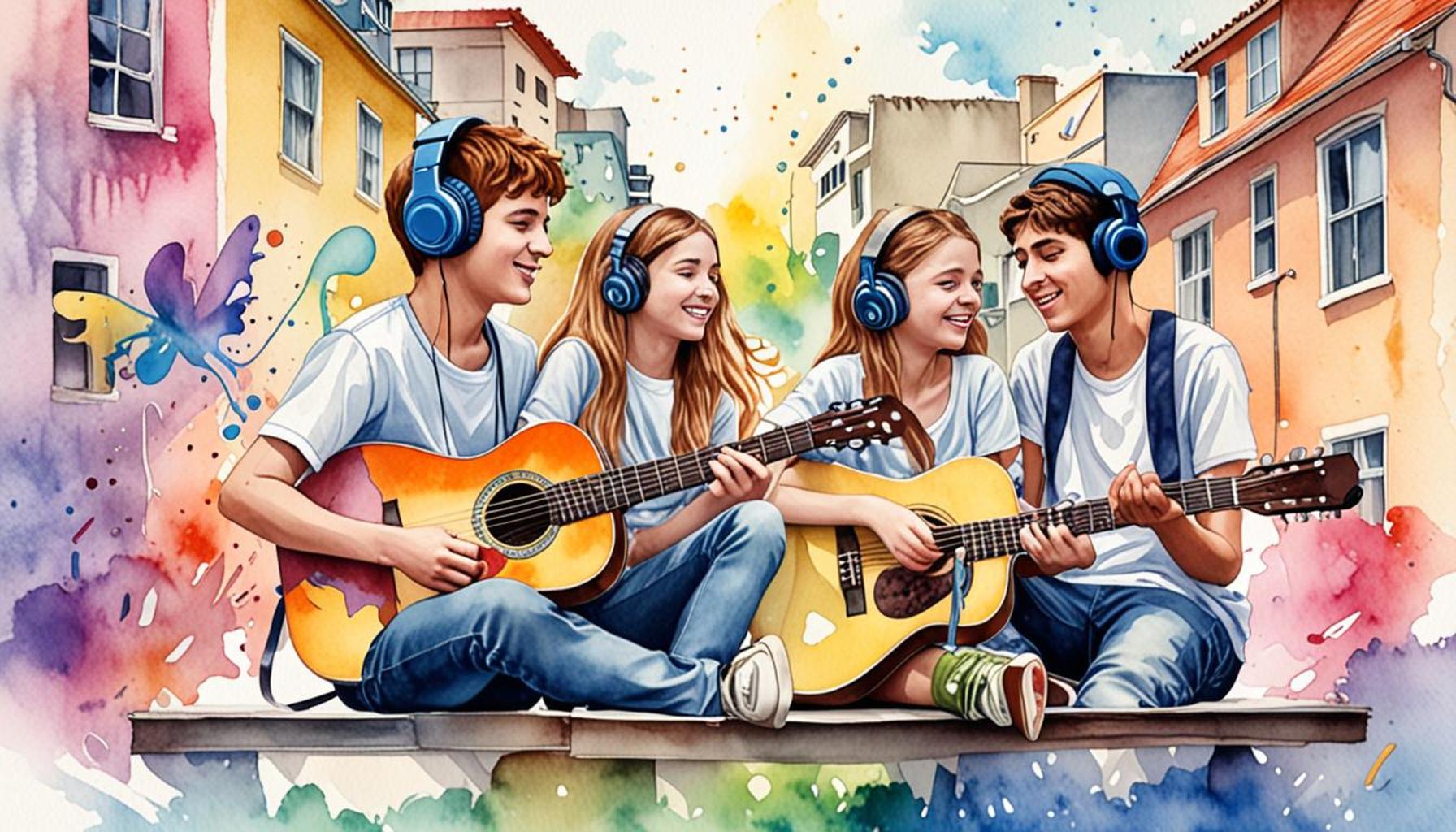
Music acts not just as a backdrop to daily life, but more significantly as a vibrant catalyst for social connections during the teenage years. This is especially critical in adolescence, a time characterized by intense social exploration and identity formation. The way music serves as a universal language speaks volumes about its ability to forge friendships and foster a sense of belonging among young people.
- Shared experiences: Concerts, local gigs, and music festivals like Coachella and Lollapalooza provide vibrant communal experiences. For many teens, attending such events with friends becomes a rite of passage. These shared experiences not only create lasting memories but also allow adolescents to connect over achieving common thrills—like singing along to their favorite artists or dancing to upbeat tracks.
- Social identity: The variety of music genres available enables adolescents to experiment with their identities. For instance, being part of the “emo” subculture can shape a teen’s sense of self, offering them a group to bond with over specific artists or styles of music. This connection can lead to deep friendships, strongly rooted in shared musical tastes and mutual understanding of the emotive themes presented in those genres.
- Online communities: In today’s digital age, platforms such as Spotify and TikTok serve as vast connecting tools for teens. They not only share playlists, but also engage with trends, like viral hits and dance challenges, which can boost interaction among peers. These platforms create an environment where teens can easily find others with similar tastes, further solidifying connections that may lead to offline friendship.
The impact of music on teen friendships is profound and multifaceted. Discussing song lyrics can lead to deeper conversations about feelings, experiences, and challenges. For instance, a teenager might resonate with a particular song about heartbreak, using it as a bridge to open discussions with friends who have gone through similar experiences. Moreover, DIY playlists created for friends can serve as thoughtful gestures that strengthen social bonds, highlighting the intricate ways music can be interwoven into interpersonal relationships.
Furthermore, the emotional landscape during adolescence can be turbulent, with music providing a soundtrack that alleviates isolation. Numerous studies have shown that music can enhance communication, fortify feelings of belonging, and cultivate an environment ripe for collaboration among peers. This interplay not only nurtures friendships but also aids in shaping social skills as teens learn to navigate group dynamics through the lens of shared musical interests.
By examining the integral role of music in shaping social networks and friendships during adolescent years, we gain invaluable insight into the adolescent experience. This exploration encourages us to view music as a powerful medium through which young people connect, express themselves, and ultimately thrive as they navigate the complexities of growing up. The knowledge of how music influences social interactions invites parents, educators, and communities to appreciate and support this invaluable aspect of teen life.
DISCOVER MORE: Click here to uncover the future of music talent
The Power of Music as a Social Connector
Music transcends mere entertainment; it serves as a critical component in building social networks and friendships during adolescence. As teens navigate their formative years, the influence of music on their interactions cannot be overstated. From creating emotional landscapes to aligning identities, music acts as a bridge that connects young individuals in ways that other mediums often cannot.
One of the most powerful aspects of music is its ability to create shared experiences that foster connection. Adolescents flock to concerts, festivals, and local music scenes, seeking camaraderie and a sense of belonging. The collective exhilaration of attending a live performance ignites bonds between friends, turning casual acquaintances into lifelong companions. For instance, groups of teens often recount their memories of attending a concert together, singing their hearts out to a shared favorite band. These experiences solidify friendships, serving as points of reference in their social journeys.
Moreover, music plays a significant role in shaping social identity among adolescents. The diverse array of genres available allows teenagers to experiment with different styles, aligning themselves with particular cultures or subcultures that resonate with their self-image. For example, a teen who identifies with the punk rock scene may form bonds with others who appreciate the same emotional intensity in the music. This shared musical taste not only contributes to a sense of community but also helps adolescents articulate their emotions and values, often leading to stronger, more meaningful friendships.
- Music Genres and Identity: Genres such as hip-hop, pop, country, and indie rock can play pivotal roles in adolescent identity formation.
- Shared Playlists: Curating playlists for friends can elevate friendships, allowing teens to express affection and understanding through music.
- Collaborative Engagement: Music-related activities, such as forming garage bands or participating in school choirs, provide opportunities for collaboration, enhancing social bonds.
In an age driven by digital interaction, online platforms have transformed how teens connect through music. Social media sites like TikTok, Instagram, and Spotify offer teens a space to share their musical preferences and discover new artists, further strengthening their social networks. For instance, viral trends that arise from specific songs often lead to group participation in challenges, sparking conversations and connections among peers. These online communities not only foster friendships but also allow teens to explore various cultural expressions, enhancing their understanding of diversity and inclusion.
Furthermore, discussions surrounding lyrics and musical themes can lead to deeper conversations about personal experiences, emotions, and issues faced during adolescence. As teens relate to lyrics about heartbreak, friendship, or resilience, they find commonality in their struggles, which strengthens their ties with one another. Creative expressions, such as sharing original songs or participating in songwriting, also nurture collaborative skills that are vital for developing lasting friendships.
As the adolescent experience unfolds, the pivotal role of music in building social relationships becomes increasingly apparent. By giving voice to their emotions and passions, teens not only forge friendships but also lay the foundations for their emerging identities in this complex stage of life. Understanding music as a vital element in social connectivity can help parents, educators, and communities appreciate its profound impact during these formative years.
| Category | Characteristics/Benefits |
|---|---|
| Shared Experiences | Music provides a common ground for adolescents, allowing them to bond over shared tastes and experiences, enhancing friendship-building. |
| Social Identity | Through musical preferences, teens express their individuality and collectivity, which further strengthens their social ties and networks. |
The influence of music as a cultural and social phenomenon during adolescence cannot be overstated. In a period where identity is constantly being formed, teenagers often utilize music as a tool to define who they are and who they wish to connect with. The concept of shared experiences becomes profoundly significant, as groups of friends often forge deeper relationships by attending concerts, sharing playlists, or discussing favorite artists. Through these activities, the bonds formed are more robust and have lasting impacts on social interactions.Moreover, adolescents utilize their musical preferences to create social identities. This social categorization not only influences their peer choices but also provides them with a sense of belonging. By aligning themselves with certain music genres or scenes, they construct networks that further enhance their friendships, leading to greater emotional support and personal growth during these formative years. This dynamic aspect of music serves as a vital pathway for adolescents to navigate their increasingly complex social worlds.
DIVE DEEPER: Click here for more insights
The Digital Soundscape and its Influence on Friendships
In today’s interconnected world, the influence of music on building social networks and friendships among adolescents is amplified by the digital landscape. As teens engage with music in an online setting, they are not only consuming content but are also actively participating in the creation of a vast musical community. This phenomenon is reshaping how relationships are formed, nurtured, and sustained.
Streaming platforms like Spotify and Apple Music have revolutionized the way adolescents discover and share music. Within these platforms, features such as collaborative playlists and personalized sharing options allow teens to curate their musical preferences alongside friends, fostering deeper connections. For instance, when a teen invites friends to collaborate on a playlist titled “Summer Jams,” it encourages open communication and collaborative creativity, enhancing friendships through shared musical tastes. This act of sharing music becomes an essential bonding ritual that reflects their camaraderie.
Moreover, social media has emerged as a catalyst for music-driven interactions. Platforms such as TikTok have changed the way musical trends disseminate and are consumed. Viral songs often lead to massive participation in dance challenges or lip-syncs, creating new opportunities for adolescents to connect over shared interests. Teens who engage in these trends often find themselves forming friendships based on mutual enjoyment of particular music, which transcends geographical boundaries. For example, a dance craze originating from a viral pop song can connect teens from different states, sparking friendships that might not have existed otherwise.
Additionally, fan culture surrounding artists and music genres plays a significant role in friendship formation. Teenagers often gravitate toward fan communities for their favorite bands, sharing a passion that fosters a sense of belonging. These fandoms can serve as safe spaces where adolescents can express their admiration and support for artists, converting shared enthusiasm into friendships. For example, fandom events such as Live-Stream Watch Parties for album releases or fan forums dedicated to discussing merchandise can cultivate friendships between fans who unite around their love for a particular artist.
- Music as Communication: Songs often serve as a medium for expressing feelings that may be difficult to articulate, helping teens gauge emotional states within their friend circles.
- Cultural Exchange: Music introduces students to diverse genres and traditions, broadening their horizons and forming intercultural friendships amongst peers from various backgrounds.
- Collaborative Projects: School projects like music events or talent shows provide platforms for teens to showcase their musical abilities, often resulting in lasting friendships built around shared accomplishments.
Furthermore, research has indicated that adolescents who share similar musical preferences exhibit stronger social connections and communication patterns. This connection is particularly potent during moments of emotional distress or transition, where music serves as comfort and solace. When teens listen to songs that resonate with their feelings, they often reach out to friends to share their sentiments, fostering vulnerability that deepens relationships. This emotional exchange can create a strong foundation for trust and understanding within friendships.
As music continues to intertwine with the social tapestry of adolescence, the exploration of its impact on friendship dynamics offers valuable insights for parents and educators. Understanding that music is more than mere entertainment underscores its role as a pivotal element of social development during these crucial years. By recognizing the significance of shared musical experiences, communities can support teens in leveraging their love for music to build meaningful connections that extend beyond the digital realm.
DIVE DEEPER: Click here to uncover the transformative power of art
Conclusion
In conclusion, the role of music in building social networks and friendships during adolescence cannot be overstated. As young people navigate the often tumultuous waters of early adulthood, music emerges as a vital connector—a universal language that transcends barriers and fosters relationships. From streaming platforms that facilitate collaborative playlists to social media trends that engender shared experiences, music creates a rich tapestry of social interactions that enhance the adolescent experience.
Moreover, the significance of fan culture cannot be overlooked. Shared passions for artists and genres enable teens to find belonging within communities, often becoming crucial support systems as they face life’s challenges. Whether it’s expressing emotions through lyrics or bonding over viral dance challenges, music shapes the way friendships are formed, deepened, and nurtured.
As we look to the future, it is essential for parents, educators, and community members to recognize music as more than just a form of entertainment; it is an essential social tool that contributes to emotional well-being and personal development. Encouraging adolescents to engage with music—in all its forms—can lead to meaningful connections that extend beyond the confines of our digital landscape. Thus, the exploration of music’s influence on social dynamics provides fertile ground for fostering interpersonal relationships that enrich the lives of teenagers during these formative years.