Sustainable Crafting Explore Creative Recycled Materials Techniques

Introduction
In recent years, the trend of incorporating sustainability into artistic expressions has gained considerable momentum. Many individuals are now recognizing the value of creative hobbies that not only allow for personal expression but also contribute positively to the environment. Using recycled materials in craft projects not only reduces waste but also inspires innovative techniques and unique creations.
As the world increasingly focuses on ecological responsibility, the realm of sustainable crafting has emerged as a significant avenue for artists and hobbyists alike. Some compelling reasons to explore this approach include:
- Environmental impact: Reducing resource consumption by utilizing materials we already have.
- Cost-effectiveness: Finding creative use for everyday items can save money.
- Skill development: Experimenting with various materials enhances creativity and problem-solving skills.
In this article, we will delve into the world of sustainable crafting and unveil the Top 5 Techniques that will transform how you think about materials. Prepare to be inspired as you discover innovative ways to turn the ordinary into the extraordinary!
Exploring Sustainable Craft Techniques: How to Create with Recycled Materials
Crafting has always served as a powerful medium for expressing creativity, allowing individuals to transform their ideas into tangible works of art. However, in today’s rapidly changing world, it’s essential to also consider our environmental footprint. By incorporating sustainable practices through the use of recycled materials, crafting not only becomes a creative pursuit but also an eco-conscious endeavor. This article outlines the top 5 techniques for crafting with recycled materials, demonstrating how these practices reduce waste while inspiring remarkable and innovative creations. Let’s embark on a journey through the world of sustainable crafting, ranked from 5 to 1!
5. Upcycled Furniture: Transforming the Old into New
Upcycled furniture is a perfect example of turning something seemingly useless into something valuable and functional. In a society where consumerism often leads to discarded items, upcycling provides an opportunity to breathe new life into neglected furniture, ultimately reducing landfill contributions. Imagine taking an old, worn-out chair and giving it a new lease on life with a fresh coat of paint and some creative embellishments.
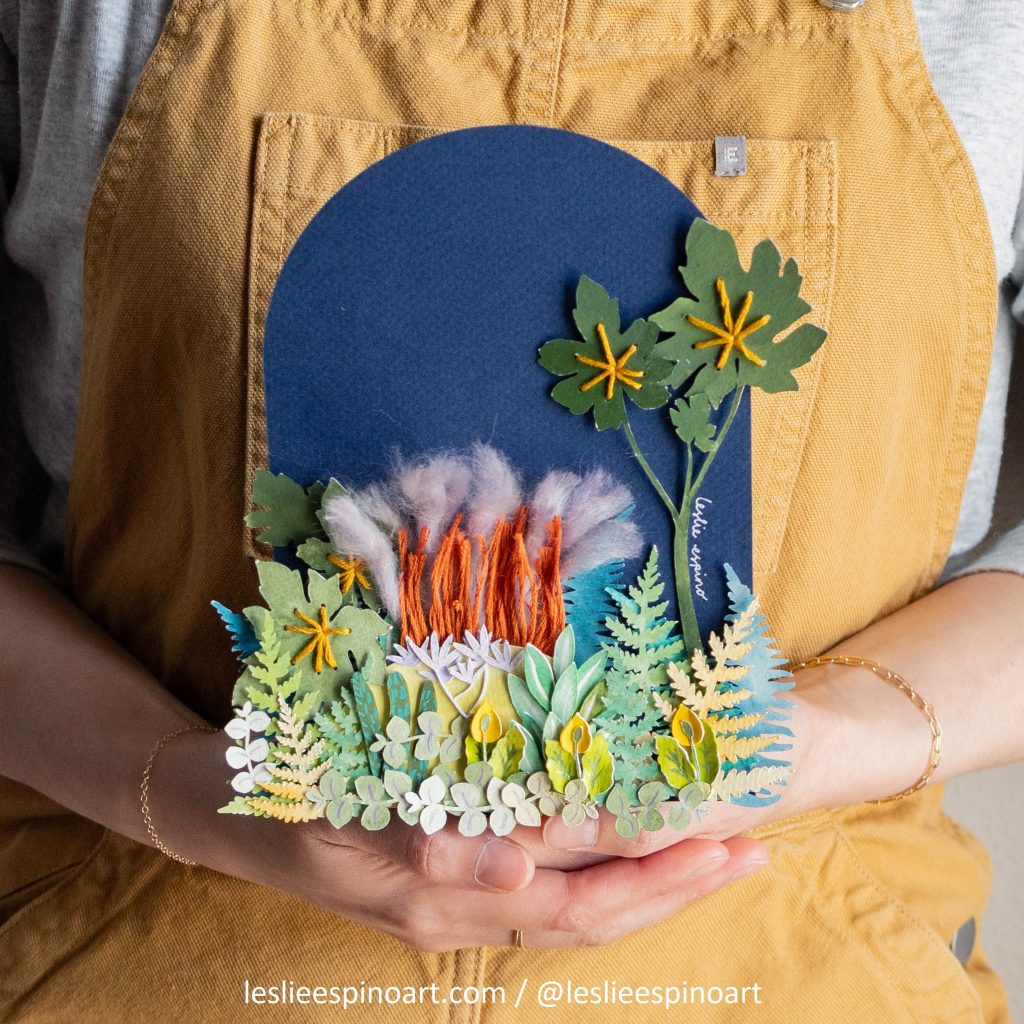
The possibilities are endless when it comes to upcycling furniture. For beginners, you might start with manageable projects like:
- Refinishing wooden chairs: Sand them down and apply a new stain or paint to match your home decor.
- Creating a coffee table: Use wooden pallets as your base to achieve a rustic, industrial look.
- Transforming crates into storage: Stack crates, paint them in vibrant colors, and turn them into unique storage solutions.
Such projects not only enhance the aesthetic appeal of your home but also contribute significantly to reducing landfill waste. They offer a personalized touch, allowing your living space to reflect your unique style and values. The satisfaction of turning something old into something new and functional is immeasurable and promotes the philosophy of sustainability.
4. Paper Mâché: Crafting with Paper Waste
Paper mâché is a beloved technique with roots tracing back centuries. It allows for creative expression while reducing paper waste—an ever-present environmental concern. This versatile medium can be used to create everything from intricate sculptures to playful masks, offering endless opportunities to engage with recycled materials.
The process of working with paper mâché is straightforward yet profoundly effective. Here’s how you can start:
- Prepare your paper: Gather old newspapers or any paper waste, and tear them into strips.
- Create your paste: Mix flour with water to achieve a glue-like consistency—this paste is both cost-effective and eco-friendly.
- Start crafting: Layer the paper strips over a form (such as a balloon or a cardboard structure) until the desired thickness is achieved.
This technique is an ideal starting point for those new to sustainable crafting. It requires minimal materials, is extremely budget-friendly, and offers a wide scope for creativity. Whether you choose to create a piece of home decor or an expressive figure, the results can be both surprising and rewarding.
3. Fabric Scraps: Sewing with Purpose
With the fashion industry under scrutiny for its environmental impact, reimagining the use of fabric scraps has become increasingly important. Fabric waste is a significant issue in the textile industry, and by repurposing fabric remnants, we can reduce this waste and create beautiful, practical items.
Here are some inspiring ideas for using fabric scraps:
- Quilts: Piece together fabric remnants to create unique, patchwork quilts. Each piece tells a story and adds to the charm.
- Reusable bags: Sew pieces of fabric into sturdy, multi-use bags, perfect for grocery shopping or carrying daily essentials.
- Coasters and monde: Craft these small yet effective home decor items by combining different textures and colors.
Engaging in these projects not only contributes to environmental sustainability but also enhances your sewing skills, paving the way for heirloom-quality creations. These projects can be deeply rewarding and are a testament to creativity and resourcefulness.
2. Bottle Cap Art: Small Pieces, Big Impact
Bottle caps, though often overlooked, can become vibrant and intriguing elements of art. This technique exemplifies how everyday objects can transform into whimsical and engaging visual pieces, contributing to both creativity and sustainability.
To get started with bottle cap art, you’ll need an assortment of bottle caps and a base material, such as a wooden board or canvas. Consider these project ideas:
- Wall mosaics: Arrange bottle caps in intricate designs or even replicate famous artworks for an engaging conversation piece.
- Garden decorations: Paint and affix bottle caps to stakes, bringing colorful and playful elements to your garden.
- Hangable art: Combine bottle caps and twine to create unique wall hangings.
This technique transforms how we perceive waste, turning it into art that stimulates the imagination and highlights the endless potential of recycled materials. It calls into question what is considered waste and invites us to see beauty in the mundane.
1. Eco-Friendly Jewelry: Love What You Wear
Eco-friendly jewelry crafting merges fashion with sustainability, giving life to discarded materials in the form of beautiful accessories. In an age where jewelry and fashion are often synonymous with consumption, creating jewelry from recycled materials is a refreshing change that infuses ethics with aesthetics.
The initial steps toward crafting recycled jewelry can be as simple as:
- Beaded masterpieces: Upcycle buttons, beads, or even small plastic pieces into charming necklaces or bracelets.
- Wire-wrapped creations: Use scrap wire from old electronics or other sources to craft intricately wrapped designs.
- Metal transformation: Reimagine everyday metal objects or finds into wearable art.
This form of crafting celebrates both sustainability and individuality. By choosing recycled jewelry, you make a statement about your values and add a unique touch to your personal style. It encourages others to rethink fashion, not merely as an aesthetic decision but as a lifestyle choice favoring sustainability.
The world of sustainable crafts is broad and inviting. Through upcycled furniture, paper mâché, fabric scrap projects, bottle cap art, and eco-friendly jewelry, the possibilities are limitless. Each technique not only aids in waste reduction but also empowers individuals to think creatively and resourcefully. The journey to a more sustainable life can start with something as simple as a craft project—urge yourself to think deeper. What will you create next? The possibilities are endless when sustainability meets creativity!
As we delve deeper into the world of sustainable crafting, it becomes increasingly important to understand the various categories that exemplify the advantages of using recycled materials. The following table outlines these categories while highlighting their significance in the realm of sustainable arts and crafts.
| Category | Description |
|---|---|
| Upcycling | The process of transforming unwanted items into new products, often enhancing their value. |
| Eco-Friendly Materials | Utilizing materials that are biodegradable or derived from sustainable practices, reducing environmental impact. |
| Community Engagement | Encouraging local communities to participate in sustainable crafting, fostering a sense of collaboration and shared responsibility. |
| Cost-Effectiveness | Creating beautiful crafts from recycled materials often requires less financial investment, making art accessible to everyone. |
Each category encapsulates a different facet of sustainable crafting, inviting creators to explore new possibilities. For instance, **upcycling** not only redefines discarded items but transforms the creator’s approach to resourcefulness. This technique has gained popularity for its innovative spirit, pushing artists to see potential in what others view as waste.Moving on, the use of **eco-friendly materials** reinforces a commitment to a cleaner planet. By choosing biodegradable or sustainably sourced resources, craftspeople actively contribute to reducing landfill waste. This choice not only champions sustainability but also educates consumers about the significance of their material choices.The realm of **community engagement** through sustainable crafting unites individuals with similar values, creating collaborative projects that inspire collective action. Participating in workshops or community events can open doors to sharing techniques, ideas, and even forming lasting friendships around the cause of sustainability.Lastly, the **cost-effectiveness** of recycled materials can’t be overlooked. Crafting with what is readily available in one’s home or community significantly lowers production costs. This accessibility empowers people from varied socioeconomic backgrounds to unleash their creativity without the burden of financial constraints.By exploring these categories, individuals can better appreciate the multifaceted advantages of creating with recycled materials, catalyzing a movement towards responsible artistry and ecological stewardship.
Frequently Asked Questions about Sustainable Crafting Techniques
What are some popular recycled materials used in sustainable crafting?
Recycled crafting relies heavily on the creativity of the artist and the availability of materials. Commonly used items include plastic bottles, glass jars, old newspapers, fabric scraps, and used wood pallets. These everyday objects can be transformed into functional or decorative pieces, demonstrating the versatility and potential of what is often considered waste.
How can crafting with recycled materials benefit the environment?
Engaging in crafting with recycled materials offers a double benefit: it reduces the waste sent to landfills and lowers the demand for new materials. By creating art out of recyclables, crafters are not only giving these items a second life but also promoting sustainability. This practice contributes to the conservation of resources and diminishes the carbon footprint associated with the production and disposal of new goods.
Can sustainable crafting be cost-effective?
Absolutely! Sustainable crafting can be significantly cost-effective as it often utilizes free or inexpensive recycled materials. This not only helps in reducing the cost of raw materials but also encourages resourcefulness and innovation. Many find that they save money while also supporting a more sustainable lifestyle.
What are some beginner-friendly sustainable crafting projects?
For those new to sustainable crafting, it’s best to start with simple projects. Some ideas include creating decorative candle holders from glass jars, designing tote bags from old t-shirts, or assembling planter boxes from wooden pallets. These projects require minimal tools and skills, while providing a sense of achievement and creativity boost.
Is it possible to make a business out of sustainable crafting?
Indeed, sustainable crafting can transition from a hobby to a thriving business. With an increasing demand for eco-friendly products, artisans who produce unique, environmentally conscious pieces can tap into a niche market. Focus on creating high-quality items and establishing an online presence to showcase and sell your creations. This not only promotes sustainability but also highlights the value and craftsmanship of upcycled products.
Conclusion: Unlocking the Potential of Sustainable Crafting
In an era where environmental mindfulness is more critical than ever, exploring sustainable crafting techniques with recycled materials emerges as a meaningful and creative pursuit. Throughout this article, we’ve delved into the transformative power of marrying artistry with eco-consciousness. By embracing principles of sustainability, crafters can engage in creative hobbies that not only yield unique and beautiful items but also contribute positively to our planet.
Key Takeaways
- Innovative Materials: Crafters can explore a world of possibilities by repurposing everyday items such as glass bottles, fabric scraps, and cardboard, turning potential waste into artistic treasures.
- Sustainable Techniques: Learning methods such as upcycling, zero-waste crafting, and natural dyeing not only enhances skill sets but also reduces environmental impact.
- Community Engagement: Sharing knowledge and resources through workshops or online platforms can build a supportive community of eco-conscious creators, fostering collective growth and inspiration.
- Mindful Creativity: Incorporating sustainability into crafting encourages individuals to think critically about resource consumption and develop a deeper appreciation for the materials they work with.
- Positive Environmental Impact: Every recycled creation helps reduce waste, conserve natural resources, and promote a culture of sustainability in creative industries.
Sustainable crafting is more than a trend; it is an evolving movement that empowers individuals to express creativity while championing environmental stewardship. For those passionate about creative hobbies, adopting these eco-friendly practices offers a profound way to make an impact. As artisans and hobbyists continue to explore and innovate, they pave the way toward a more sustainable and aesthetically enriched future.