Artistic Expression Techniques for Beginners Explore Creativity
Unlocking Your Creative Potential
Embracing creative hobbies can be a transformative journey, enhancing not just artistic skills but overall well-being. For beginners, the world of artistic expression can feel overwhelming, with countless avenues to explore. The good news? You don’t have to be an expert to start; everyone has a spark of creativity waiting to be ignited.
Artistic expression techniques serve as a bridge to unleash your inner artist, whether you lean towards painting, drawing, writing, or crafting. These techniques not only foster self-expression but also help in improving focus and relieving stress. With the ever-growing interest in arts and crafts, now is the perfect time to dive into various mediums and styles.
What to Expect
This article will introduce you to the Top 5 techniques for artistic expression that are ideal for beginners. Each method will offer a glimpse into how you can cultivate your creativity and discover new passions. Prepare to explore diverse tools and approaches that will enrich your artistic journey.
Top 5 Artistic Expression Techniques for Beginners: Exploring Creativity Through Different Mediums
Artistic expression is a profoundly personal journey, offering a myriad of ways to channel and express one’s creativity. Whether you’re finding solace in the tranquility of watercolor painting or diving into the layered textures of mixed media, art can be both a refuge and a revelation. For beginners eager to explore their artistic potential, there’s a world of techniques waiting to be discovered. From time-honored practices to modern innovations, the realm of creative pursuits is expansive and inviting. In this exploration, we delve into the top five artistic expression techniques to help budding artists unlock their creativity and revel in the joy of creation. Embark on this journey with us as we unveil these captivating mediums.
5. Collage: Assembling Your Imagination
Collage is an intriguing technique that effortlessly blends simplicity and creativity, making it ideal for beginners. At its heart, collage involves the artful arrangement of disparate materials—such as magazine clippings, newspaper cutouts, fabrics, and personal photographs—into a cohesive whole. The result is a form of art that is both personal and accessible, demanding little more than an eye for composition and a penchant for experimentation.
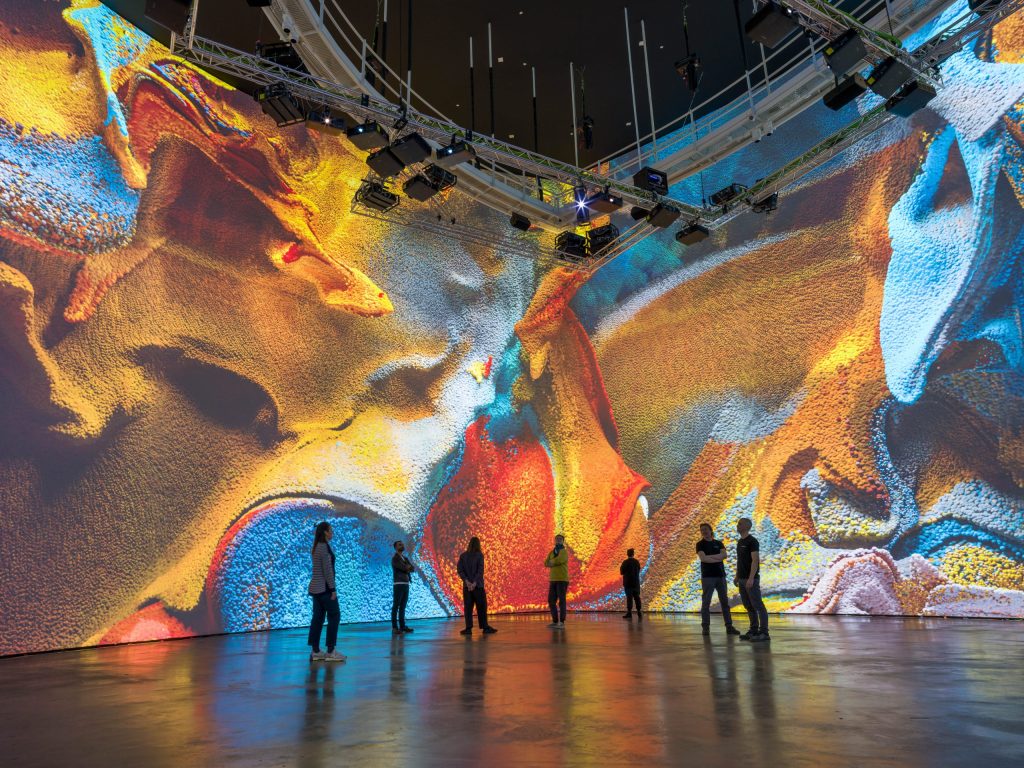
Here’s how you can embark on this artistic pursuit:
- Gather materials: Explore your surroundings for inspiring images and textures. Vintage magazines, elegant textiles, or even everyday printed materials can serve as extraordinary resources.
- Choose a base: The foundation of your collage could be cardboard, canvas, or thick paper—each offering different textural possibilities.
- Arrange and glue: Experiment with the arrangement of elements before adhering them, allowing your instincts to guide the composition.
- Layer and embellish: Enhance depth and narrative by incorporating layers, embellishments, or even paint.
Creating a collage can be a therapeutic endeavor, often revealing insights into your own aesthetic inclinations and crafting narratives that resonate on a personal level. For beginners unsure of their prowess with traditional artistic techniques, collage offers a liberating alternative.
4. Watercolor Painting: Fluidity in Color
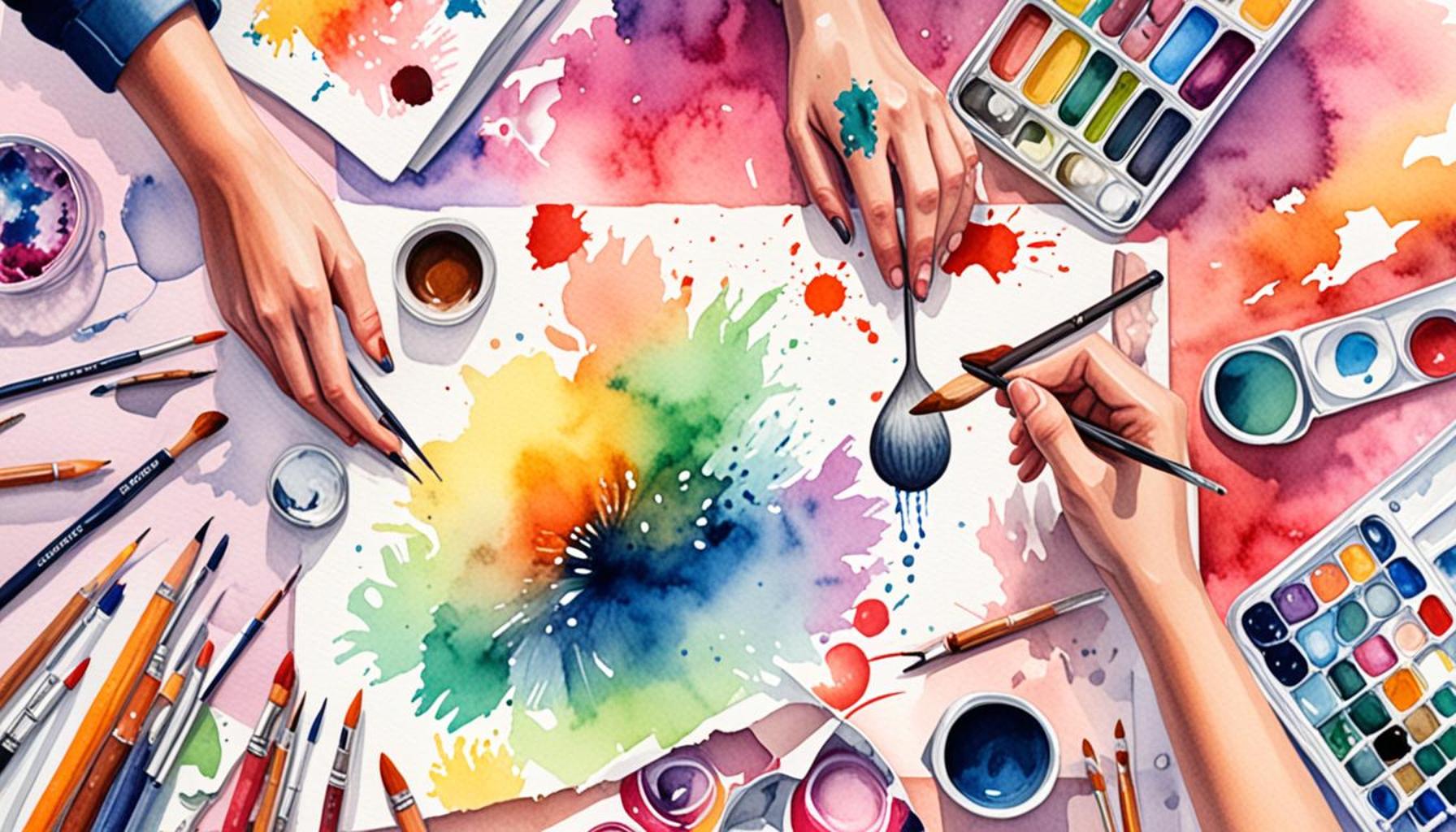
Renowned for its elegance and soft translucency, watercolor painting is a medium that enchants beginners and seasoned artists alike. This technique hinges on the interplay of water, pigment, and paper, creating ethereal landscapes or evocative abstractions that speak to the heart.
To begin your watercolor journey, consider the following:
- Invest in a basic set: A quality set of watercolor paints, brushes, and paper can significantly enhance your experience and final outcome.
- Practice washes: Understanding washes—the gradual blending and flowing of colors—is fundamental to mastering watercolor painting.
- Learn basic techniques: Techniques like wet-on-wet (applying wet paint onto wet paper) and wet-on-dry (wet paint onto dry paper) will pave the way to more complex compositions.
Persistent practice with watercolors can unlock new avenues of emotional expression, enabling you to craft visual stories rich with atmosphere and sentiment.
3. Digital Art: Modern Expression
In an increasingly digital world, the realm of digital art stands out as a frontier of creativity that is both innovative and accessible. For novices, digital art offers a playground of endless possibilities, unhindered by the limitations of traditional media.
To embark on your digital art journey, consider these initial steps:
- Select a reliable software: Programs like Procreate, Adobe Photoshop, or the open-source platform Krita cater to various skill levels and artistic ambitions.
- Get comfortable with your device: Familiarity with digital tools and brushes is crucial; take your time to explore the device’s capabilities.
- Try tutorials: The internet is a treasure trove of instructional videos and guides, offering insights into countless techniques and styles.
Digital art not only allows for creative experimentation without the pressure of material waste but also fosters a sense of community among artists around the globe, making it a truly dynamic medium for engagement.
2. Sketching: The Foundation of Artistic Expression
Often hailed as the cornerstone of art, sketching is the most direct method of visual communication, scribbling thoughts and ideas into tangible forms. For beginners, it is a critical skill to develop, offering a gateway into the world of art through observation and interpretation.
Here’s how you can refine your sketching skills:
- Focus on observation: Regularly sketching everyday objects sharpens your observation skills, enhancing your ability to capture detail and proportion.
- Experiment with styles: From contouring to gestural drawings and shading techniques, exploring various styles will help you identify those that resonate with you.
- Practice regularly: Dedication is key; the more you sketch, the more adept you’ll become in your technique.
Sketching encourages spontaneity and nurtures a relaxed artistic environment, providing an essential groundwork for any aspiring artist.
1. Mixed Media: The Best of All Worlds
At the pinnacle of our artistic exploration is mixed media, a technique that liberates the artist from conventional restraints, providing a vast canvas for innovation. By combining various materials and artistic forms—such as paint, ink, textiles, and collage—mixed media pieces offer a rich tapestry of texture and visual intrigue.
Here are insights to guide you through the mixed media journey:
- Gather diverse materials: Collect items that can add texture and depth, from traditional art supplies to unconventional objects you find inspiring.
- Explore layering: The true magic of mixed media lies in its layers; experiment with overlaying different elements to achieve unique aesthetics.
- Emphasize creativity: Push boundaries and embrace the unexpected—mixed media is about breaking rules and fostering uniqueness.
The experience of creating mixed media art is both liberating and exhilarating, offering unlimited artistic possibilities and encouraging artists to forge their paths in an uncharted territory of creativity.
In conclusion, whether you’re drawn towards the tactile nature of collage, the delicate beauty of watercolors, the innovation of digital art, the directness of sketching, or the improvisational spirit of mixed media, these techniques offer a diverse palette of expression. Each method not only nurtures your creativity but also invites you to engage in a rewarding and ongoing relationship with art. Let these techniques be your guide in uncovering the depth of your creative potential.
| Category | Details |
|---|---|
| Visual Arts | Explores mediums such as painting, sketching, and collage, enhancing sensory understanding and the development of personal style. |
| Performance Arts | Introduces drama, dance, and music, offering a multi-dimensional approach to self-expression and communication through movement. |
| Digital Media | Focuses on video, graphic design, and animation, providing avenues for combining technology with creativity for innovative art forms. |
| Mixed Media | Encourages experimentation by utilizing various mediums and techniques, allowing artists to break traditional boundaries and explore diverse expressions. |
The exploration of “Técnicas de Expressão Artística para Iniciantes” reveals a vibrant tapestry of possibilities for budding artists. In the realm of **Visual Arts**, techniques such as painting and sketching not only foster creativity but also improve fine motor skills and visual-spatial awareness. The beauty of starting with visual arts lies in its immediacy—the student can see results in real-time, leading to a tangible sense of accomplishment.Moving into the landscape of **Performance Arts**, the potential for self-discovery and expression grows tremendously. Whether through the grace of dance or the emotive power of drama, participants are often led to confront their vulnerabilities, enhancing their emotional intelligence. This category promotes teamwork and collaboration, particularly in group performances, instilling a sense of community and shared purpose.**Digital Media** is rapidly becoming a critical component in artistic education. With platforms for creating and distributing content easily accessible, young artists can engage with their audience in unique ways. The inclusion of video editing, graphic design, and animation techniques not only channels their imagination but also prepares them for future opportunities in an increasingly digital world.Incorporating **Mixed Media** blurs the lines of traditional art forms, inviting practitioners to explore uncharted territories. Here, the ability to fuse different materials—be it paint with fabric or photography with digital elements—encourages unparalleled innovation. This method not only nurtures creativity but also empowers beginners to take risks and revel in the learning process, rather than being confined to the rules of a single medium.In sum, exploring these diverse avenues of artistic expression not only broadens the scope of creativity but also provides essential skills and confidence to those just beginning their artistic journeys. As they immerse themselves in various techniques, they will discover not just their artistic voices but also the enriching experience of connecting with others through the universal language of art.
Frequently Asked Questions about Artistic Expression Techniques for Beginners
What are some common artistic expression techniques for beginners?
For those new to artistic expression, starting with basic techniques such as drawing, painting, and collage can be highly beneficial. These methods allow beginners to explore their creative instincts without feeling overwhelmed. Additionally, techniques like sculpting with clay or engaging in digital art offer diverse ways to experiment with form, texture, and color, providing a comprehensive foundation for further creative development.
How can I discover which medium suits my creativity best?
Discovering the right medium involves exploration and experimentation. Start by sampling various techniques—try your hand at drawing, painting, or digital media. Pay attention to which activities you find most enjoyable and engaging. Workshops and beginner’s classes are excellent opportunities to not only learn different techniques but also meet like-minded creatives. Don’t be afraid to venture outside your comfort zone, as this can lead to unexpected and rewarding discoveries.
Can I self-teach artistic techniques or do I need formal education?
While formal education can provide structured learning and expert guidance, many successful artists are self-taught. In today’s digital age, numerous online resources such as tutorials, forums, and virtual workshops are available for beginners. As long as you are dedicated to your practice and continuously seeking new knowledge, self-teaching can be just as effective. However, consider attending occasional workshops to gain feedback and possibly refine your skills under experienced guidance.
Is it essential to have natural talent to become good at art?
The notion of natural talent is often debated, but what’s undeniably crucial is practice and passion. Whether or not you feel you have a natural inclination towards art, consistent practice can significantly improve your skills over time. Developing an artistic style is a journey that involves a learning curve and the willingness to embrace mistakes as part of the process. Remember, art is subjective, and what matters most is expressing your unique perspective.
How do I find inspiration for my artistic projects?
Inspiration can come from various sources, including books, films, music, nature, and personal experiences. Keep a journal or sketchbook to jot down ideas as they come to you. Visiting galleries or museums and engaging with other artists in creative communities can also stimulate new ideas. Importantly, give yourself time to reflect and appreciate the world around you; quiet moments often yield the most profound inspiration.
Conclusion: Unlocking Artistic Potential Through Varied Techniques
Embarking on the journey of artistic expression can be both liberating and enlightening, especially for beginners. Throughout the exploration of various artistic techniques, several key lessons emerge. Whether it’s through the tactile experience of painting, the precision of drawing, the depth of digital art, the finesse of sculpture, or the spontaneity of mixed media, each form offers a unique avenue to unleash one’s creativity. For those venturing into these realms, it’s crucial to remember the value of experimentation and discovery. Trying different methods not only broadens one’s skill set but also enriches the personal creative journey.
The importance of embracing mistakes as learning opportunities cannot be overstated. In the world of art, imperfections can serve as a springboard for innovation. For every aspiring artist, the tip is clear: remain open-minded and curious. By delving into various media, individuals can overcome creative blocks and find fresh sources of inspiration.
Moreover, cultivating a habit of consistent practice and seeking feedback can significantly enhance one’s ability to express visually. Artistic expression is more than just an exercise in creativity—it’s a path to understanding oneself and the world. Through dedication and a willingness to explore the unknown, beginners can surprise themselves with their evolving artistry.
As the landscape of creative hobbies continues to expand, the role of diverse artistic techniques becomes increasingly significant. They empower individuals to communicate in ways words may not, offering a powerful tool for self-expression and community connection. In concluding this exploration, the invitation is clear: dive into the world of art with an open heart and a curious mind. The possibilities are truly endless.