The Power of Art How Creative Expression Transforms Mental Health
The Power of Art: How Creative Expression Transforms Mental Health
Art has always held a profound influence over the human experience, acting as a bridge between emotions and expression. In recent years, the connection between creative hobbies and mental health has garnered significant attention, revealing how artistic endeavors can enhance well-being. Engaging in artistic activities not only provides an outlet for self-expression but also fosters resilience and emotional healing.
Research indicates that dabbling in various forms of art—be it painting, music, or writing—can have transformative effects on mental states. Some notable benefits include:
- Reduced stress and anxiety through immersive experiences.
- Improved mood and a boost in self-esteem.
- Enhanced social connections by joining community art projects.
- Increased self-awareness by exploring personal narratives.
- A sense of achievement that comes from completing art projects.
As we delve deeper into this fascinating topic, get ready to explore the Top 5 ways creative expression can positively impact mental health. Discover how embracing art can lead to transformative experiences and profound personal growth.
Top 5: The Influence of Art on Mental Health: How Artistic Expression Can Transform Lives
Art has woven itself tightly into the fabric of human society—loved for its aesthetic appeal and entertainment value. However, its influence stretches far beyond mere visual delight, profoundly impacting mental health in transformative ways. Artistic expression offers therapeutic benefits that can change lives in ways one might not anticipate. This article explores the top five ways art influences mental health, illustrating how engaging in creative hobbies can cultivate healing and resilience.
5. Community Connection: The Bonding Power of Arts
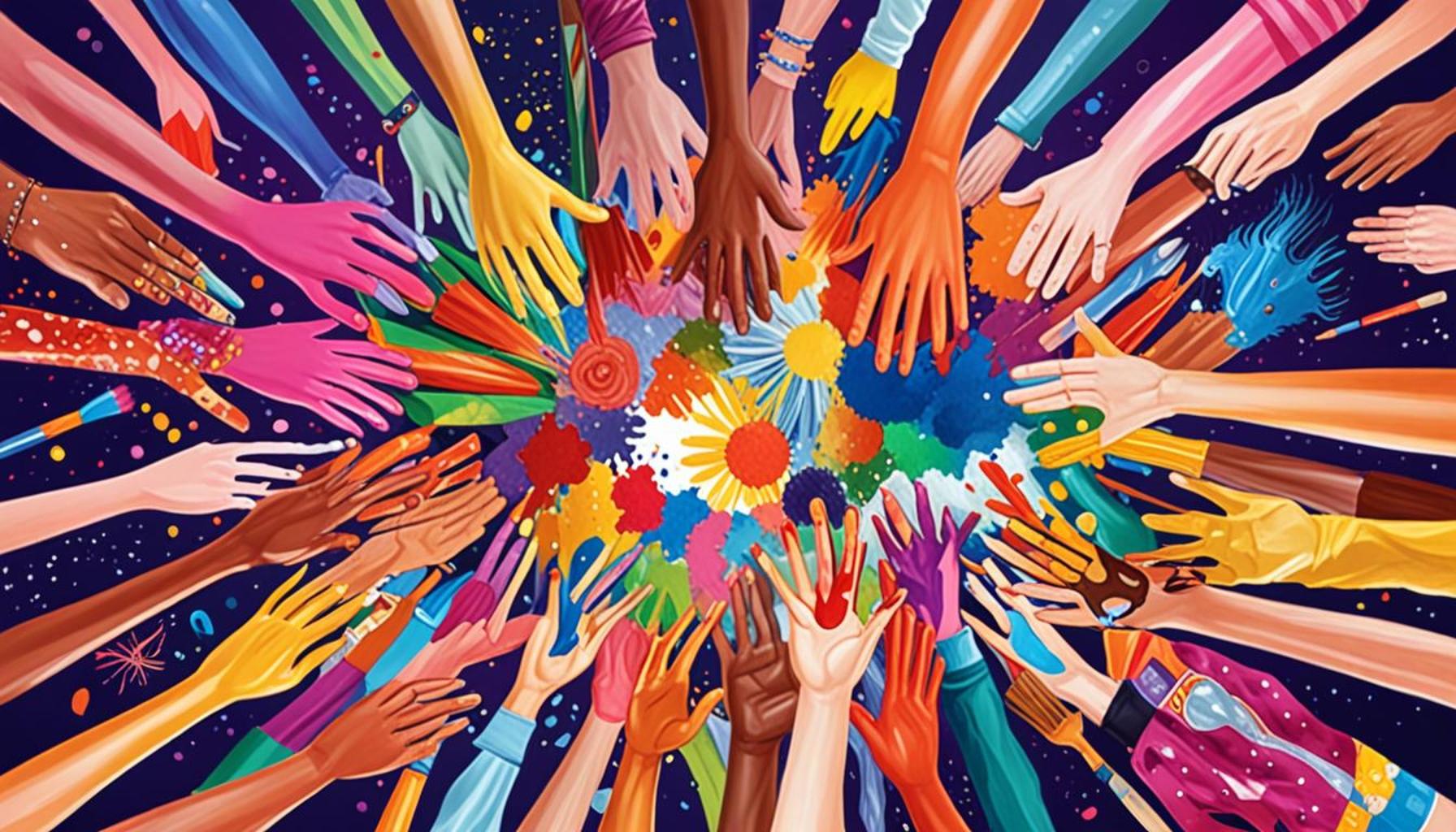
Art is a powerful force of unity, often providing a fertile ground for human connection. Whether through the structured environment of a workshop or the free-flowing nature of a public exhibition, art invites people into a shared space where they can exchange ideas and emotions. This sense of belonging is crucial for mental well-being, particularly for those who might experience feelings of isolation or alienation.
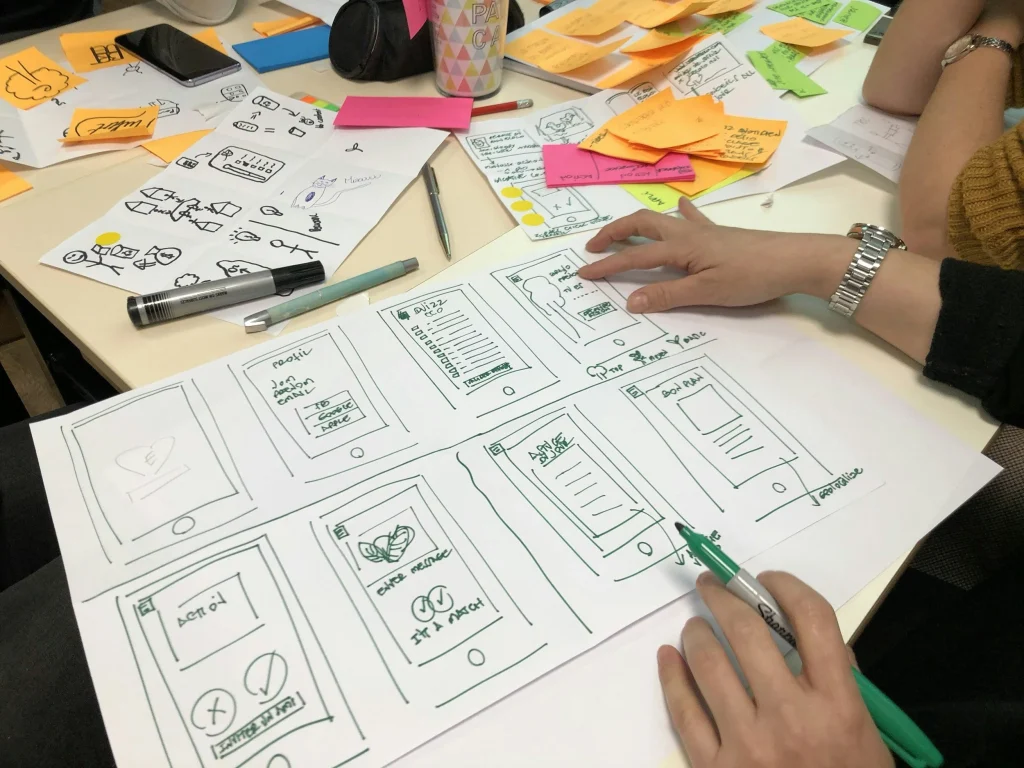
- Art Therapy Groups: In therapeutic settings, small groups provide a safe and nurturing space where participants can express themselves freely and connect over shared experiences.
- Workshops and Classes: These are more than just learning opportunities; they are gatherings of like-minded individuals who can form meaningful relationships, thus reducing feelings of loneliness and exclusion.
- Exhibitions and Shows: These events open the door for community participation. They allow artists to receive recognition and feedback, essential for community bonding and individual validation.
As the saying goes, “no man is an island,” and creative endeavors offer a unique pathway to social interaction, providing an essential support network for individuals facing mental health challenges.
4. Emotional Release: The Cathartic Nature of Art
Amid the chaos of modern life, many individuals find it daunting to articulate their innermost feelings, often becoming overwhelmed. Art serves as a powerful emotional outlet where emotions can be expressed freely without the need for words. This cathartic release is not only healing but also promotes introspection, aiding individuals in gaining emotional clarity and understanding.
The process is simple yet profound—consider the painter who channels anxiety onto a canvas, transforming distress into visually compelling work, or the poet who encapsulates sadness in verses. Such creative acts facilitate the release of pent-up emotions, providing a constructive way to process negative feelings. According to experts, engaging in the arts can significantly reduce stress and anxiety, thus promoting mental health.
3. Boosting Self-Esteem: Empowerment Through Creativity
The personal journey of creating art is a powerful catalyst for boosting self-esteem and self-confidence. Each artwork crafted, whether meticulously planned or spontaneously created, becomes a testament to one’s capabilities and ideas. This process of creation, which transitions from concept to tangible reality, fosters a unique sense of empowerment.
- Mastering New Skills: Successfully learning a new artistic skill can be highly empowering. Whether it’s throwing a pot on a wheel or perfecting a dance routine, this mastery leads to a sense of accomplishment.
- Receiving Positive Feedback: Sharing one’s artwork often brings positive reinforcement from peers and mentors, which is a powerful validation of an individual’s creative value.
- Seeing Progress: Artistic pursuits often vividly display personal growth, thus bolstering an individual’s self-worth and resilience against negative self-perception.
This empowerment is vital for those striving to reclaim their self-esteem and self-worth, especially when battling mental health difficulties.
2. Cognitive Engagement: The Connection Between Creativity and Brain Health
Creativity reignites the brain by engaging multiple areas in complex and stimulating ways. It is a mental exercise that stretches cognitive functions, enhancing brain health and promoting mental agility. This engagement is key to overall mental well-being, as it reinforces adaptive thinking and emotional intelligence.
Consider musicians, who routinely balance intuitive creativity with technical skill. This duality challenges their brain in unique ways, enhancing critical thinking and problem-solving abilities. Similarly, participants in other artistic practices find improvements in memory, concentration, and emotional understanding, offering a mental workout that strengthens mental resilience.
The brain thrives on stimulation, and art provides a delightful pathway for cognitive engagement, making it an indispensable tool for enhancing one’s mental fortitude.
1. Transformational Healing: The Ultimate Benefits of Artistic Expression
At the apex of art’s influence lies its potential for healing, offering profound benefits unmatched by other therapeutic approaches. Studies consistently reveal that creativity can facilitate significant healing in individuals confronting mental health issues such as traumas and depressive disorders.
Art therapy, a burgeoning field, employs creative methods to help individuals navigate and heal from emotional distress. These therapy sessions often include drawing, painting, or sculpting under professional guidance, encouraging individuals to uncover and address hidden traumas or suppressed feelings.
- Enhanced emotional resilience: Regular participation in art fosters robust coping strategies, enabling individuals to handle life’s adversities more effectively.
- Increased mindfulness: Creating art necessitates careful attention to the present moment, fostering a state of mindfulness that can be therapeutic.
- Long-term mental wellness: Consistent artistic practice supports sustained mental health, aiding in the maintenance of emotional balance and mental clarity.
The myriad benefits of art underscore its profound role as a medium for emotional and psychological healing, offering a uniquely transformative pathway for those seeking recovery and resilience.
| Category | Description |
|---|---|
| Emotional Expression | Art allows individuals to express their emotions in ways that verbal communication may not achieve. This expression can facilitate a deeper understanding of feelings, leading to improved mental clarity. |
| Therapeutic Benefits | Engaging in creative activities has been shown to reduce stress and anxiety, providing a constructive outlet for negative feelings. Artistic interventions are increasingly used in clinical settings to assist with therapy. |
| Community Connection | Art fosters a sense of community and belonging. Participating in group art projects can enhance social connections, combat feelings of isolation, and create supportive networks among participants. |
| Cognitive Development | Creative expression stimulates critical thinking and problem-solving skills, allowing individuals to engage with challenges in innovative ways, thus enhancing cognitive flexibility and fostering resilience. |
Frequently Asked Questions About the Influence of Art on Mental Health
How does engaging in art impact mental health?
Engaging in art can have a significant impact on mental health by providing an outlet for expression and emotional release. Studies have shown that creative activities such as painting, drawing, and sculpting can reduce stress, anxiety, and depression. This process facilitates self-reflection and self-discovery, promoting a sense of accomplishment and well-being.
Can art therapy be considered a reliable treatment for mental health issues?
Art therapy is increasingly recognized as a viable complementary treatment for mental health issues. It is used in various settings, from hospitals to community centers, to help individuals express feelings they might find challenging to articulate verbally. While it should not replace traditional therapy, art therapy can be a powerful tool for enhancing emotional healing and resilience.
In what ways does artistic expression contribute to mental well-being?
Artistic expression contributes to mental well-being by offering a safe space for individuals to explore and communicate their internal world. The act of creating art can enhance mood, improve cognitive function, and boost self-esteem. Additionally, participating in group art activities fosters social connections, which can mitigate feelings of loneliness and isolation.
Are there specific types of art that are more beneficial for mental health?
While all forms of art can be beneficial, certain types may lend themselves more readily to therapeutic outcomes depending on individual preferences and needs. For instance, activities like expressive writing and music therapy have been shown to significantly reduce symptoms of PTSD and anxiety. Ultimately, the most effective type of art is one that resonates personally with the individual.
Conclusion
Throughout this exploration of the intersection between art and mental health, it has become evident that artistic expression is not just a pastime, but a powerful tool that can transform lives. From improving emotional resilience to fostering a sense of community, the influence of art reaches deep into the human experience. Engaging in creative hobbies such as painting, music, or even knitting can provide a significant boost to psychological well-being. These activities offer a way to externalize emotions, allowing individuals to process their feelings in a non-verbal, creative manner.
The therapeutic potential of art embraces a diverse range of benefits. Creative practices can enhance brain function, reducing anxiety and depression, while promoting mindfulness and increasing personal satisfaction. Key findings have shown that participation in the arts leads to improved cognitive abilities and emotional regulation. Additionally, art can serve as a bridge to connect with others, offering a collective experience that diminishes the feeling of isolation that often accompanies mental health struggles.
As society becomes increasingly aware of mental health issues, the role of art in therapeutic contexts is gaining recognition. Many mental health professionals now incorporate artistic methods in their treatment plans, acknowledging the evidence-based advantages these activities provide. By investing in art programs and recognizing their therapeutic potential, we open doors to new paradigms of healing.
In conclusion, the interplay of art and mental health underlines an essential narrative in any discussion about personal growth and societal well-being. While further research is necessary to unlock the full potential of artistic expression as a treatment for mental health disorders, it is abundantly clear that art is more than decoration—it is a powerful agent of change. With this newfound understanding, embracing art as a staple of mental health care could lead to unparalleled transformations in individuals and communities alike.