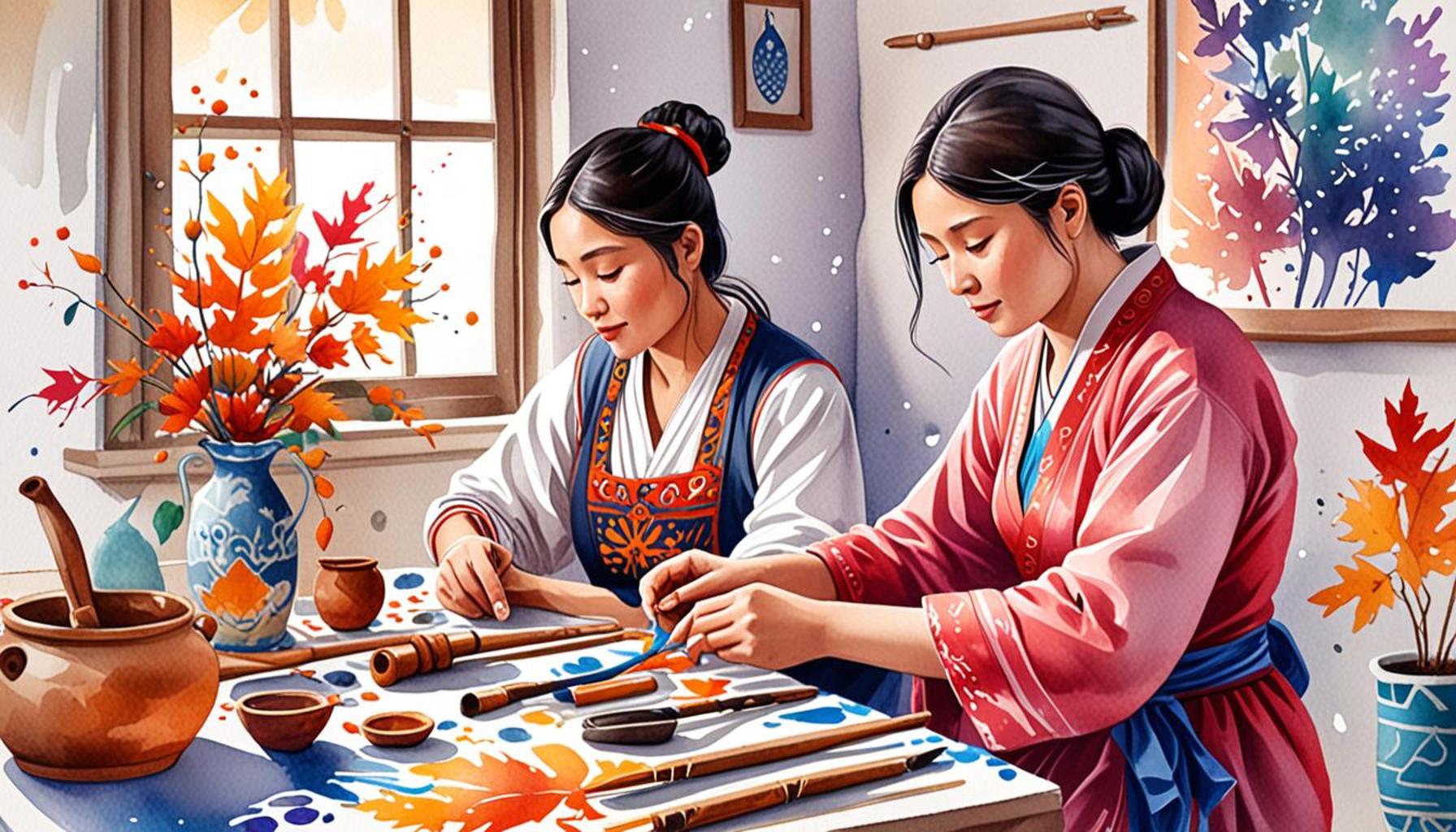
Art of Crafting How Hands-On Skills Boost Creativity Transformation
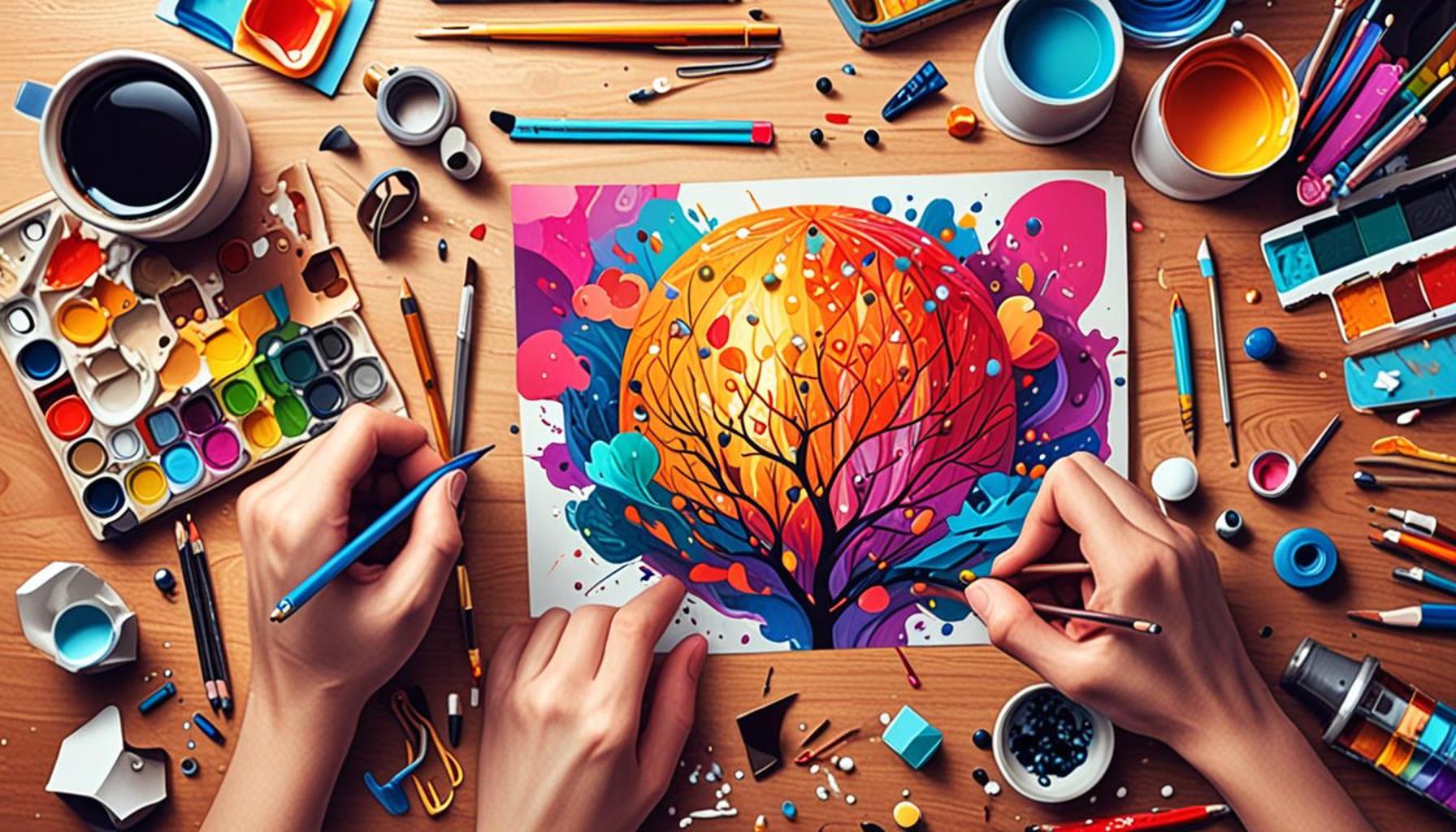
In a world dominated by digital interactions, hands-on creativity offers a refreshing escape, allowing individuals to express themselves in tangible ways. Engaging in creative hobbies not only provides relaxation but also serves as a powerful medium for personal transformation. This article explores how developing manual skills can enhance your creative capabilities, pushing boundaries and unleashing imagination.
As you delve into the art of crafting, consider the following aspects that highlight its significance:
- Therapeutic Value: Working with your hands reduces stress and fosters mindfulness.
- Skill Development: Mastering craft techniques encourages problem-solving and innovation.
- Community Connection: Collaborative crafting experiences strengthen bonds with others who share similar passions.
Prepare to discover the Top 5 hands-on skills that can transform your creativity and inspire your next project. You’ll gain insights into how these activities can integrate into your daily life, leading to a more fulfilling and enriched existence.
The Art of Creation: How Manual Skills Can Transform Your Creativity
In an era dominated by digital technology, there’s a growing appreciation for the tactile nature of creative hobbies. These manual skills serve as powerful conduits for both self-expression and personal enlightenment. Engaging with your hands not only fosters creativity but also delivers therapeutic benefits that can reshape your cognitive processes and enhance your personal growth. This article explores five compelling ways that manual skills can enrich your creative journey, culminating in the most impactful form of artistic expression.
5. Crafting as a Means of Relaxation
The fast-paced rhythm of modern life often leaves us searching for a refuge from stress and anxiety. Crafting emerges as a wonderful retreat, offering activities such as knitting, scrapbooking, and model-making that invite you to lose yourself in the simplicity and rhythm of creation. Engaging in these hobbies is more than a pastime; it’s a scientifically backed method to alleviate stress and nurture mental well-being.

- Mindfulness: As you engage in crafting, the repetitive motions can put you into a state of mindfulness, encouraging a focus on the present moment and helping center your thoughts.
- Stress Relief: The meditative nature of crafting allows for a mental escape, offering a constructive outlet for releasing pent-up emotions, especially during challenging periods.
- Social Interaction: Crafting often brings people together, whether through workshops or online forums, facilitating social connections and fostering a sense of community.
Ultimately, crafting forms a sanctuary, turning everyday moments into opportunities for mental and emotional restoration.
4. Enhancing Problem-Solving Skills
Manual skills transcend mere creative expression; they are instrumental in sharpening your problem-solving abilities. Whether you are piecing together a jigsaw puzzle or crafting intricate jewelry, these activities demand innovative thinking and resourcefulness.
- Resourcefulness: Often, crafting requires making the most of limited materials, compelling you to devise ingenious solutions and think creatively.
- Critical Thinking: Each project presents unique challenges, demanding an analytical mindset to navigate through obstacles efficiently.
- Adaptability: Crafting invites you to adjust your approach as needed, fostering resilience and adaptability in various life situations.
These honed problem-solving skills can significantly influence many areas of life, equipping you with the tools to approach challenges with renewed confidence and ingenuity.
3. Building a Sense of Accomplishment
Few experiences rival the fulfillment of completing a handcrafted project. Whether it’s a painting, a carefully designed piece of furniture, or a crafted quilt, these tangible achievements provide a significant boost to motivation and self-esteem.
- Goal Achievement: Setting crafting goals and meeting them not only encourages you to pursue personal improvement but also instills a sense of discipline and perseverance.
- Showcasing Work: Sharing your creations with others can not only bring external validation but can also inspire fresh waves of creativity and ideas.
- Creating a Portfolio: As your skills evolve, maintaining a portfolio of work becomes a testament to your creative journey and personal growth.
This iterative journey of accomplishments propels a virtuous cycle, perpetually energizing your drive to create and explore new creative frontiers.
2. Enhancing Artistic Expression
The essence of creativity lies in the ability to express oneself, and manual skills provide a vital medium for this expression. Whether it’s through painting, sculpture, or pottery, these skills allow you to convey emotions and narratives visually, often speaking louder than words.
- Developing Style: Through experimentation with various materials and techniques, you can hone a unique artistic voice that resonates with your personal vision.
- Expression of Identity: Crafts become a powerful form of personal storytelling, allowing you to connect with and portray your identity.
- Emotional Release: Creating art is a potent means of processing emotions, providing an outlet that positively affects mental well-being.
Engaging in manual skills not only enhances artistic expression but also allows for profound emotional release, transforming personal stories into compelling visual and emotional experiences.
1. Discovering and Nurturing Creativity
At the heart of manual skills is their unparalleled ability to awaken and nurture creativity. These hands-on activities encourage a spirit of exploration and imagination, which forms the foundation of creative thought.
- Encouragement of Exploration: Delving into new materials and techniques cultivates an exploratory mindset, fostering continual discovery and learning.
- Inspiration from Failure: Mistakes and failures often lead to unforeseen results, propelling innovative solutions and new creative directions.
- Connecting with Others: Sharing and learning within creative communities drives collaborative projects and mutual inspiration.
This nurturing of creativity through manual skills not only empowers you to achieve artistic goals but also emboldens your imagination and curiosity, lighting the way for endless creative possibilities.
In summation, embracing manual skills is more than simply learning a craft; it is an approach to enhancing one’s life on multiple levels. By dedicating time to these activities, you can transform everyday experiences into extraordinary creations and experiences, ultimately leading to a richer, more creatively fulfilled life.
The Transformative Power of Manual Skills
Manual skills, often regarded as traditional crafts, hold a profound significance in unlocking and enhancing creativity. Engaging in hands-on activities such as sewing, pottery, or woodworking not only results in tangible products but also cultivates an inner landscape where innovation thrives. The act of creating with one’s hands can tap into a deep reservoir of intuition, prompting ideas and solutions that may remain dormant in a purely digital or conceptual environment.Moreover, the tactile experience of working with materials—be it fabric, clay, or wood—invokes a sensory connection that enriches the creative process. This connection is particularly powerful because it fosters mindfulness; as creators immerse themselves in their crafts, they enter a state where distractions fade away. Such immersion not only nurtures self-awareness but also opens avenues for spontaneous idea generation, allowing new concepts to emerge organically.Additionally, the resurgence of interest in manual skills can also be attributed to the growing awareness of the mental health benefits associated with crafting and hands-on activities. Studies show that engaging in creative tasks can reduce stress, anxiety, and depression. Activities that involve repetition and focus, such as knitting or painting, can act as forms of meditation, providing a therapeutic outlet that promotes emotional well-being.Incorporating manual skills into daily life serves as a bridge between the physical and mental realms. For instance, when individuals engage in cooking, they not only feed their bodies but also their creative spirits by experimenting with flavors and presentations. This culinary form of art extends beyond the kitchen, influencing other areas such as design and innovation.It’s important to note that the landscape of creativity is ever-evolving, and traditional skills can intersect with modern technology. Digital fabrication techniques, such as 3D printing, can be powered by the foundational knowledge of manual craftsmanship. As creators merge old techniques with new innovations, they redefine what it means to be creative in today’s world, leading to unprecedented discoveries and products that challenge conventional boundaries.This melding of manual skills and modern technology not only broadens the scope of creativity but also democratizes it, allowing more individuals to express themselves artistically. For instance, online platforms have emerged, enabling craftsmen to showcase their work and share techniques, inspiring communities and fostering collaboration across various disciplines.Ultimately, embracing manual skills as a form of creativity supports a holistic approach to personal development. It encourages individuals to think critically about the process of making, pushing them to experiment, fail, and ultimately succeed in developing their unique artistic voices. By nurturing these skills, we inform a culture that values creativity as a fundamental tenet of human experience, showing that when we create, we not only reflect our identities but also enrich the lives of those around us.
Frequently Asked Questions: The Art of Creating
How can manual skills enhance one’s creativity?
Manual skills serve as a tactile gateway to creative expression. Engaging in activities that require hand-eye coordination, such as painting, sculpting, or crafting, can stimulate areas of the brain associated with innovative thinking and problem-solving. When practicing manual skills, individuals often find themselves entering a state of flow, fostering a deeper connection with their creative instincts and leading to unexpected insights and ideas.
What are some examples of manual skills that can boost creativity?
There is a vast array of manual skills that can invigorate your creative faculties. Some popular examples include pottery, knitting, woodworking, calligraphy, and embroidery. Each of these activities not only enhances fine motor skills but also encourages patience, attention to detail, and an appreciation for the creative process. Moreover, these skills can be therapeutic, helping to reduce stress and free the mind to explore new creative avenues.
Are there any scientific studies supporting the link between manual skills and creativity?
Indeed, a number of scientific studies have explored the relationship between manual activities and creativity. Research in neuroscience has shown that activities involving physical creation can activate different parts of the brain, particularly those associated with planning and refining new concepts. A study from the Journal of Occupational Therapy highlighted that participants engaged in regular crafting reported increased creative outputs and enhanced emotional wellbeing. These findings suggest a compelling intersection between manual dexterity and creative enhancement.
Can anyone develop manual skills to enhance creativity, regardless of their current creativity levels?
Absolutely! Manual skills are accessible to everyone, regardless of their initial levels of creativity or expertise. The journey of honing these skills can be personalized according to individual interests and pace. Beginners might start with simple tasks, gradually improving proficiency and complexity. Over time, the cumulative practice not only bolsters confidence but also unlocks new dimensions of creativity, allowing individuals to innovate and express themselves in unique ways.
How does practicing manual skills influence mental health and emotional wellbeing?
Engaging in manual activities can be tremendously beneficial for mental health and emotional wellbeing. The focused, repetitive nature of many manual activities induces a meditative state, reducing stress and anxiety. Furthermore, the sense of accomplishment achieved through manual creation can significantly boost self-esteem and promote feelings of relaxation and contentment. As these benefits accumulate, individuals often experience enhanced mood and a more optimistic outlook, which naturally feeds back into their creative processes.
Conclusion
In the exploration of “A Arte de Criar: Como Habilidades Manuais Podem Transformar sua Criatividade”, it becomes evident that manual skills are not merely about crafting objects but are instrumental in unlocking a deeper well of creativity. The article underscored five pivotal points that highlight the transformative power of engaging in creative hobbies.
Firstly, engaging in manual skills fosters a unique connection between mind and body, enhancing cognitive functions and sparking innovative ideas. Secondly, the tactile experience of crafting invigorates the senses, leading to a heightened awareness and appreciation of details that often go unnoticed. This attentiveness transfers into other aspects of life, encouraging a more mindful existence.
Thirdly, there is an undeniable emotional liberation that accompanies manual creation. It serves as a therapeutic outlet for stress, providing a space where individuals can express thoughts and emotions freely. Fourthly, the confidence gained from mastering these skills is substantial. As creators see their ideas materialize, self-esteem flourishes, potentially altering not just personal views but also career trajectories.
Moreover, engaging in creative activities builds a sense of community. Individuals often find themselves part of a greater network of like-minded creators, offering support and collaboration. This social connectivity can foster lifelong learning and inspiration.
Ultimately, embracing manual skills as a part of everyday life is a gateway to discovering untapped creative potential. The journey of creating is one filled with endless possibilities, providing both an inward journey of self-discovery and an outward exploration of the world around us. As readers contemplate the value of these tactile experiences, the invitation to further explore creative hobbies remains open, promising new insights and transformative personal growth.