
Mindfulness and Memory: How Meditation-Inspired Puzzles Can Enhance Cognitive Functions

Unlocking Your Mind’s Potential
In our fast-paced world, cultivating strong cognitive functions has become essential. Mindfulness practices, particularly through meditation-inspired puzzles, are emerging as innovative tools to enhance mental clarity and memory retention. This article delves into the intriguing connection between mindfulness and cognitive performance.
Consider the following key benefits of meditation-inspired puzzles:
- Improved Focus: Engaging in puzzles fosters deep concentration, akin to meditation. The process requires your full attention, drawing you away from distractions. For instance, a challenging Sudoku or crossword puzzle demands both patience and analytical skills, providing a mental workout that mirrors the focus achieved during meditation. Research indicates that regular engagement in such activities can enhance your ability to maintain attention on tasks.
- Enhanced Memory: Regular puzzle activity can stimulate memory centers in the brain. Studies show that solving puzzles can sharpen both short-term and long-term memory by activating neural connections. As you piece together different elements in a puzzle, you enhance your brain’s capability to remember not just the puzzle at hand but also improve your overall memory function. For example, retirees who engage in brain-challenging puzzles report noticeable improvements in recall ability compared to those who do not.
- Stress Reduction: Mindfulness techniques reduce anxiety, often a catalyst for cognitive decline. Engaging with puzzles allows individuals to enter a state of flow, disconnecting from daily stressors. This not only offers a mental escape but also promotes relaxation, which can lead to improved mental health. Many practitioners suggest incorporating a daily puzzle routine, emphasizing that 15-30 minutes dedicated to brain teasers can significantly soothe stress levels.
Research highlights that activities like puzzles can train the brain, benefiting various age groups. For instance, older adults may experience significant cognitive improvements as they challenge their problem-solving skills, while younger individuals can develop sharper critical thinking and reasoning ability. A study published in the American Journal of Geriatric Psychiatry revealed that seniors who regularly engaged in puzzling activities displayed a 25% slower rate of cognitive decline over time compared to their peers who did not.
As we explore the synergy between mindfulness and cognitive enhancement, you’ll discover practical methods to integrate these techniques into your routine. This could include dedicating a specific time of your day to work on puzzles while practicing deep breathing techniques or using mindfulness apps that offer daily challenges designed to stimulate your cognitive functions. Join us on this fascinating journey to unlock your mind’s full potential and bridge the gap between relaxation and robust memory retention.
EXPLORE MORE: Click here to discover how memory games can enhance cognitive capacity
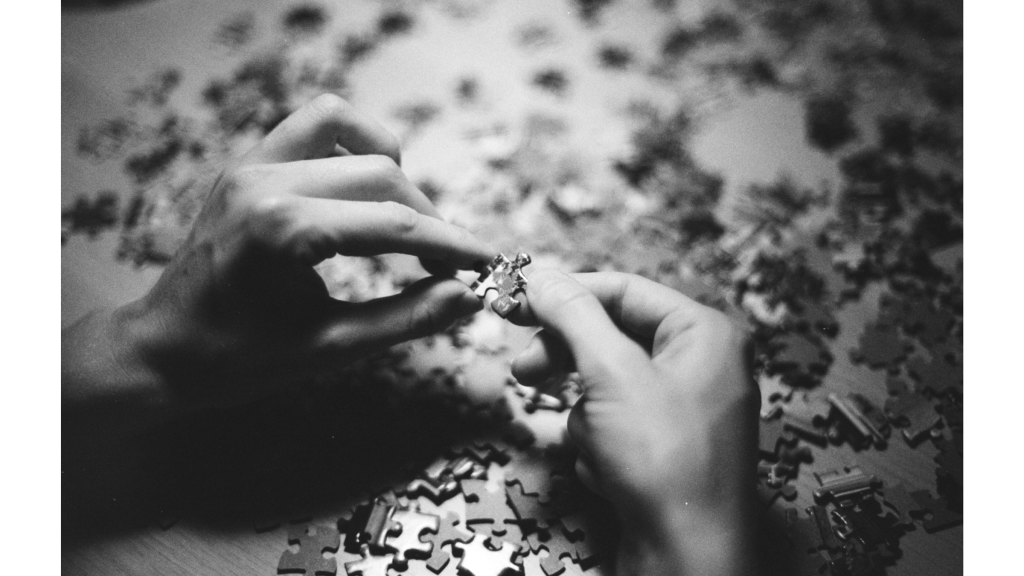
Connecting Mindfulness with Cognitive Enhancement
The practice of mindfulness is more than just a trend; it has become a vital aspect of mental wellness and cognitive health. By promoting a state of focus and relaxation, mindfulness techniques, including meditation-inspired puzzles, can significantly impact various cognitive functions. This relationship is particularly evident in how puzzles activate mental processes crucial for improved memory and cognitive agility.
Puzzles, whether they are crosswords, Sudoku, or logic games, require the same concentrated effort that one experiences during meditation. When you immerse yourself in solving a puzzle, you are essentially training your brain to focus, a skill that transcends the activity itself. Here are a few ways this connection manifests:
- Neuroplasticity: Engaging with puzzles can enhance neuroplasticity, which is the brain’s ability to adapt and reorganize itself. Neuroplasticity thrives on challenges, and the intricate patterns and relationships found in puzzles stimulate neural pathways, making them stronger. This is especially beneficial for aging individuals whose cognitive functions may naturally decline over time.
- Mindful Problem Solving: Meditation inherently encourages a deeper awareness of thoughts and emotions. This profound sense of presence carries over into puzzle-solving. The ability to remain calm and composed under pressure leads to improved problem-solving capabilities. As you tackle difficult puzzles, you reinforce your cognitive skills while remaining mindful of the process, creating a positive feedback loop.
- Holistic Brain Training: Unlike traditional memory exercises that may focus solely on recall, puzzles engage multiple areas of the brain simultaneously. For instance, word searches stimulate language processing regions, while number puzzles activate mathematical thinking areas. This holistic approach to brain training is essential for developing well-rounded cognitive abilities.
Research supports the notion that mindfulness and memory enhancement through puzzles are interconnected. A study conducted by the Cognitive Training Institute found that individuals who regularly engage in puzzle-related activities showed a marked improvement in their working memory and general cognitive flexibility. These skills are essential not just for academic or professional settings but also for everyday life tasks, from remembering names to handling complex decisions.
In the context of mindfulness, the act of completing a puzzle can serve as a form of active meditation. Participants often find themselves feeling a sense of accomplishment and satisfaction upon solving a challenging puzzle, which can positively influence their mood and overall mental health. The calming effect of this mindful engagement can also lead to a greater propensity for creative thinking, as relaxed minds often generate innovative ideas.
Incorporating puzzles into a daily routine may seem simple, but its implications for cognitive enhancement are profound. Consider combining these activities with deep breathing exercises, or setting aside specific times in your day for puzzle-solving that align with your meditation practice. By investing just a few minutes each day in this integrative approach, you stand to unlock enhanced memory and cognitive functions, paving the way for a sharper mind.
Unlocking Cognitive Benefits through Meditation-Inspired Puzzles
In the quest for enhanced cognitive functions, meditation-inspired puzzles serve as intriguing tools. These puzzles not only challenge the mind but also encourage a meditative state that fosters mindfulness. This unique combination can lead to improvements in various mental capacities, including memory, attention, and problem-solving skills. Research shows that engaging with such puzzles helps reduce stress and anxiety, which are known barriers to effective cognitive functioning. By integrating mindfulness techniques, individuals can learn to focus better, leading to sharper and more efficient thought processes. Moreover, these puzzles stimulate cognitive engagement by requiring players to think critically while also cultivating patience and resilience—attributes that are vital for cognitive development.Additionally, meditation-inspired puzzles encourage habitual participation, which is essential for cognitive strengthening. Regular engagement can create neuroplasticity, allowing the brain to adapt and grow new neural connections. This transformation not only boosts memory retention but also sharpens quick thinking in everyday situations. As players immerse themselves in these activities, they develop a sense of achievement and fulfillment, resulting in better overall mental health.
The Science Behind Cognitive Enhancement
Studies have indicated that mindfulness practices increase gray matter density in the brain, contributing to enhanced cognitive capabilities. By utilizing meditation-inspired puzzles as a daily practice, individuals may experience measurable improvements in memory recall and overall cognitive agility. Moreover, the combination of fun, engagement, and cognitive training can lead participants to find joy in learning and problem-solving, promoting lifelong cognitive health. Embracing puzzles designed with meditation principles intertwines leisure with growth, reinforcing the idea that mental exercises can be both entertaining and beneficial. As experts continue to explore this fascinating interplay between mindfulness, puzzles, and cognitive enhancements, the potential for individuals to unlock their full cognitive potential grows ever more exciting.
DISCOVER MORE: Click here to enhance your mental well-being
The Science Behind Mindful Puzzle-Solving
The intersection of mindfulness and cognitive functions through puzzle-solving is not just anecdotal; it is backed by a growing body of scientific research. As the field of neuroscience progresses, studies increasingly emphasize how specific activities, such as engaging in brain puzzles, can transform not only our thinking patterns but also the physiological aspects of our brains.
A particularly intriguing aspect of the relationship between mind puzzles and cognitive improvement lies in the release of neurotransmitters. When individuals are deeply engaged in puzzle-solving, their brain releases chemicals such as dopamine and serotonin. These neurotransmitters are crucial for mood regulation and cognitive functions, fostering a state of mental clarity and focus. The positive emotional state achieved through puzzle completion can bolster retention and recall abilities, creating a conducive environment for enhancing long-term memory.
Furthermore, studies indicate that the act of creating or solving puzzles is associated with a decrease in stress levels. When individuals enter a state of flow—characterized by full immersion and intense focus—the brain’s stress response diminishes. According to research from renowned institutes like the American Psychological Association, chronic stress adversely affects memory due to its impact on the hippocampus, the region responsible for forming new memories. By reducing stress through mindfulness practices, individuals can protect their cognitive health and improve memory functions.
Puzzles as Cognitive Training Tools
There are various forms of puzzles that can serve as effective cognitive training tools, each tapping into different mental faculties. For example, crossword puzzles not only engage vocabulary skills but also enhance general knowledge, thereby improving memory through the retention of facts and context. Meanwhile, Sudoku exercises logical reasoning, encouraging players to identify patterns and apply mathematical principles, marrying mindfulness with calculation.
A fascinating study published in the Journal of Cognitive Enhancement reveals that participating in regular puzzle activities can even yield cognitive longevity. Older adults who participated in brain-training puzzles exhibited improved verbal memory, executive function, and processing speed compared to their non-participating peers. This suggests that integrating these meditation-inspired puzzles into daily routines can be a practical approach to preserving cognitive functions as one ages.
Building Stronger Mental Connections
Engaging in mindfulness and puzzles opens the door to building stronger connections within the brain. The practice of visuospatial recall, stimulated by jigsaw puzzles or tangrams, has been shown to improve spatial awareness and memory retention. These activities compel the brain to visualize and manipulate pieces mentally, strengthening overall cognitive flexibility.
Moreover, as mindfulness teaches individuals to concentrate on the present moment, this focus can be directly applied when solving puzzles. This laser-like focus enhances reading comprehension and problem-solving abilities, which are invaluable not only in academic contexts but also in everyday challenges. Individuals may find that after spending time solving puzzles, their ability to concentrate on mundane tasks—like working through emails or preparing grocery lists—improves significantly.
In today’s fast-paced world, the combination of mindfulness practices with engaging puzzle activities provides a two-fold benefit: enhancing cognitive function while also promoting relaxation and stress relief. As the exploration of these intersections continues to unfold, individuals seeking to boost their memory and cognitive capabilities may find themselves drawn to the dual allure of mindfulness and the challenge of puzzles.
DISCOVER MORE: Click here to delve deeper
Conclusion
In conclusion, the synergy between mindfulness and cognitive stimulation through puzzle-solving offers an innovative pathway for enhancing memory and overall brain function. The convergence of scientific research with practical applications reveals that engaging in meditation-inspired puzzles not only sharpens mental acuity but also fosters emotional well-being by managing stress levels. From crosswords that expand vocabulary and knowledge retention to the logic challenges posed by Sudoku, these activities are more than mere entertainment; they serve as purposeful cognitive training tools.
Furthermore, the activation of neurotransmitters such as dopamine and serotonin during puzzle-solving contributes to a state of flow, enabling individuals to experience heightened focus and clarity—essential elements for effective learning and memory consolidation. By immersing ourselves in these mindful practices, we not only preserve cognitive health as we age but also cultivate a deeper appreciation for the present moment.
As you consider your daily routines, integrating puzzle-solving into your life could serve as a cornerstone for both cognitive enhancement and stress relief. The findings suggest that this enjoyable pastime can yield lasting benefits, making it a worthwhile pursuit for anyone looking to strengthen their mental faculties. The journey of mindfulness and memory enhancement through meditation-inspired puzzles opens numerous avenues for exploration and personal growth, ensuring that the quest for cognitive resilience is both enriching and engaging.