The Science Behind Memory Games: How Puzzles Can Boost Cognitive Function
The Cognitive Benefits of Memory Games
Memory games and puzzles have surged in popularity as not just pastimes but as tools for mental enhancement. Far more than a simple distraction, these activities offer a host of cognitive benefits that can significantly bolster mental fitness. Recent research highlights their potential to promote long-term brain health and improve various cognitive functions, making them an appealing option for individuals seeking to sharpen their minds.
But what is it about memory games that makes them so effective? Understanding the underlying science reveals how these engaging challenges contribute to cognitive enhancement. Here are some vital factors that underscore their effectiveness:
- Neuroplasticity: This remarkable capability of the brain allows it to reorganize and form new connections throughout a person’s life. Engaging in challenging puzzles has been shown to enhance neuroplasticity, encouraging the brain to develop new pathways that improve learning and memory.
- Attention and Focus: Many memory games necessitate sustained attention, which can train individuals to extend their concentration levels over time. This increased ability to focus can greatly reduce distractions, a vital skill in today’s fast-paced, information-saturated society.
- Problem-Solving Skills: Puzzles often require critical thinking and strategic planning, encouraging players to develop solutions or strategies to overcome challenges. This promotes a mindset that is adept at tackling real-life problems, fostering resilience and adaptability.
Beyond individual benefits, memory games have found their way into various realms, including educational institutions and therapeutic programs. Teachers utilize these games to enhance learning retention among students, while therapists incorporate them into cognitive rehabilitation practices, helping individuals regain cognitive functioning after injury or illness.
Importantly, these cognitive exercises can be particularly beneficial as we grow older. Engaging regularly in memory-enhancing activities can help stave off cognitive decline associated with aging and neurological diseases. For instance, studies show that older adults who partake in puzzle-solving activities experience slower rates of cognitive decline compared to their non-engaging counterparts.
As we delve deeper into the science behind memory games, it becomes evident that a simple pastime has the potential to unlock significant cognitive benefits, regardless of one’s age or background. Whether you’re a student looking to boost your grades, a professional aiming to enhance your focus and productivity, or simply someone who wishes to maintain mental sharpness, memory games may be the key to unlocking your mind’s potential.
DIVE DEEPER: Click here to unlock your creative potential
The Power of Cognitive Engagement
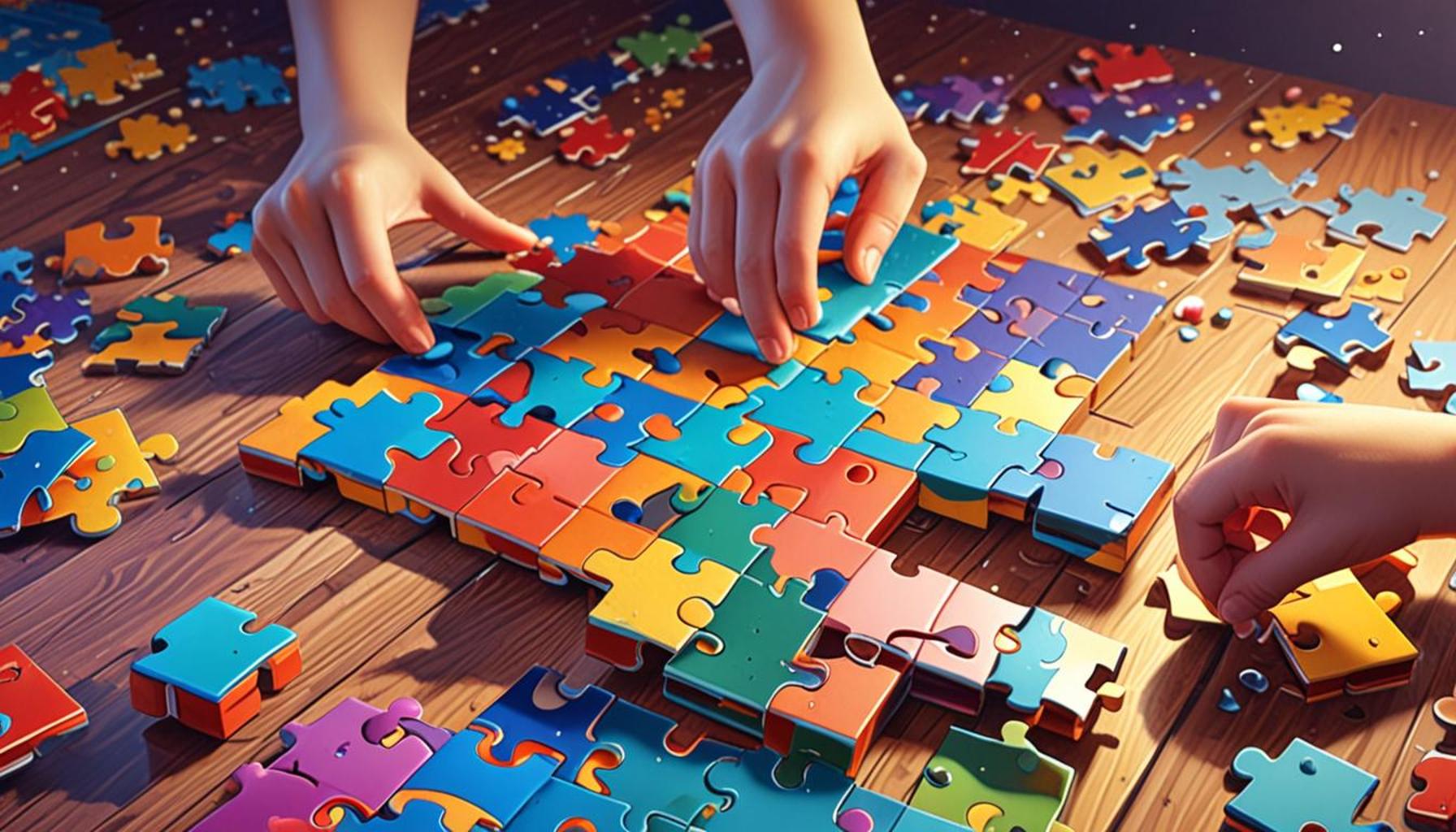
At the heart of the effectiveness of memory games lies the concept of cognitive engagement. When individuals immerse themselves in puzzles or memory challenges, they activate different parts of the brain responsible for various cognitive processes. This engagement is not merely a sideshow; it creates an environment conducive to learning and memory retention. As players tackle puzzles that require recall, recognition, and strategic thinking, they actively stimulate brain regions involved in memory formation.
Studies indicate that memory games can enhance a person’s executive functions, which include working memory, cognitive flexibility, and inhibitory control. These functions are crucial for daily decision-making and navigating complex tasks. For example, a study published in the journal *Cognitive Science* found that participants who regularly engaged with memory games showed improved performance in tasks requiring working memory compared to those who did not participate in such cognitive exercises.
Furthermore, memory games are designed to pose challenges that require varied approaches to problem-solving. The brain thrives on novelty and complexity, making puzzles an ideal medium for sparking curiosity and creativity. Players often find themselves devising strategies—like grouping items, employing mnemonic devices, or visualizing scenarios—that further exercise their cognitive faculties. This continuous practice serves to reinforce existing neural pathways while also fostering new neural connections, ultimately enhancing overall brain function.
The Role of Memory Games in Enhancing Mental Agility
Engagement with memory games not only sharpens memory but also enhances mental agility. Mental agility refers to the brain’s ability to quickly adapt, understand new information, or devise solutions to unexpected challenges. Participants who regularly practice puzzles increase their capacity for mental flexibility, allowing them to switch between tasks smoothly or alter their approaches when situations change. Here are some ways memory games play a pivotal role in boosting mental agility:
- Increased Speed of Processing: Individuals often complete memory tasks faster over time, as they learn to recognize patterns and apply strategies more quickly.
- Enhanced Adaptability: Solving different types of puzzles encourages players to adapt their thinking, making it easier to address real-world problems and changes.
- Risk-Taking in Problem-Solving: Engaging in puzzles encourages players to take calculated risks and experiment with various solutions, fostering an innovative mindset.
In conclusion, the science behind memory games reveals how these fun and interactive activities contribute significantly to cognitive function. By promoting neuroplasticity, enhancing attention, and boosting problem-solving skills, memory games become essential tools for a sharper, more agile mind. As individuals continue to explore the cognitive landscape of these games, they find themselves not just entertained but also experiencing substantial growth in their mental capabilities.
The Role of Memory Games in Enhancing Cognitive Abilities
Memory games are not just entertaining pastimes; they serve as powerful tools for cognitive enhancement. When individuals engage in activities such as solving puzzles, they activate various areas of the brain, stimulating neurons and forming new neural connections. This process is known as neuroplasticity, and it plays a significant role in how we learn and remember. As you challenge yourself with memory games, the brain works to consolidate information, improving both short-term and long-term memory capabilities.Studies have indicated that regularly playing memory games can lead to noticeable improvements in concentration, problem-solving skills, and even multitasking. For instance, researchers have found that individuals who engage in strategic puzzle games show a marked increase in their ability to process and retain information. This cognitive training reinforces mental flexibility, allowing players to adapt quickly to new challenges and information, which is crucial for everyday decision-making.Moreover, memory games can serve as a preventive measure against cognitive decline. Engaging in puzzles and brain-training activities is often associated with a reduced risk of developing age-related memory issues, including dementia and Alzheimer’s disease. By keeping the brain active, individuals can maintain cognitive vitality well into their later years, supporting the notion that “use it or lose it” applies to our mental faculties.In this landscape of cognitive benefits, one cannot overlook the joy that comes from engaging in these games. The sense of achievement when solving complex puzzles fosters a positive feedback loop, enhancing motivation and encouraging further participation in cognitive activities.To further illustrate the advantages of memory games, consider the following succinct and informative table that highlights specific benefits and features associated with this engaging activity.
| Category | Key Features |
|---|---|
| Neuroplasticity | Stimulates brain activity and forms new connections. |
| Cognitive Resilience | Reduces risk of memory decline with age. |
The growing body of scientific evidence reinforces the idea that memory games are not merely fun diversions but essential brain workouts that hold lasting benefits across all ages. As we explore these cognitive advantages more deeply, we uncover the potential for memory games to transform our mental capabilities, making them a worthwhile addition to our daily routines.
DISCOVER MORE: Click here to learn how puzzles can enhance your critical thinking
Neuroscience Behind Memory Improvement
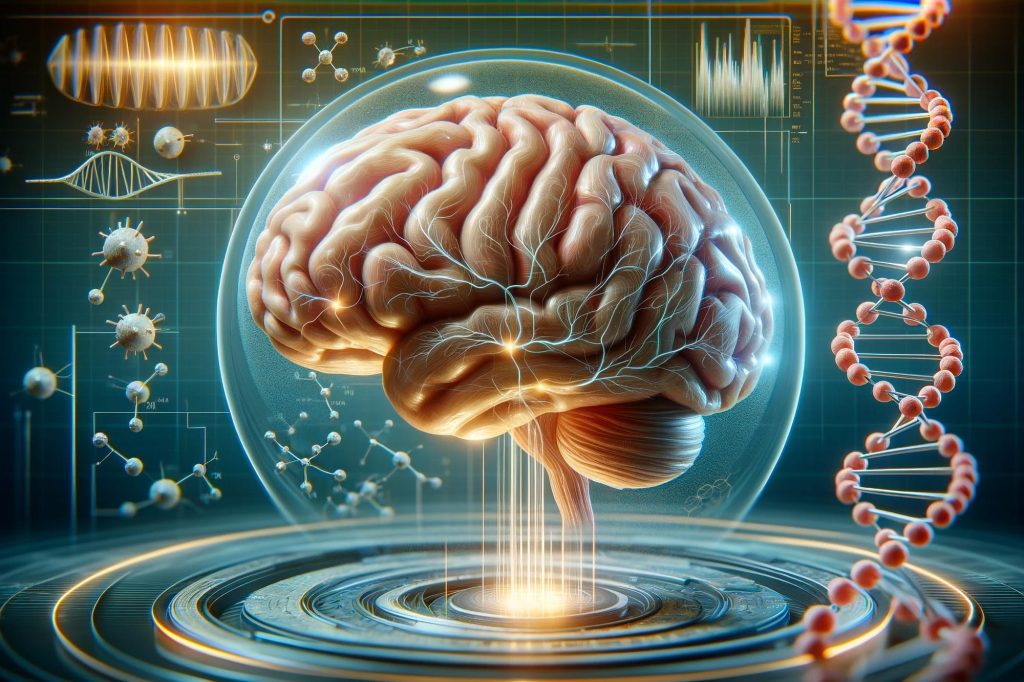
The efficacy of memory games is deeply rooted in neuroscience. When players engage in these activities, they are not just having fun; they are participating in a robust cognitive workout that can lead to real structural and functional changes in the brain. Neuroimaging studies have shown that activities like memory games increase the brain’s grey matter density in regions associated with memory processing and executive functions.
Research published in the journal *Frontiers in Human Neuroscience* highlights how regular engagement in memory exercises can enhance the hippocampus, a critical area of the brain involved in forming new memories. The hippocampus has a unique ability to grow new neurons in a process called neurogenesis, and memory games promote this growth by challenging the brain to stretch its capabilities. As these new cells mature, they improve the overall efficiency of the memory network, leading to better retention and recall both during game play and in everyday life.
The Impact of Age on Memory Game Effectiveness
Interestingly, the benefits of memory games span across all age groups but are especially pronounced in older adults. The phenomenon known as cognitive decline in aging can be mitigated significantly through regular participation in memory-refinement activities. Studies indicate that older adults who engage in memory games show less deterioration in cognitive performance over time compared to their peers who do not.
- Enhanced Recall: Elderly participants in memory studies who engaged with puzzles demonstrated greater recall ability and reduced symptoms of age-associated memory loss.
- Slower Cognitive Decline: A longitudinal study reported that those consistently practicing memory games experienced a slower rate of decline in mental agility and memory than those who were less active.
- Social Interaction: Many memory games foster social engagement, which is another vital component for cognitive health in older adults. Playing games in a group setting can stimulate discussions and teamwork, further enriching the cognitive benefits.
The timing of these cognitive benefits also raises intriguing questions about the critical periods during which learning and memory can be optimized through games. While it is beneficial for individuals of all ages to engage with memory games, newer evidence suggests that beginning these practices earlier in life can lay a strong foundation for cognitive skills that will benefit individuals well into their later years. Schools and educational programs are now embracing structured memory games to promote cognitive skills among children, fostering lifelong habits of critical thinking and memory improvement.
The Broader Benefits of Engaging with Memory Games
Apart from individual cognitive enhancement, memory games contribute to broader social and psychological well-being. Engaging in these activities can help reduce stress and anxiety levels, promoting a sense of accomplishment and boosting self-esteem. Enhanced cognitive function from memory games can lead not only to improved problem-solving abilities but also to sharper focus, heightened attention spans, and an overall improved quality of life.
By decoding the science behind memory games, we uncover a world where not only can people sharpen their mental faculties, but they can also foster social connections and improve their emotional health. As our understanding of the brain continues to evolve, so does the potential for memory games to become a cornerstone in cognitive wellness programs, schools, and rehabilitation strategies for various cognitive impairments.
DISCOVER MORE: Click here for tips on brain games for mental health
Conclusion: Unleashing the Power of Memory Games
In summary, the fascinating interplay between memory games and cognitive function reveals substantial potential for enhancing our mental capacities, across all age groups. As demonstrated by recent research, engaging in these brain-challenging activities not only leads to the growth of grey matter but also positively impacts areas like the hippocampus, effectively improving our memory retention and recall abilities. The benefits extend particularly to older adults, helping combat the typical cognitive decline associated with aging, while also offering a pathway to improved social engagement and emotional well-being.
Furthermore, the implications of introducing memory games into educational programs and rehabilitation strategies are profound. By fostering these vital skills from a young age, individuals can cultivate a lifelong relationship with cognitive growth, ensuring they maintain mental agility well into their golden years. This speaks not only to the importance of stimulating games but underlines the necessity for us to embrace cognitive wellness practices in our daily lives.
As we continue to unlock the mysteries of brain functionality, it becomes increasingly clear that memory games offer far more than entertainment; they are essential tools for enhancing cognitive health, promoting resilience in learning, and establishing a strong foundation for future generations. In a world where mental acuity is paramount, engaging with memory games presents an exciting opportunity to empower ourselves and those around us—challenging our minds to thrive and adapt in an ever-evolving landscape.