The Role of Color and Design in Memory Enhancement Through Visual Puzzles
Understanding the Influence of Color in Cognitive Engagement
Colors surround us every day, playing a crucial role in how we perceive and interact with the world. In the realm of memory enhancement, the use of color and thoughtful design in visual puzzles can significantly alter our cognitive engagement. Engaging with these puzzles offers not just entertainment but also a chance to strengthen memory and enhance brain function. Interestingly, colors can be more than mere aesthetic choices; they are powerful psychological tools that shape our responses and behavior.
Research indicates that specific colors can evoke emotions and impact learning in profound ways. For example:
- Red: This vibrant color is known to stimulate attention and increase awareness. It can evoke feelings of excitement and urgency, making it particularly effective in action-oriented puzzles where quick thinking is required.
- Blue: Often associated with calmness and focus, blue is widely used in learning environments to promote concentration and creativity. In puzzles designed to challenge critical thinking, incorporating blue elements can help users maintain a lucid mindset.
- Green: The color green promotes a sense of balance and is known to reduce anxiety. It is frequently employed in wellness activities and environments, suggesting that incorporating green in cognitive tasks can aid retention and relieve stress, creating an optimal learning atmosphere.
The significance of the layout and arrangement of visual elements cannot be overstated. Effective design in puzzles enhances user experience in several ways:
- It can guide attention to important features, ensuring that participants are oriented toward significant aspects of the task.
- Visual hierarchy enhances memorability, allowing individuals to process and retain information effectively—this structure involves varying sizes, colors, and spacing to create a clear order of importance.
- Thoughtful design encourages users to think critically and creatively solve problems, enriching the engagement and boosting the overall cognitive benefits of the activity.
The interplay of color and design in visual puzzles extends beyond mere functionality. As we engage with these thoughtfully constructed tasks, we find that they serve as dynamic tools that can elevate our cognitive capacities. The brain’s ability to perceive and respond to colors and designs can redefine how we approach memory enhancement, unlocking new pathways for learning and creative thinking. By understanding and leveraging these elements, individuals can cultivate sharper memory skills and enhance their everyday problem-solving abilities, making puzzles a valuable addition to both recreational and educational practices.
DISCOVER MORE: Click here to delve deeper
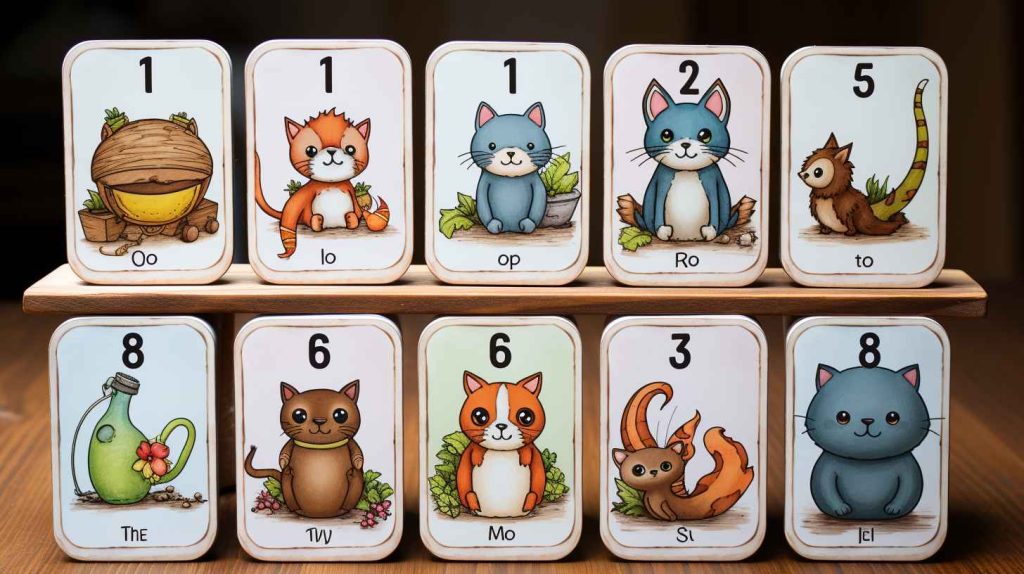
The Psychological Impact of Color in Visual Learning
When it comes to memory enhancement, the colors we encounter play a pivotal role, particularly in visually stimulating environments such as puzzles. The fascinating science of color psychology reveals that different hues can lead to distinct cognitive responses, making the application of color in visual puzzles not just a design choice but a vital component of enhancing memory and learning. By strategically incorporating color, puzzles can cater to various cognitive styles, facilitating improved recall and information retention.
Consider how colors function on both emotional and cognitive levels. Engaging with visual puzzles that utilize a spectrum of colors can strengthen neural connections associated with memory through these mechanisms:
- Attention Capture: Colors like red and orange can grab our attention and keep us focused on the puzzle at hand. Bright colors create an immediate connection, often leading to more immersive experiences where users can absorb information more effectively.
- Emotional Engagement: The interaction between color and emotion can enhance motivation. For instance, bright, cheerful colors may evoke a sense of happiness, making puzzle-solving a more enjoyable experience. When individuals feel good about their engagement, they are more likely to invest mental energy into the task.
- Cognitive Association: Different colors can be linked to various concepts or categories, helping individuals organize information. For instance, using blue to represent water-themed puzzles or green for nature-related tasks can create mental associations that aid recall.
The design aspect of visual puzzles complements the use of color in significant ways. An effective layout can create an intuitive flow and guide the user through the puzzle-solving process. Here are a few design elements that enhance cognitive engagement:
- Contrast: High contrast between colors makes essential elements stand out, ensuring that critical parts of the puzzle are easily recognizable.
- Structure and Organization: A well-structured puzzle with a clear hierarchy allows users to follow directions without confusion, improving cognitive processing and focus.
- Visual Stimuli: The inclusion of images or symbols alongside color can help to convey meaning more effectively, making it easier for users to understand complex concepts and retain them.
As we explore the dynamic relationship between color, design, and cognitive engagement, it’s clear that visual puzzles serve not merely as entertainment but as essential tools for enhancing memory. Each interaction with these thoughtfully designed puzzles molds our capabilities, sparking creativity and critical thinking. Therefore, harnessing the potential of color and design in everyday learning activities could profoundly impact cognitive development, enriching both recreational and educational experiences. With the right combination of hues and structure, puzzles can transform into powerful instruments for enhancing memory and learning.
| Advantage | Description |
|---|---|
| Cognitive Engagement | Utilizing vibrant colors and engaging designs activates cognitive processes, improving focus and retention. |
| Emotional Connection | Color psychology suggests that emotional responses to color can enhance memory recall, making learning more effective. |
Studies indicate that certain colors help in encoding information, making it easier to remember. For instance, warm colors like red or orange can lead to increased alertness while cooler shades such as blue and green promote calmness, essential for focused problem-solving tasks. Moreover, the design of visual puzzles plays a crucial role in guiding users through memory enhancement exercises. The structural layout and visual hierarchy in puzzle design help in segmenting information, allowing the brain to process pieces more effectively.Research into visual cognition demonstrates that when learners engage in visually stimulating puzzles, they experience a boost in their emotional and cognitive states, leading to enhanced memory consolidation. This ultimately transforms the learning experience into an interactive and enjoyable terrain, encouraging further exploration of how color and design can powerfully connect with our memory mechanisms. As you delve deeper into the mechanisms of memory enhancement through these intriguing visual challenges, you may uncover surprising techniques that not only cater to your intellect but also ignite your creativity.
DISCOVER MORE: Click here to dive deeper
The Integration of Design Elements for Enhanced Cognitive Function
While color undeniably influences visual puzzles in terms of memory enhancement, the design elements themselves can significantly impact how information is processed and remembered. When combined effectively, color and design not only create appealing visuals but also enhance cognitive function, making problem-solving and memory tasks more efficient and engaging.
Several design principles can be applied to maximize the effectiveness of visual puzzles, leading to substantial improvements in memory retention and learning capabilities:
- Consistency: Maintaining a uniform design throughout a puzzle helps establish a visual language that users can easily understand. This consistency reduces cognitive load, allowing individuals to focus their mental energy on solving the puzzle rather than deciphering shifting styles or layouts. Whether it’s through consistent use of colors to denote certain categories or a standardized shape for specific puzzle pieces, this approach fosters quicker recognition and recall.
- Spacing and Layout: Proper spacing around elements in a puzzle can significantly affect how users interact with the content. Clutter-free layouts allow the eye to navigate and absorb information more naturally, which can enhance memory retention. Additionally, utilizing grids or modular designs can help compartmentalize thoughts and lead to better organization of information, making it easier to retrieve later.
- Feedback Mechanisms: The incorporation of interactive elements, such as visual or auditory feedback upon solving a piece of the puzzle, can create a rewarding experience. Instant gratification, whether in the form of bright colors illuminating a completed section or sounds that signify correctness, reinforces learning and memory. Studies have shown that such immediate rewards can stimulate the brain’s reward system, further solidifying the information absorbed during the activity.
The unique appeal of puzzles infused with color and thoughtfully designed elements fosters innovative approaches to cognitive stimulation. For example, in educational settings across the United States, educators are increasingly using visual puzzles as tools for learning complex subjects, from mathematics to language arts. A study published by the American Educational Research Association indicates that students utilizing color-coded puzzles exhibit significantly higher retention rates and improved problem-solving skills compared to their peers who engage in traditional learning methods.
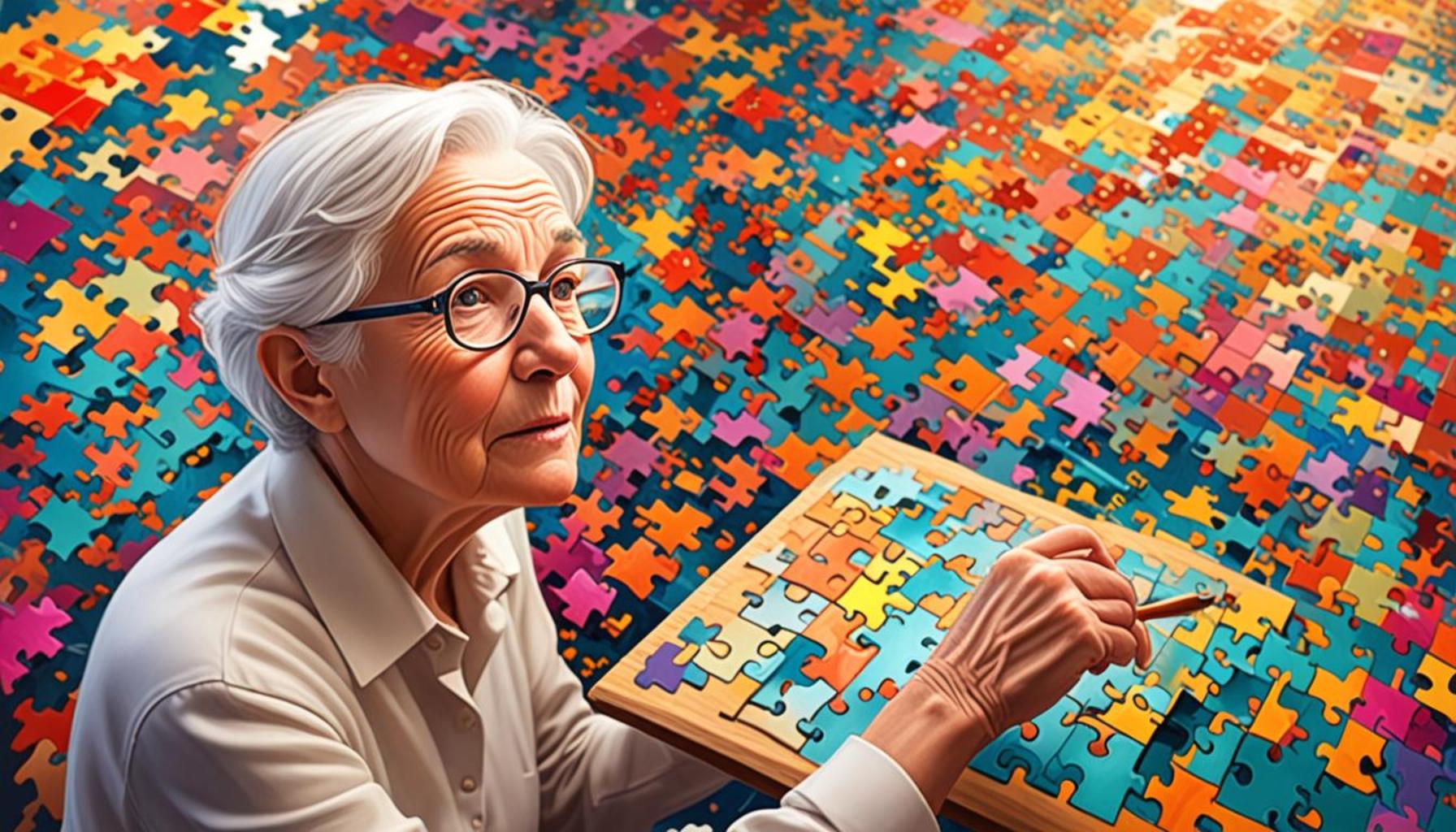
Moreover, engaging with color- and design-enriched puzzles can benefit individuals of all ages. Remarkably, older adults who participate in such activities have shown improvements in memory recall and have likened their experiences to cognitive therapies designed to combat memory decline. Visual puzzles not only represent a fun endeavor but also serve as therapeutic tools promoting mental agility and engagement.
As we appreciate the multifaceted role of design in visual puzzles, it becomes evident that the evolution of how we perceive color and structure can lead to advancements in cognitive science. Continued exploration into the ways these elements intertwine may yield invaluable insights into learning methodologies and memory enhancement techniques. By tapping into this innovative sector of puzzle design, we can help foster environments rich in creativity, engagement, and cognitive growth, effectively reshaping the landscape of memory improvement.
DISCOVER MORE: Click here to learn how logic games can enhance cognitive skills in children
The Impact of Color and Design on Memory Enhancement
In conclusion, the exploration of color and design in visual puzzles reveals not only their aesthetic appeal but also their profound impact on memory enhancement. By effectively integrating elements of consistency, spacing, and feedback mechanisms, we create puzzles that not only captivate users but also facilitate better cognitive function and learning outcomes. The research and practical applications in educational settings across the United States emphasize the significance of these elements, demonstrating impressive improvements in retention rates and problem-solving abilities.
Moreover, the benefits extend beyond academic environments, offering valuable cognitive therapy tools for individuals of all ages, particularly older adults seeking to maintain their mental acuity. The interactive nature of these puzzles acts as a stimulant, encouraging engagement and fostering mental agility. As we continue to delve into the intricate relationship between visual design and memory, we uncover new avenues for enhancing cognitive skills, which can reshape learning methodologies across diverse sectors.
Ultimately, as we recognize the formidable potential of color and design in memory enhancement through visual puzzles, we invite researchers, educators, and puzzle enthusiasts alike to embrace innovative approaches. By doing so, we can cultivate enriching environments that not only promote creativity but also secure lasting advancements in cognitive health and memory improvement. The intersection of aesthetics and cognitive science is more than an exploration—it is an exciting journey toward enhancing our understanding of the human mind.