How Traditional Board Games Can Enhance Memory Retention in Family Settings
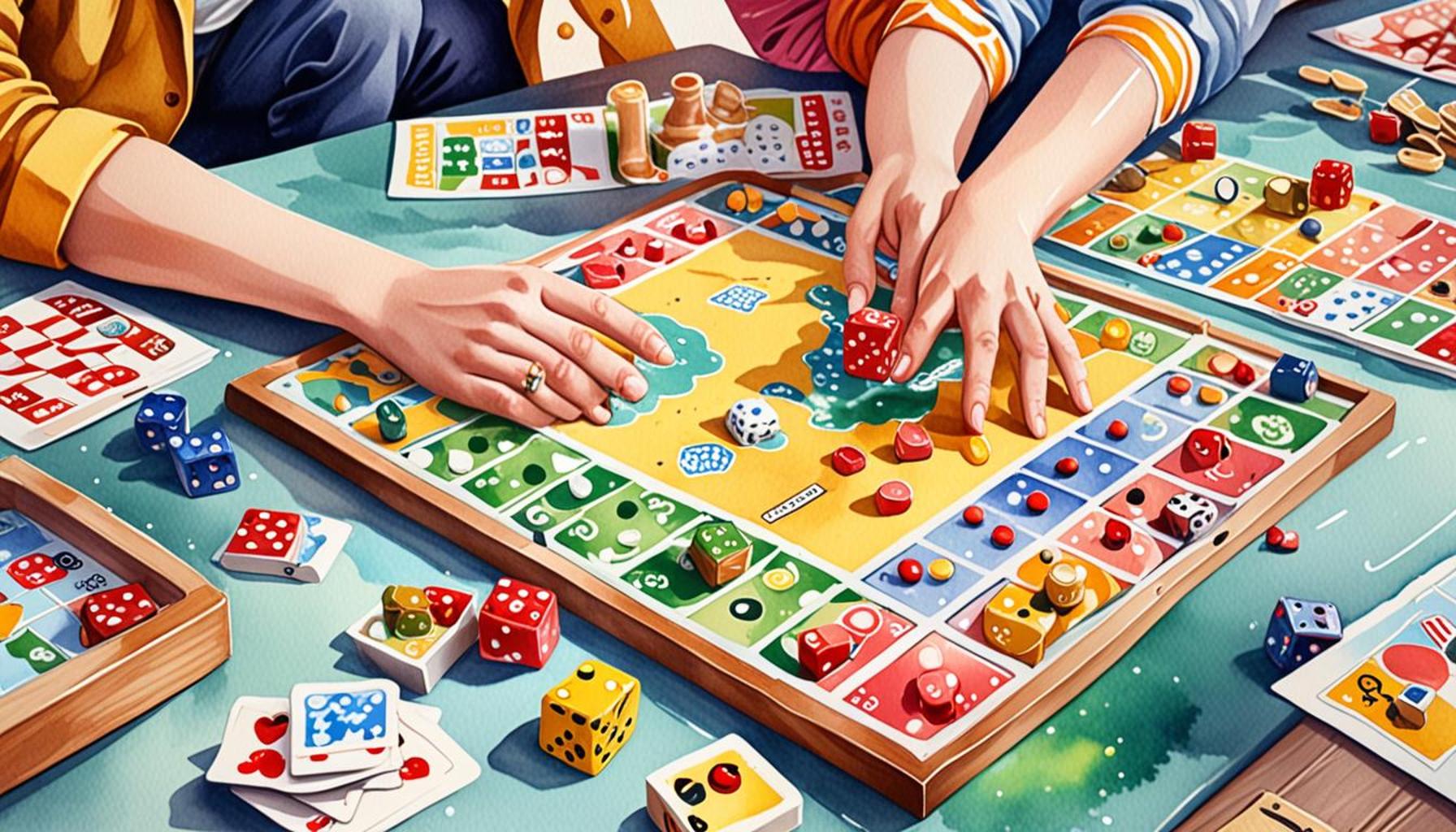
Cognitive Development through Board Games
In recent years, the resurgence of traditional board games has captured the attention of families looking to disconnect from the digital world. These games provide a much-needed respite, fostering personal connections and creating a stimulating environment for cognitive development among participants.
Psychological studies have consistently shown that engaging with board games can significantly enhance memory retention as well as improve overall mental agility. Here are some of the ways that board games achieve these benefits:
- Social Interaction: Board games serve as a catalyst for fostering deep connections through communication. When families engage in games, they share strategies, express emotions, and support each other, building relationships that extend beyond the game itself. For example, collaborative games like Pandemic require players to work together to achieve a common goal, promoting teamwork and enhancing interpersonal skills.
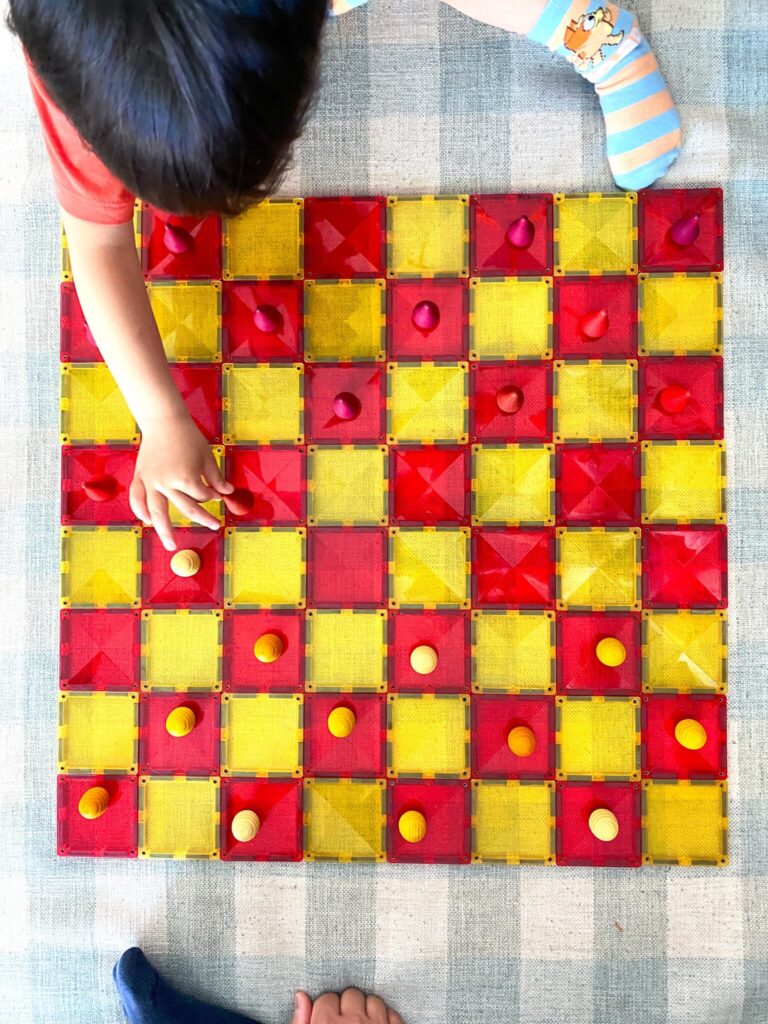
- Strategic Thinking: Many board games encourage players to think multiple steps ahead, which can significantly hone their problem-solving capabilities. Games like Chess, known for its strategic depth, enable players to consider various possibilities before making a move. This kind of strategic planning not only entertains but pays dividends in real-life scenarios requiring critical thinking.
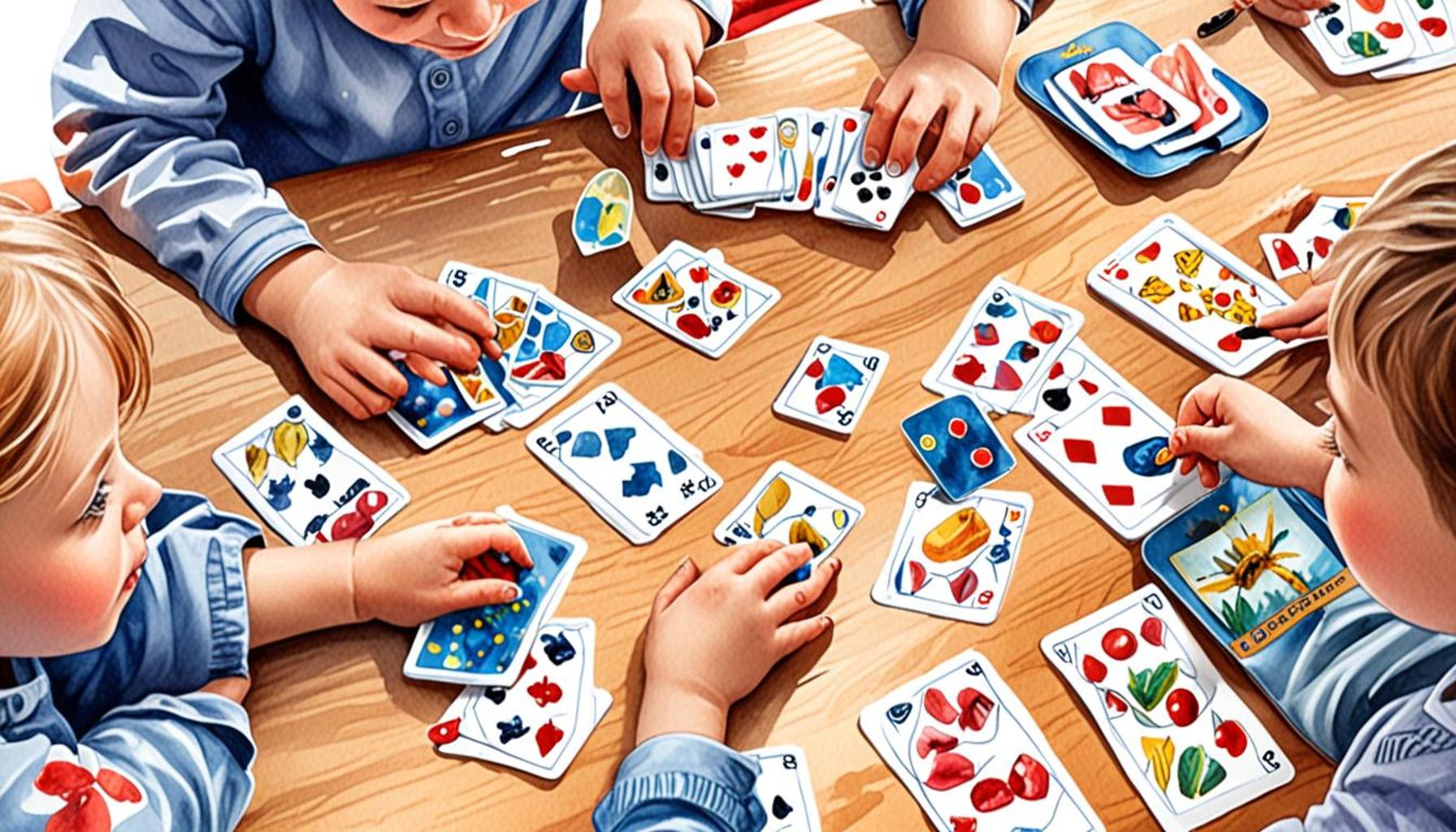
- Memory Challenges: The act of remembering rules, player actions, or specific game mechanics can have considerable positive effects on memory improvement. Consider games like Memory or Uno where players must recall discrete details to win. This repetition can strengthen neural connections, thus enhancing cognitive functions related to memory.
With a plethora of options available, families can select games tailored to their interests and age ranges, ensuring the inclusivity of all family members. Classic games such as Monopoly and Scrabble not only bring nostalgia but also challenge players to think critically and creatively. More contemporary options like Codenames or Ticket to Ride introduce elements of strategy and quick thinking while remaining fun for players of varied skill levels.
The benefits of gathering around a board game table extend beyond the mechanics of gameplay. The laughter, friendly banter, and joyous celebrations over small victories create cherished moments that solidify familial bonds. Such experiences often become a part of family lore, shared stories that are recounted during future gatherings.
As we delve deeper into the multifaceted benefits of traditional board games, we uncover their potential not only to enhance memory retention but also to foster emotional well-being and strengthen family dynamics. It becomes evident that in a world increasingly oriented towards technology, the simple act of playing board games can yield profound positive effects on both individual and collective cognitive growth.
LEARN MORE: Click here to discover effective mental games
Engagement through Interactive Play
The immersive nature of traditional board games provides an unparalleled avenue for enhancing memory retention among family members. When families gather around a board game, they are not just playing for entertainment; they are engaging in a multifaceted exercise that actively stimulates various cognitive processes. This engagement can lead to a series of positive outcomes, particularly in improving short-term and long-term memory.
One of the most significant aspects of board games is their capacity to incorporate multiple types of memory challenges, ranging from rote memorization to complex strategic recalls. This interactive play encourages participants to grasp and apply game rules, remember specific sequences of actions, and adjust tactics based on opponents’ behaviors. Such exercises can be particularly valuable for children, as they develop crucial cognitive skills that will serve them well into adulthood.
- Reinforcement of Learning: Repeated exposure to the same game allows players to build upon previous experiences. As family members play the same games, they reinforce their understanding of the mechanics and improve their ability to recall information related to the game, effectively enhancing their overall memory capacity.
- Active Participation: The candor and interaction integral to board gaming demand active participation, a stark contrast to passive entertainment such as watching television. For instance, games like Clue require players to monitor their own progress while keeping track of others’ moves, fostering enhanced observational memory.
- Age-Appropriate Learning: The adaptability of board games extends to their appropriateness for various age groups. Games designed for younger players often incorporate simpler mechanics that emphasize memory skills, whereas more complex games challenge older players to enhance their strategic thinking in addition to memory retention.
Additionally, the social aspect of board games adds another layer of cognitive benefit. Engaging in a lively discussion over game strategies or laughing at a blunder contributes significantly to a player’s ability to remember past gameplay. This combination of social interaction and cognitive challenge creates a rich learning environment that is rarely found in other settings.
Moreover, the nostalgic value of traditional board games empowers families to forge connections with their past. Titles like Scrabble and Monopoly have been passed down through generations, invoking shared memories that can amplify the pleasure of play. Each game night evokes stories fraught with personality and emotion, giving players even more context for recalling memories tied to the games themselves.
Ultimately, traditional board games do more than just entertain; they serve as interactive platforms for enhancing memory retention in family settings. By merging social interaction with cognitive challenges, these games provide a stimulating environment that encourages all participants to engage, learn, and grow. As families navigate through the strategy-laden terrains of their favorite board games, they unknowingly empower their cognitive abilities, solidifying memories that stand the test of time.
| Advantage | Description |
|---|---|
| Enhanced Cognitive Skills | Playing board games stimulates mental processes, fostering logical thinking and concentration. |
| Improved Communication | Family game nights encourage dialogue, allowing members to express strategies that beautify interpersonal relationships. |
| Development of Strategic Thinking | Games like chess and Settlers of Catan require anticipation of opponents’ moves, honing foresight. |
| Social Interaction | Board games create a shared experience and help strengthen family bonds through teamwork and mutual goals. |
Discover how integrating more board games into family routines not only nurtures relationships but also paves the way for enhancing memory retention and overall cognitive development, encouraging all family members to engage and learn through play. These fun and interactive experiences lead to lasting memories and a greater understanding of each other’s actions and decisions. The next time you gather around a table for a game, remember that each roll of the dice could be strengthening your family’s connection and boosting everyone’s mental prowess!
DISCOVER MORE: Click here to learn about the benefits of logic games
The Cognitive and Emotional Benefits of Board Games
Beyond the immediate family bonding and fun, traditional board games serve as powerful tools for enhancing memory retention through their cognitive and emotional benefits. The simple act of playing a game can open the door to an array of psychological advantages that are often overlooked.
One striking feature of board games is their ability to foster problem-solving skills, which are essential for effective memory retention. Games such as chess and Settlers of Catan require players to think critically and make strategic decisions based on incomplete information. This process sharpens the brain’s analytical capabilities, helping players reinforce their memory by transforming abstract concepts into experiential learning. Research indicates that active engagement in strategic decision-making helps strengthen neural pathways associated with memory, creating more robust memory structures.
The emotional satisfaction that arises from playing games together cannot be understated. When families enjoy game nights, feelings of joy, camaraderie, and even the thrill of competition create a memorable environment. This emotional connection is vital; memory is often retained more effectively when tied to strong emotional experiences. Board games can elicit laughter, playful banter, or even friendly rivalries, acting as catalysts for creating lasting memories. Studies suggest that our emotional states can significantly influence how we process information, making high-stakes moments in games a rich ground for reinforcing our memory.
- Stress Reduction: The light-hearted nature of board gaming can lead to stress relief, providing a break from daily pressures. Lower stress levels have been linked to better memory retention as they allow the brain to focus more effectively on cognitive tasks.
- Collaborative Learning: Many board games require teamwork and collaboration, which can help improve not only individual memory but also group memory as family members share and build on each other’s knowledge. Games like Pandemic require players to strategize together, making shared decisions that will enhance collective memory retention.
- Sustained Attention: Board games encourage sustained mental engagement over extended periods. The focus and concentration required when playing complex games serve to exercise the brain in the same way physical activities boost bodily health. This prolonged attention span can translate to better memory retention, as players must concentrate on various elements simultaneously.
Research has indicated that playing board games can lead to neurological benefits, particularly in older adults. As families gather around the game board, they not only cherish their time together but also stave off cognitive decline. Regular engagement in mentally stimulating activities like board games may help improve memory capacities and decrease the risk of dementia, reinforcing the idea that these simple pastimes have profound implications for our mental health.
The versatility of traditional board games allows them to cater to various group types and dynamics. From smaller family units to larger gatherings, these games adapt effortlessly, providing everyone with the opportunity to reap the cognitive rewards. Classic games like Risk or Ticket to Ride bring people together, leveraging the innate desire for social interaction while enhancing deep-seated memory skills.
In summary, the cognitive and emotional benefits of traditional board games extend far beyond mere entertainment. By harnessing the power of strategic thinking, emotional bonding, and collaborative learning, families can create a memorable environment that actively promotes greater memory retention. These traditional pastimes empower players to forge connections while simultaneously exercising their minds, making them invaluable to family life in the United States and beyond.
LEARN MORE: Click here for tips on brain games and stress relief
Conclusion: The Lasting Impact of Traditional Board Games
In a world increasingly dominated by screens and fast-paced digital entertainment, traditional board games offer a unique sanctuary where family connections can thrive while simultaneously enhancing memory retention. The multifaceted benefits of these games—spanning cognitive, emotional, and social dimensions—illustrate their invaluable role in family life.
Through strategic problem-solving and the joy of shared experiences, board games foster an environment ripe for memory enhancement. Players not only exercise their minds but also create emotional bonds that solidify memory retention, proving that not all learning occurs within the confines of a classroom. As families engage around the game board, they cultivate both individual and collective memories, enriched by laughter, collaboration, and the occasional friendly competition.
Furthermore, the stress-relieving nature of these gatherings allows families to escape day-to-day pressures, creating a mental space ideal for memory formation. Studies suggest that integrating regular board game nights can serve as a necessary counterbalance to the cognitive decline associated with age, making these simple pastimes a proactive approach to mental health for all generations.
Ultimately, traditional board games empower families to not only strengthen their bonds but also sharpen their cognitive abilities in an engaging way. As families continue to navigate modern life together, the humble game night may just be the key to enhancing memory retention and ensuring cherished moments last a lifetime. By embracing these time-honored activities, families across the United States and beyond can unlock the potential of their collective memory—one delightful game at a time.