
Memory Enhancement Techniques: The Role of Mind Games in Daily Life
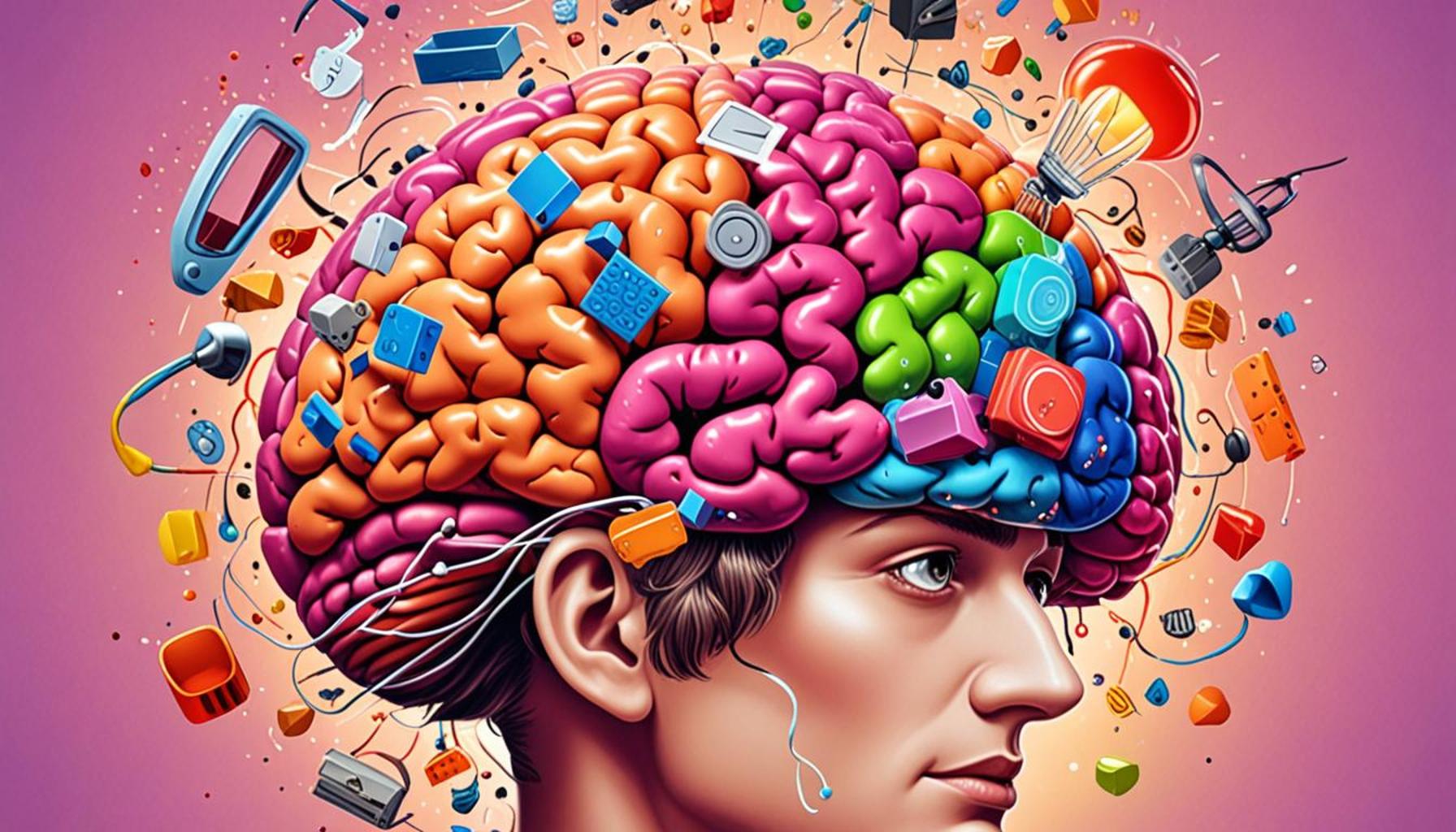
Unlocking the Power of Your Mind
In today’s fast-paced world, enhancing memory is more crucial than ever. With countless demands on our attention, many seek effective memory enhancement techniques to stay sharp and focused. Among these methods, mind games emerge as engaging and practical solutions that can easily fit into daily routines.
Mind games not only provide entertainment but also serve as powerful tools for cognitive improvement. Engaging with these activities consistently can lead to substantial benefits in mental health and cognitive function. Let’s delve into the compelling aspects of incorporating mind games into your life.
- Boosts Brain Function: Regular practice can enhance memory recall and processing speed. Studies show that individuals who engage in activities like crossword puzzles or brain-training apps may improve their overall cognitive performance, as these games challenge various areas of brain function. For example, a simple game such as Lumosity has been designed to train core cognitive skills that directly impact memory.
- Enhances Focus: Mind games require concentration, helping to refine attention skills. Activities like chess or memory card games necessitate a high degree of focus, effectively training the brain to ignore distractions. Research indicates that playing such games can lead to increased attention span and better concentration, which can be particularly useful in both academic and professional settings.
- Promotes Mental Agility: Engaging with puzzles and strategy games strengthens problem-solving abilities. For instance, Sudoku not only helps with number skills but also improves logical thinking and pattern recognition, enhancing your ability to tackle complex problems in everyday life.
These techniques encompass a range of activities, from classic puzzles to innovative mobile apps designed for cognitive training. The beauty of mind games is their versatility; they can be played solo during a morning commute, in a group setting, or even as a family activity to cultivate family bonding while sharpening minds.
As advancements in neuroscience continue to unveil the intricate workings of the brain, the potential benefits of mind games become clearer. Research has identified that regular cognitive engagement through these games can help reduce the risk of cognitive decline associated with aging. This makes the integration of mind games not only an enjoyable pastime but also an investment in long-term brain health.
In this article, we’ll explore various memory enhancement techniques, with an emphasis on how mind games can be effectively integrated into your everyday life. Whether you choose to download a smart phone app, join a local trivia night, or simply solve a puzzle in your spare time, discover how making time for these enjoyable exercises can lead to remarkable improvements in memory and overall brain health.

DIVE DEEPER: Click here to discover how reasoning games can help alleviate stress
Engaging Your Brain: The Science Behind Mind Games
When it comes to memory enhancement techniques, mind games have gained traction as an effective approach to foster cognitive development. These games, ranging from word puzzles to strategic board games, are more than just entertainment; they provide a structured way to stimulate the brain and hone memory skills. But what underpins their effectiveness?
Research suggests that the brain is highly adaptable, a concept known as neuroplasticity. This means that engaging in mentally stimulating challenges can strengthen neural connections and even create new ones. Just like physical exercise is crucial for the body, brain exercises through mind games can enhance cognitive functions. Studies published in scientific journals have shown that older adults who regularly engage in mentally stimulating activities exhibit less cognitive decline than their peers who do not.
Moreover, mind games can trigger the release of neurotransmitters, which are chemicals responsible for transmitting signals in the brain. Activities that require problem-solving, memory recall, and strategic planning not only boost memory but also promote better mood and mental health. For instance, an engaging game of Scrabble or a challenging Sudoku puzzle can elevate levels of serotonin, the feel-good neurotransmitter, creating a dual benefit of boosting mood while enhancing memory.
Types of Mind Games that Enhance Memory
With a plethora of options available, it’s important to choose mind games that resonate with your interests. Here are some popular categories of mind games that can serve as powerful tools for improving memory:
- Word Games: Activities like Scrabble, Boggle, and crossword puzzles engage language skills, enhancing vocabulary and recall.
- Logic and Strategy Games: Chess and Go require planning and foresight, fostering critical thinking and problem-solving abilities.
- Memory Games: Card-matching games or apps like Peak, which challenge recall abilities, enhance both short-term and long-term memory.
- Number Puzzles: Sudoku and Kakuro improve numerical skills and require concentration and logical reasoning, further sharpening cognitive abilities.
- Trivia and Quiz Games: Platforms like Kahoot! and traditional trivia nights can stimulate knowledge retention and recall, providing a fun yet competitive way to learn.
As you explore the world of mind games, it’s essential to consider not only enjoyment but also how each activity aligns with your cognitive goals. Whether playing solo or engaging in social settings, these games can seamlessly integrate into your daily routine, transforming mundane moments into valuable cognitive training sessions.
Incorporating mind games into your lifestyle could pave the way for improved memory retention and cognitive agility. The journey to cognitive enhancement does not require extensive time commitments, but rather a willingness to engage consistently in activities that challenge the brain.
| Category | Key Features |
|---|---|
| Cognitive Games | Enhance problem-solving and critical thinking. |
| Social Interaction | Encourages team-based challenges that stimulate conversation. |
| Memory Recall Exercises | Boosts free recall and recognition, vital for daily tasks. |
| Emotional Resilience | Fosters a positive mindset through engaging gameplay. |
Engaging in mind games is more than just a way to pass the time; it serves as an effective memory enhancement technique that can be seamlessly integrated into daily life. Cognitive games, for example, are designed to enhance problem-solving and critical thinking skills, challenging the brain and forcing it to adapt. This kind of mental exercise is essential for anyone striving to maintain cognitive health in an ever-evolving world. Moreover, these games often promote social interaction, as many of them require collaboration or competition with others. This interaction not only enriches the experience but also stimulates conversation, thereby sharpening communication skills and memory through shared experiences. Additionally, activities centered around memory recall exercises are fundamental for rejuvenating the brain’s natural ability to retrieve information. Frequent practice can significantly enhance both free recall and recognition, which are crucial for managing everyday tasks efficiently. To top it all off, the emotional resilience built through participating in engaging games fosters a positive mindset, vital for navigating the stresses of daily life. By integrating these memory-enhancing techniques into your routine, you can actively contribute to your cognitive well-being while enjoying a fun and interactive way to challenge your mind.
DISCOVER MORE: Click here for tips on boosting your mental health
Integrating Mind Games into Your Routine: Practical Tips
To fully take advantage of memory enhancement techniques through mind games, it is crucial to incorporate them into your daily life effectively. Adopting a strategic approach not only maximizes cognitive benefits but also turns brain training into an enjoyable part of your routine. Here are some actionable tips to seamlessly weave mind games into your everyday activities:
Set a Daily Time Commitment: Establishing a specific time each day dedicated to mind games can build a productive habit. Whether it’s 15 minutes in the morning with a crossword puzzle over coffee or a quick round of Sudoku during lunch breaks, consistency is key. Creating a regular schedule encourages mental engagement and reinforces the brain’s adaptive capabilities.
Make It Social: Engaging in mind games with friends or family can enhance the experience significantly. Host weekly game nights centered around trivia contests or board games like Settlers of Catan. Social interaction not only boosts motivation but also helps in retaining information through discussions and shared strategies. Research indicates that social play is particularly beneficial for cognitive health, as it can provide emotional and psychological stimulation.
Use Technology to Your Advantage: Today’s digital landscape offers numerous apps designed to enhance memory through fun and interactive games. Platforms like Lumosity and Elevate provide tailored exercises aimed at improving various cognitive skills, including memory. Daily challenges and progress tracking can motivate players to remain engaged. Moreover, utilizing online in-person quizzes can expand knowledge while providing a competitive edge.
Expand Your Game Selection: To keep your mind games fresh and stimulating, explore a diverse range of genres. Try out not only traditional board games but also emerging digital games that require quick thinking and fast recall. Engaging with varied types of games can prevent cognitive stagnation and encourage neural growth across multiple areas.
Blend Mind Games into Other Activities: Incorporate mind games during downtime in other daily activities. For instance, while waiting for an appointment or during a commute, use mobile apps or carry a small puzzle book. This way, moments that might otherwise feel unproductive can transform into opportunities for mental stimulation, maximizing your time effectively.
Track Your Progress: Keeping a journal of your mind game performance can offer insights into your cognitive growth. Recording your scores, the types of games played, and your reflections about your improvement can serve not only as motivation but also as a means to identify trends in your cognitive strengths and weaknesses. This level of self-analysis can guide your choice of games to target specific areas that need enhancement.
As you embrace these practical techniques, remember that the goal is not merely to win games but to strengthen your neural connections and enhance memory retention. By dedicating time and intentionality toward engaging in mind games, you can make strides in not only memory enhancement but also overall cognitive health.
DISCOVER MORE: Click here to dive deeper
Conclusion: Unlocking Your Cognitive Potential
In a world inundated with distractions, the importance of memory enhancement techniques is more pertinent than ever. Mind games offer more than mere entertainment; they serve as valuable tools to sharpen cognitive abilities and strengthen memory retention. By integrating these engaging activities into your daily routine, as discussed in practical tips, you can foster a mentally stimulating environment that encourages ongoing brain development.
Research shows that consistent engagement in mind games not only supports memory enhancement but also builds protective barriers against age-related cognitive decline. With various options—from traditional board games to innovative digital applications—there is no shortage of ways to keep your mental faculties active and robust. Harnessing the power of social interaction through family game nights or friendly competitions can further amplify these benefits, proving that learning often flourishes in collaborative settings.
As you embark on this journey of cognitive improvement, remember to track your progress and explore a diverse range of games tailored to your interests. Consider each moment spent on mind games an investment in your brain health, which pays dividends in both your personal and professional life. Ultimately, the key is to cultivate an enriching routine that effortlessly incorporates these techniques, making memory enhancement not just a goal but a lifestyle.
Embrace the challenge, engage your mind, and let the world of mind games unlock your cognitive potential, enhancing not only your memory but the overall quality of your daily experiences. The future of your mental agility is in your hands—start playing, and see how far your mind can take you!