How Interactive Storytelling Puzzles Can Enhance Memory and Imagination in Children
Interactive Storytelling Puzzles: A Cognitive Playground
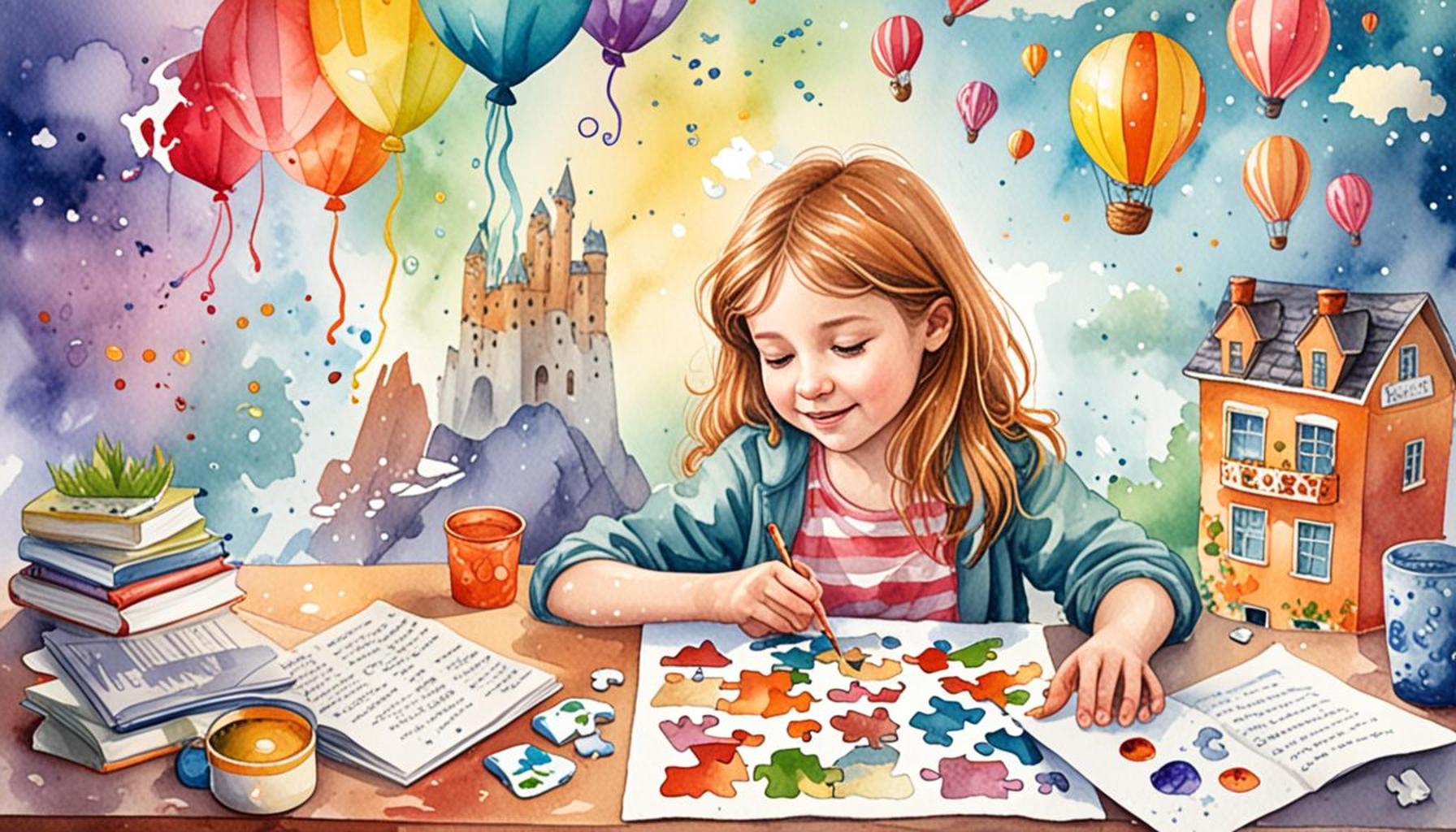
In an age where children’s free time is often consumed by screens, the value of play—particularly in the form of interactive storytelling puzzles—has never been more crucial. These innovative tools stimulate both entertainment and education, paving the way for cognitive development in young minds. The blend of narrative and puzzle-solving creates a unique environment that can unlock a child’s potential in fascinating ways.
- Enhance Memory: Engaging with puzzles prompts children to remember various elements such as characters, plot twists, and sequences. This mental gymnastics not only improves short-term recall but also promotes the strengthening of neural connections in the brain. For example, when children piece together clues in a mystery puzzle, they must keep track of numerous details that contribute to the overall story. This active engagement fosters deeper memory retention and aids in learning.
- Stimulate Imagination: When tasked with constructing narratives or solving inventive challenges, children enter worlds limited only by their creativity. They might come up with unique endings for familiar stories or develop their characters, enhancing their ability to think outside the box. A child crafting a heroic tale where they are the protagonist learns storytelling while enriching their imaginative prowess, which is crucial in various facets of life, from art to interpersonal skills.
- Encourage Problem-Solving: Puzzle mechanics introduce scenarios requiring children to think critically and navigate challenges. For instance, in a puzzle game where they must decide how to proceed based on character choices, children learn to weigh consequences against potential outcomes. This reasoning is invaluable; studies have demonstrated that children who practice these problem-solving skills show a marked improvement in logic and decision-making abilities.
Recent research sheds light on how deeply intertwined interactive storytelling is with improved educational outcomes. Active participation in storytelling, combined with puzzle-solving, has been shown to increase information retention by an impressive 25%. This statistic highlights the significant impact these games can have on learning capabilities, leading to greater comprehension of complex topics.
As we transition toward more effective educational practices, the impact of interactive storytelling puzzles cannot be understated. Parents and educators alike are recognizing their potential as engaging platforms for exploration and learning. Through the process of solving puzzles and weaving narratives, children not only have fun but develop essential skills that can enhance their academic and social futures.
This article aims to explore the transformative effects of interactive storytelling puzzles on education, revealing how play can spark curiosity and creativity like never before. As we delve into this exciting realm, it becomes evident that these tools are more than just games; they are gateways to cognitive development and enriched life skills for children.
DISCOVER MORE: Click here to learn how reasoning games can help
Building Cognitive Skills Through Engaging Narratives
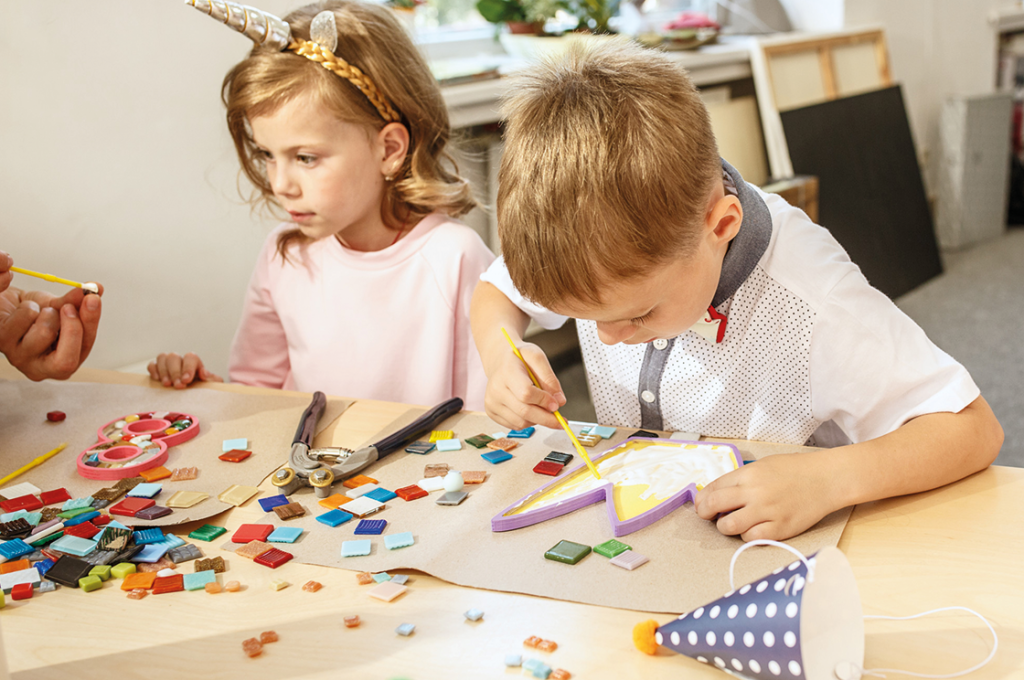
The integration of interactive storytelling puzzles into children’s playtime offers a powerful medium to nurture essential cognitive skills. At the heart of this premise is the idea that engaging children in stories while challenging them with puzzles creates a dynamic learning experience. These activities stimulate the brain in unique ways, fostering both memory retention and imaginative thinking.
One of the key areas where interactive storytelling puzzles shine is in enhancing memory. When children engage with complex narratives and solve related riddles or tasks, they are often required to track various storyline elements, from character arcs to developing plot lines. This process necessitates mental agility, compelling them to recall specific information that influences their problem-solving strategies. For instance, in a scenario where a child is solving a mystery puzzle, they must retain details about suspects, motives, and the timeline of events, honing their ability to remember and organize information effectively.
Research has indicated that children participating in interactive storytelling activities can improve memory retention by as much as 30% compared to passive learning methods. Such statistics underscore the significance of interactivity in capturing young minds and enhancing their learning capacity. As children engage actively with the content, they forge stronger connections in their brains, ultimately contributing to a more profound understanding of concepts and narratives over time.
Imagination: The Playground for Creativity
Beyond memory enhancement, interactive storytelling puzzles serve as a vital catalyst for stimulating imagination. Through these creative exercises, children can explore vast worlds and scenarios limited only by their creativity. They are encouraged to think innovatively, whether they are constructing their unique plot lines or inventing characters with distinct personalities and backgrounds. This free-form exploration enriches their imaginative capabilities and fosters an appreciation for storytelling.
For example, imagine a child participating in a puzzle game where they must create multiple endings for a fairy tale based on their character’s choices. This challenge does not merely entertain; it stimulates critical thinking and aids in developing narrative skills. By envisioning various outcomes and manipulating story elements, children learn to embrace uncertainty and hone their artistic expression, crucial skills for navigating both academic and social spheres.
- Develop Character Understanding: Engaging with diverse personalities in stories, children learn empathy and emotional intelligence by relating to different characters and their experiences.
- Encourage Visual Thinking: Puzzles that require visualizing scenarios or mapping storylines help foster spatial intelligence and the ability to visualize concepts.
- Promote Teamwork: Many interactive puzzles are designed to be tackled cooperatively, allowing children to engage in effective communication and collaborative problem-solving.
As we delve deeper into how interactive storytelling puzzles can transform the childhood experience, it is essential to recognize their role in cognitive skill development. By blending entertainment with structured learning, these tools pave the way for a generation of children who are not only more imaginative but also better equipped to navigate the challenges of the future.
| Advantages | Details |
|---|---|
| Engagement | Interactive storytelling puzzles actively involve children in their learning process, making them more likely to retain information. |
| Creativity Booster | These puzzles encourage imaginative thinking as children create their own narratives and solutions to challenges presented throughout the story. |
The integration of interactive storytelling puzzles into children’s learning environments can significantly impact their cognitive development. By fostering engagement, these puzzles not only captivate children’s attention but also aid in improving their memory retention as they navigate through stories and challenges. Moreover, the creative potential ignited by such activities leads to enhanced imagination, encouraging children to become active participants in their narratives, rather than passive observers. This transition from traditional storytelling to interactive elements empowers children to explore a spectrum of possibilities, ultimately supporting their growth in both memory and creativity.
DISCOVER MORE: Click here to find out how reasoning games can help
Engagement Through Interactive Mechanics
The allure of interactive storytelling puzzles lies not only in their narrative depth but also in the engagement mechanics that captivate a child’s interest. This engagement is crucial as it directly contributes to their cognitive development. When children are engrossed in a story that requires active participation—be it through problem-solving, decision-making, or character interaction—they experience heightened focus and involvement. This active engagement is shown to boost learning outcomes significantly, making the material both memorable and meaningful.
One effective method of fostering this engagement is through gamification. By incorporating game-like elements, such as points, levels, or challenges, interactive storytelling puzzles can maintain children’s attention and motivate them to progress through the narrative. For instance, consider a digital story-based puzzle that requires users to complete a series of tasks to unlock new chapters or alter the story path. This approach not only enhances the children’s sense of achievement but also encourages them to think critically about their choices and their consequences within the narrative.
Statistics reveal that gamified learning experiences can increase motivation to learn by up to 50%, which underscores the effectiveness of gameplay in educational settings. Children are more likely to remember information and retain skills learned when they associate them with enjoyable experiences. This translates into stronger retention of storylines and character details, reinforcing the cognitive development associated with storytelling puzzles.
Nurturing Emotional and Social Skills
Interactive storytelling puzzles also offer a unique opportunity to nurture emotional intelligence and social skills in children. Many interactive narratives explore themes of friendship, conflict resolution, and empathy, prompting children to reflect on their feelings and the emotions of characters. For example, a story that follows a character facing bullying or loneliness can ignite discussions about empathy and the importance of kindness, helping young learners connect emotionally with the material.
Additionally, many interactive puzzles encourage collaboration, allowing children to work together towards common goals. By engaging in cooperative storytelling activities, they develop essential social skills such as communication, negotiation, and teamwork. These experiences not only strengthen their understanding of the narrative but also support important interpersonal skills which are paramount in both academic and social contexts.
- Encourage Emotional Reflection: As children navigate stories that pose moral dilemmas, they learn to analyze various emotional responses, enhancing their ability to relate to others.
- Foster Inclusivity: Puzzles designed for group play can incorporate diverse characters and scenarios, teaching children the importance of inclusivity and respect for differences.
- Enhance Communication Skills: Working in teams during interactive storytelling allows children to practice articulating thoughts and listening to peers, ultimately strengthening their communication capabilities.
As we continue to explore the substantial benefits of interactive storytelling puzzles, it is evident that they play a vital role in shaping not only memory and imagination but also interpersonal skills that are essential for success in life. By marrying storytelling with interactivity, we open doors to creative possibilities that extend beyond the realm of literature and into vital life lessons.
DISCOVER MORE: Click here to learn about the stress-reducing benefits of reasoning games</
Conclusion: Unlocking Potential Through Storytelling
In conclusion, the integration of interactive storytelling puzzles into children’s learning experiences presents a remarkable opportunity to foster not only their memory and imagination but also critical emotional and social skills. By engaging children in narratives that require active participation, these puzzles cultivate a level of involvement that traditional storytelling often lacks. The gamification aspect further amplifies this engagement, motivating children to tackle challenges and explore diverse outcomes, leading to improved retention and comprehension of the material.
Moreover, as children navigate complex characters and scenarios, they are encouraged to reflect on their own emotions while developing essential interpersonal skills through collaboration and dialogue. This emotional intelligence supports the understanding of empathy and inclusivity, crucial components in thriving social environments. With statistics indicating that gamified experiences can enhance a child’s motivation to learn by up to 50%, it’s clear that interactive storytelling enriches education far beyond simple rote learning.
As educators and parents seek innovative ways to enhance cognitive and emotional growth, embracing interactive storytelling puzzles may be the key to unlocking children’s full potential. Whether through digital platforms or physical engageable stories, these tools enrich children’s lives, inviting them not just to consume stories but to live them. By incorporating such engaging methodologies into children’s education and play, we pave the way for future generations to become imaginative storytellers and empathetic individuals.