
The role of group reasoning games in developing critical thinking skills
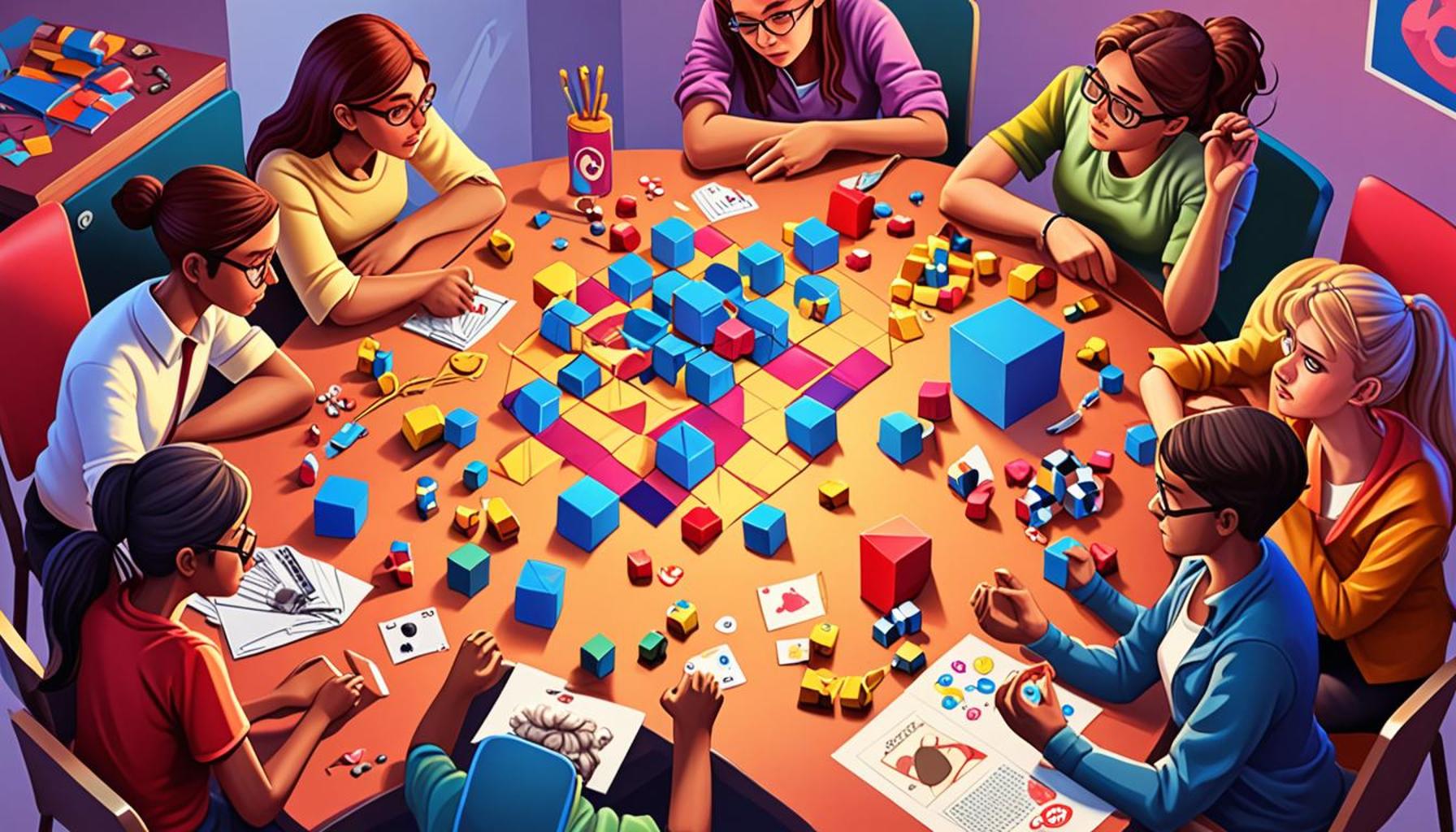
The Impact of Group Reasoning Games on Critical Thinking
In recent years, the rapid evolution of workplace demands has reinforced the importance of critical thinking skills. As professionals navigate increasingly complex environments, they rely heavily on their ability to analyze, evaluate, and synthesize information. To address this growing need, group reasoning games have come to the forefront as a dynamic tool for enhancing these skills. Not only do they provide a means of entertainment, but they also serve as a powerful catalyst for personal and collective development.
What makes group reasoning games such a compelling addition to traditional learning methods? Several key aspects set them apart:
- Collaborative learning: One of the standout features of group reasoning games is the opportunity for participants to engage with diverse perspectives. When individuals with varying backgrounds, experiences, and thought processes come together, they cultivate a richer understanding of problems and solutions. For instance, in a game requiring strategic planning, participants are often forced to merge their ideas, leading to innovative solutions that might not arise in solitary scenarios.
- Problem-solving challenges: These games present unique scenarios that challenge players to develop quick and efficient solutions under pressure. For example, a popular game might involve participants working together to escape from a virtual scenario, necessitating real-time decision-making and adaptability. Such situations not only test cognitive skills but also encourage a natural synergy among teammates.
- Communication skills: The effectiveness of teamwork hinges on clear communication. In group reasoning games, participants must articulate their thoughts, negotiate decisions, and provide constructive feedback. This interactive environment hones verbal skills while building confidence in public speaking, an invaluable asset in both academic and professional settings.
Research consistently supports the notion that engaging in these games can significantly influence cognitive development. Participants are not merely playing; they are:
- Learning to analyze situations critically, weighing the merits and drawbacks of various approaches.
- Assessing different viewpoints to arrive at well-rounded solutions that reflect a consensus.
- Developing reasoned arguments that are persuasive and logical, enhancing their debate and discussion skills.
As educators and organizations seek innovative methods to bolster learning outcomes, integrating group reasoning games into curricula presents a promising avenue. From classrooms to corporate training sessions, the implications are profound. These games invite individuals—whether students or seasoned professionals—to explore new horizons in cognitive growth, preparing them for the challenges of tomorrow’s workforce.
In conclusion, the rise of group reasoning games in educational and professional development settings offers an exciting glimpse into how collaboration and critical thinking can be nurtured through engaging activities. As technology continues to advance and reshape learning methodologies, these games represent a potent blend of fun and education, facilitating not just skill acquisition but fostering a culture of teamwork and innovation.
DIVE DEEPER: Click here to unlock the benefits of puzzles
The Mechanics Behind Group Reasoning Games
Group reasoning games serve as more than just entertaining diversions; they are intricate designs that stimulate critical thinking through strategic interaction. Understanding the mechanics of these games is crucial for recognizing how they promote essential cognitive skills among participants. At their core, these games encourage a blend of analytical thinking, creativity, and teamwork, all of which are vital components of critical thinking.
One of the fundamental mechanics of group reasoning games is the integration of scenarios that mirror real-world challenges. These scenarios, often rooted in problem-solving contexts, require players to engage deeply with complex issues, fostering critical analytical abilities. For instance, participants might engage in a simulation where they must solve a mystery. To succeed, players are compelled to sift through clues, draw connections, and evaluate evidence, mirroring the analytical processes needed in professional environments.
Critical Thinking Skills Fostered Through Gameplay
The active participation in group reasoning games helps cultivate several specific critical thinking skills:
- Analysis: Players learn to assess information logically, distinguishing between relevant and irrelevant details. This skill is invaluable across numerous fields, from business to medicine, where the right decision often hinges on the correct interpretation of data.
- Evaluation: Participants are trained to assess solutions based on their feasibility and effectiveness. This evaluation process empowers players to make informed choices, which is fundamental in both academic and workplace settings.
- Creativity: The need for innovative solutions emerges when conventional methods fail. Group reasoning games often demand out-of-the-box thinking, encouraging a culture of creativity that drives progression.
- Collaboration: Critical thinking is inherently social. By working together, players learn to consider various viewpoints, which not only leads to more comprehensive solutions but also enhances the participation and understanding of group dynamics.
Moreover, group reasoning games function as a platform for hands-on learning experiences. They provide a low-stakes environment where individuals can experiment with different approaches without the fear of making irreversible mistakes. The iterative process of testing out strategies and adjusting them based on group feedback leads to greater cognitive flexibility, a cornerstone of critical thinking.
Research has shown that individuals who engage regularly in group reasoning games display improved decision-making capabilities and enhanced cognitive skills, making them more adept at tackling real-world problems. As a result, educational institutions and employers alike are recognizing the potential of these games as effective tools for professional development. By fostering an environment of inquiry and collaboration, group reasoning games not only enhance critical thinking skills but also prepare individuals to thrive in dynamic, fast-paced settings.
The Role of Group Reasoning Games in Developing Critical Thinking Skills
Group reasoning games serve as a dynamic platform for enhancing critical thinking skills among participants. These interactive activities challenge players to engage in collective problem-solving, encouraging an exchange of diverse perspectives. As participants collaborate, they are pushed to analyze situations from various angles, fostering deeper understanding and insight. The essence of collaborative learning manifests through discussions and debates, allowing individuals to articulate their thoughts clearly and assess the validity of others’ arguments.
One of the key benefits of these games is the opportunity to experience real-time feedback. When players present their reasoning, they receive immediate responses from teammates, which aids in refining their thoughts and improving their decision-making processes. This immediate interaction not only sharpens cognitive abilities but also instills a sense of confidence in expressing opinions and navigating complex issues.
| Advantages | Description |
|---|---|
| Enhanced Communication | Group games require players to convey their ideas, promoting clarity and coherence in communication. |
| Diverse Perspectives | Participants learn to appreciate different viewpoints, which is crucial for holistic problem solving. |
Furthermore, group reasoning games build essential social skills that are important in both academic and professional settings. Players often face scenarios that require negotiation and compromise, teaching them the value of teamwork and collaboration. As they navigate through challenges together, players develop a sense of belonging and community, critical for creating a supportive learning environment.
Incorporating these games into educational or team-building frameworks can significantly elevate the overall learning experience. The skills fostered through such interactions resonate beyond the gaming context, equipping participants with the necessary tools to tackle real-world challenges effectively. As you explore the impact of group reasoning games, consider how these activities can be integrated into your own collaborative initiatives, paving the way for a more critically engaged society.
EXPLORE MORE: Click here to discover the impact of mind games on critical thinking
Engagement and Motivation in Critical Thinking Development
Group reasoning games not only sharpen critical thinking skills but also create an engaging platform that motivates participants to interact meaningfully. The enthusiasm generated through gameplay transforms learners from passive recipients of information into active participants. This shift in mindset is essential as it propels critical thinking into the forefront of the learning experience.
One of the significant benefits of group reasoning games is their ability to foster a sense of ownership and investment among players. When individuals feel that their contributions can influence the outcome of a game, they become more inclined to invest their cognitive resources in analyzing scenarios and crafting strategic solutions. This is particularly true in settings like schools and workplaces, where cultivating ownership over one’s learning and professional development is essential.
Social Interaction and Critical Discourse
Moreover, the social dynamics of group reasoning games enhance critical discourse. In these games, disagreement and debate often arise, providing participants with opportunities to articulate their thoughts and challenge the perspectives of others. Through constructive dialogue, players learn to defend their views while remaining open to feedback, a balance that is vital for critical thinking. This discourse simulates real-world interactions, where differing opinions can lead to better outcomes if navigated respectfully and thoughtfully.
Research indicates that group reasoning games also improve emotional intelligence—the ability to manage emotions and understand those of others—essential for effective teamwork. Players tune into non-verbal cues and emotional reactions during gameplay, enhancing their capacity for empathy and collaboration, both of which are necessary for resolving conflicts and making collective decisions.
Adaptability and Real-World Application
Another crucial aspect of group reasoning games is their role in enhancing adaptability, which is increasingly important in today’s fast-paced world. As participants face various challenges within the game, they are encouraged to think on their feet and adjust strategies dynamically. This experience translates beyond the gaming table, preparing individuals to navigate unpredictable situations in professional and personal lives. In fact, studies have shown that participants who engage in regular gameplay demonstrate higher adaptability in real-world scenarios, such as responding to changes in project requirements or addressing client needs.
Furthermore, the principles embedded in group reasoning games can easily be linked to specific industries. For instance, in business environments, teams often use simulations that mimic market conditions to strategize effectively. This is seen in practices like design thinking, where user-centered approaches drive innovation. By immersing participants in gameplay that reflects market dynamics, individuals not only develop critical reasoning skills but also gain insights into their respective fields, making them more employable and competent.
Ultimately, group reasoning games create a rich tapestry of learning opportunities where critical thinking flourishes in an entertaining, collaborative environment. By embracing these interactive experiences, educators and employers alike can harness their potential to develop a generation of critically minded individuals capable of tackling the complexities of contemporary society.
DISCOVER MORE: Click here to learn how memory games can enhance cognitive capacity
Conclusion: A New Era of Critical Thinking Development
In conclusion, the integration of group reasoning games into learning and professional environments represents a transformative approach to developing critical thinking skills. These games not only engage participants but also foster a culture of collaboration, debate, and adaptability. By harnessing a playful format, they encourage individuals to think strategically, articulate their viewpoints, and embrace constructive feedback, all of which are essential components of critical reasoning.
The powerful synergy created by social interaction during these games enhances essential traits such as emotional intelligence and empathy. These attributes are increasingly important in the workplace, propelling teams toward sustainable solutions and innovation. The real-world applications of skills honed through group reasoning games, such as adaptability and problem-solving, prepare individuals to face complex challenges head-on, whether in corporate settings or their daily lives.
Furthermore, understanding the principles of these games opens new avenues for educators and employers to cultivate a generation that thrives on critical thinking. It is through these interactive experiences that participants evolve from passive learners to proactive thinkers, ready to tackle the intricacies of modern society. The takeaway is clear: by prioritizing group reasoning games, we are not just playing games; we are fortifying the mental acumen of future leaders, innovators, and critical thinkers. In a world that demands more than rote memorization, embracing the dynamics of play could very well be the key to unlocking a brighter, more analytical future.