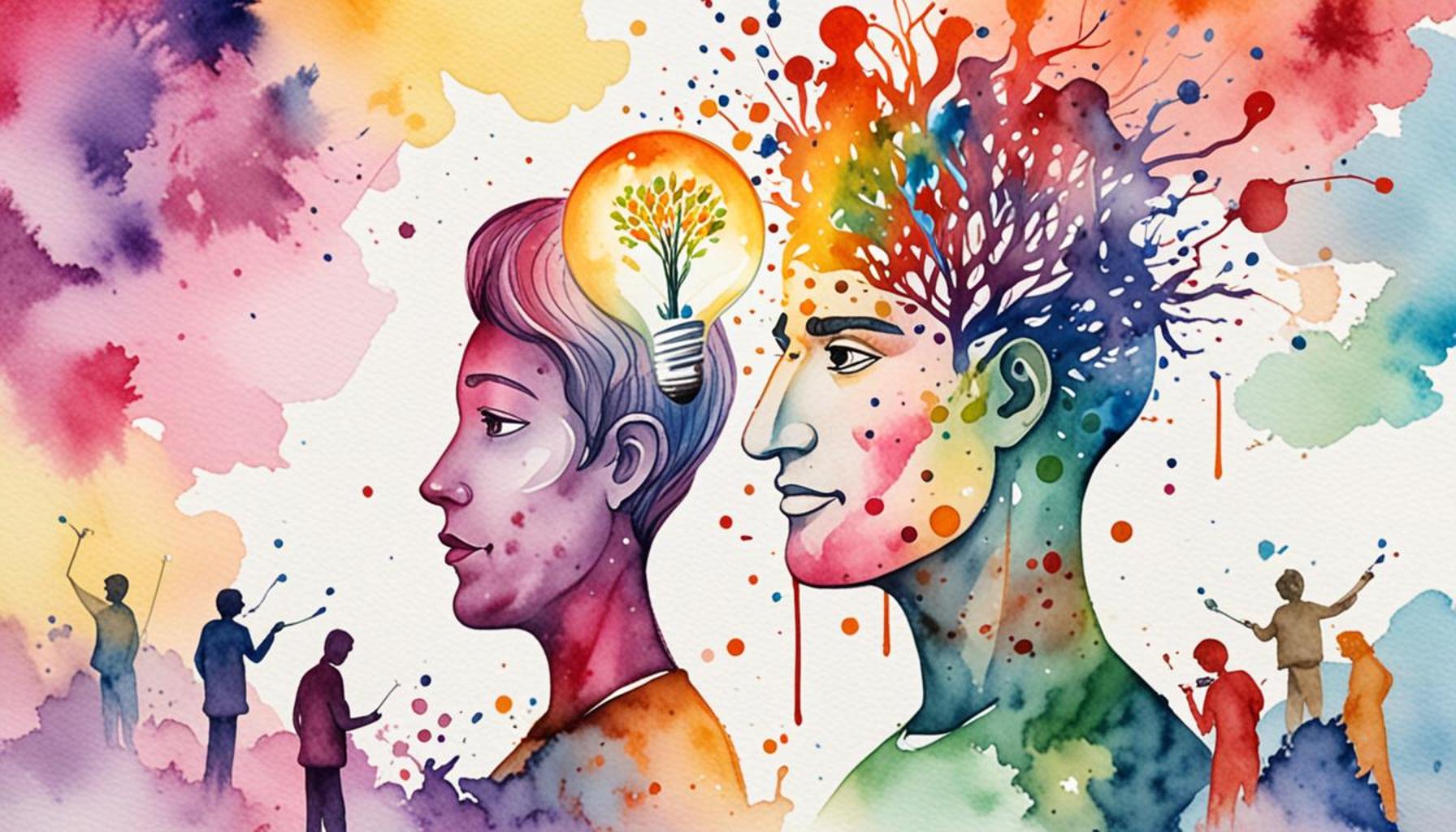
The importance of critical thinking in logic games and puzzles

Unlocking the Power of Logic Games
Engaging in logic games and puzzles is not merely a pastime; it’s a profound exercise in developing critical thinking skills. These activities are designed to challenge our reasoning capabilities and present unique opportunities for intellectual growth. As players participate in these mental challenges—piecing together clues and deducing solutions—they unwittingly cultivate habits that enhance their cognitive functions. Not only do they stimulate our minds, but they also offer a fulfilling way to spend time, making them both enjoyable and beneficial.
The Role of Critical Thinking
In the realm of logic games, critical thinking serves several essential functions that are crucial to effective gameplay and beyond:
- Problem-Solving Ability: Engaging in logic games sharpens our ability to tackle complex challenges. For instance, a game like Sudoku requires players to fill in a grid with numbers while adhering to specific rules. This not only sharpens numerical skills but also enhances our problem-solving strategies.
- Decision Making: Through gameplay, individuals learn how to analyze various outcomes before committing to a choice. In games such as chess, where every move can drastically change the course of the game, players practice weighing different strategies against potential risks.
- Analytical Skills: Logic games foster the ability to evaluate arguments and identify flaws in reasoning. Many escape room challenges, where teams must solve intricate puzzles to “escape,” depend on players working together to dissect each clue’s value, enhancing both individual analytical skills and group collaboration.
Diving deeper into the mechanics of these games can lead to a truly enriching experience. Classic puzzles like Sudoku, chess, and even modern escape room challenges require players to think several steps ahead. Taking the time to engage regularly in these activities can help individuals foster a mindset that promotes logical reasoning, significantly impacting their everyday decision-making.
Beyond Entertainment
Moreover, the advantages of developing critical thinking skills extend far beyond the boundaries of games. Equipped with these vital skills, individuals can navigate real-world situations with greater confidence and clarity. For instance, a person trained in logical reasoning might handle professional decisions involving resource allocation more effectively or approach personal conflicts with a strategy to de-escalate tensions. The ability to think critically acts as an indispensable asset in a fast-paced world, where individuals are constantly faced with competing information and complex dilemmas.
In conclusion, incorporating logic games into one’s daily routine not only serves as a compelling source of entertainment but also offers a veritable treasure trove of developmental benefits that can aid in both personal and professional realms. By sharpening our critical thinking skills through these engaging activities, we cultivate a mindset that is better equipped to handle the various challenges life presents.
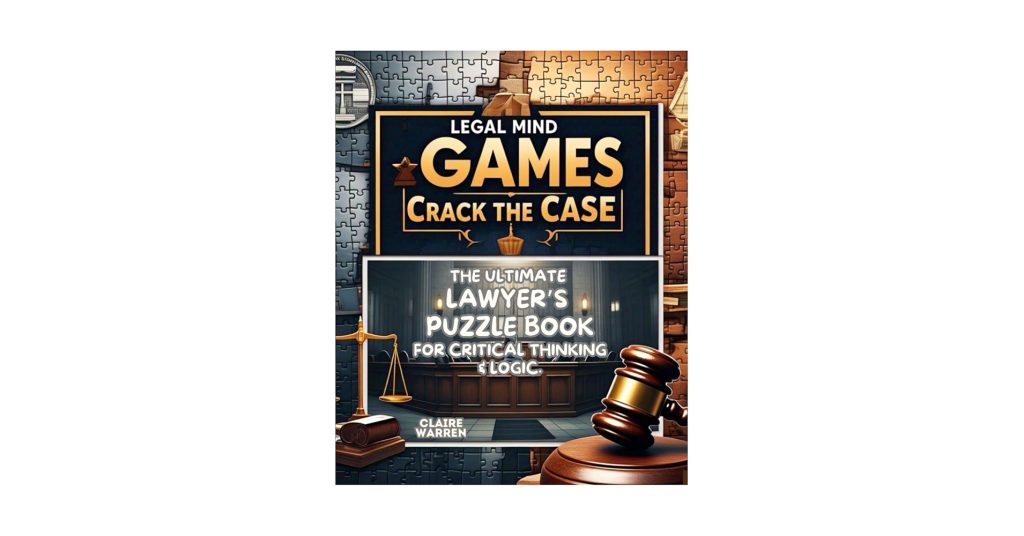
DISCOVER MORE: Click here to enhance your problem-solving skills
Enhancing Cognitive Skills Through Logic Games
Logic games and puzzles are not only entertaining; they are also powerful tools for developing critical thinking skills essential in today’s fast-paced world. Each time a player engages with a challenge, they are not simply passing the time—they are activating their mental faculties and practicing analytical processes that can lead to significant personal growth. From traditional crossword puzzles to modern virtual escape rooms, these activities demand a level of engagement that sharpens reasoning and problem-solving abilities.
Critical Thinking in Action
At its core, critical thinking involves the ability to reflect on information, analyze evidence, and make reasoned judgments. This skill is especially important when playing logic games, where the stakes can vary from winning a game to grasping the deeper implications of strategic decisions. Here are a few key areas where critical thinking is significantly enhanced:
- Pattern Recognition: Many logic puzzles require players to identify patterns and make connections between seemingly disjointed pieces of information. Take, for instance, a game like “Mastermind,” where players must determine a hidden code. Success hinges on the ability to recognize patterns from previous guesses and adapting strategy accordingly.
- Logical Deduction: Games such as “Clue” push players to utilize deductive reasoning skills. Players must consider motives, opportunities, and means, using critical thinking to piece together who the culprit is, sharpening their ability to draw valid conclusions from incomplete data.
- Creative Problem Solving: Logic games often require out-of-the-box thinking. In competitive scenarios like tournament-level chess, players face opponents who equally employ strategic foresight. The thrill of anticipating moves encourages players to think creatively and innovate their approach to dilemmas.
Research indicates that consistent engagement with logic-based challenges can lead to improved cognitive flexibility. A study conducted by the University of Michigan found that participants who regularly solved puzzles showed a marked increase in their ability to switch between different thought processes and adapt to new situations, a vital skill in both professional and personal aspects of life. This cognitive adaptability, fostered through gameplay, prepares individuals to tackle a variety of challenges they might encounter outside of the game.
Build a Stronger Foundation
The importance of honing critical thinking skills through logic games cannot be overstated. In an era dominated by rapid information exchange and complex decision-making, the ability to think critically becomes an invaluable asset. It empowers individuals to analyze information objectively, discern underlying biases, and make informed decisions. Thus, incorporating logic games into routine activities not only sums up to a fun experience but acts as a powerful investment in one’s cognitive well-being.
By exploring the realms of logic games and puzzles, players are setting the stage for a lifetime of enhanced reasoning skills that resonate far beyond their gaming experiences. As the challenges become more intricate, so too do the skills and benefits gained from them, proving that logic games are not just games; they are arenas of intellectual development.
| Advantage | Description |
|---|---|
| Enhanced Problem-Solving Skills | Logic games cultivate strategic thinking, enabling players to analyze complex problems effectively. |
| Boosted Creativity | Engagement in puzzles promotes out-of-the-box thinking, leading to innovative solutions in various situations. |
Logic games and puzzles serve as a bridge to refine essential skills that extend beyond simple entertainment. The process of solving logical conundrums requires a player to embrace analytical techniques, challenging their preconceived notions. As players engage with these intellectual exercises, they not only enhance their problem-solving capabilities but also cultivate an agile mindset.Moreover, the ability to creatively tackle obstacles may translate into significant real-life advantages, from academic pursuits to workplace challenges. By exploring various strategies and solutions, individuals learn to view problems from multiple angles, which is invaluable in today’s rapidly changing environment. With a foundation built on critical thinking, the mastery in logic games empowers players, making them effective decision-makers and innovative thinkers. Experimenting with various logic puzzles can lead to continual personal growth and development.
DISCOVER MORE: Click here to enhance your memory and focus
Transforming Decision-Making Through Engaging Gameplay
As the landscape of everyday decision-making becomes more complex, the ability to utilize strong critical thinking skills is increasingly essential. Logic games serve as an effective medium for nurturing these skills, transitioning players from simple fun to profound cognitive development. Games like Sudoku, escape rooms, and strategy board games don’t merely entertain; they challenge assumptions and encourage players to evaluate their thought processes critically.
Real-World Applications of Critical Thinking
The skills acquired through logic games carry over into real-world scenarios that demand keen analytical thinking. Consider how individuals frequently encounter conflicting data in their personal and professional lives. Logic games provide an excellent training ground for evaluating various perspectives, honing the players’ ability to analyze evidence and reach sound conclusions. Here are a few examples of how those critical thinking skills translate into everyday applications:
- Enhanced Decision-Making: When playing games requiring careful strategy—such as “Settlers of Catan”—players learn to weigh risks and benefits, ensuring their decisions lead to the best possible outcomes. This skill is vital in the professional realm, where quick, efficient decision-making can determine success.
- Improved Communication: Many logic games require collaboration and communication among players. Through these interactions, individuals learn to articulate their thought processes and rationales clearly, an essential asset in teamwork and professional interactions.
- Conflict Resolution: In competitive logic games like chess or “Checkers,” players often face opponents with conflicting strategies. Engaging with these conflicts in a game setting encourages players to explore innovative resolutions while considering multiple viewpoints—a critical asset in both personal relationships and workplace dynamics.
Moreover, it has been noted that schools incorporating logic games into their curricula have observed noticeable improvements in students’ cognitive performance. A 2017 study published in the “Journal of Educational Psychology” indicated that students participating in logic-based activities displayed heightened levels of analytical reasoning and a greater propensity to question the status quo. In essence, such educational environments can cultivate a generation of thinkers adept at tackling complexities with confidence and insight.
Game Design and Cognitive Development
As more educators and game designers recognize the relationship between gameplay and cognitive development, innovative new logic games emerge. Designers are now crafting experiences tailored to enhance critical thinking through gradual levels of complexity. For example, games like “Rush Hour” introduce players to traffic puzzles that require them to think several moves ahead, mirroring the strategic foresight needed in business planning and private life. These increasingly intricate games create an engaging backdrop for developing skills such as planning, resource management, and analytical reasoning, directly paralleling real-life challenges.
The blend of fun and cognitive challenge inherent in logic games ultimately transforms how players think about problems. By repeatedly confronting obstacles and strategizing for solutions, players are not just surviving the game—they are developing frameworks for approaching challenges in their everyday lives. Engaging with these logic games can fortify critical thinking skills, enabling players to emerge as more thoughtful and decisive individuals.
DISCOVER MORE: Click here to learn about the impact of memory games
Conclusion: The Value of Critical Thinking in Logic Games
In summary, the role of critical thinking in logic games and puzzles cannot be overstated. As we navigate an increasingly complicated world, the ability to analyze situations, make informed decisions, and articulate thoughts clearly stands as a cornerstone of success in both personal and professional realms. Through gameplay, individuals cultivate essential skills such as decision-making, communication, and conflict resolution, all of which have profound implications beyond the game board.
Moreover, as research highlights the cognitive benefits of engaging with logic games, we see a compelling argument for the integration of these activities into educational settings. Schools that implement logic games into their curricula have observed notable improvements in students’ analytical abilities, fostering a generation of critical thinkers equipped to face today’s challenges with confidence.
As game designers continue to innovate, providing complex strategic experiences, players can expect to hone their cognitive abilities further, empowering them to approach real-world problems with a nuanced and strategic mindset. Ultimately, the intersection of fun and learning found in logic games opens new doors to intellect and creativity, making these forms of entertainment not just leisure activities, but vital tools for personal and societal advancement. With the right emphasis on critical thinking, we can reshape how we approach challenges, laying the groundwork for a more reflective and effective future.