How Puzzle Competitions Foster Community and Alleviate Stress
Embracing the Challenge
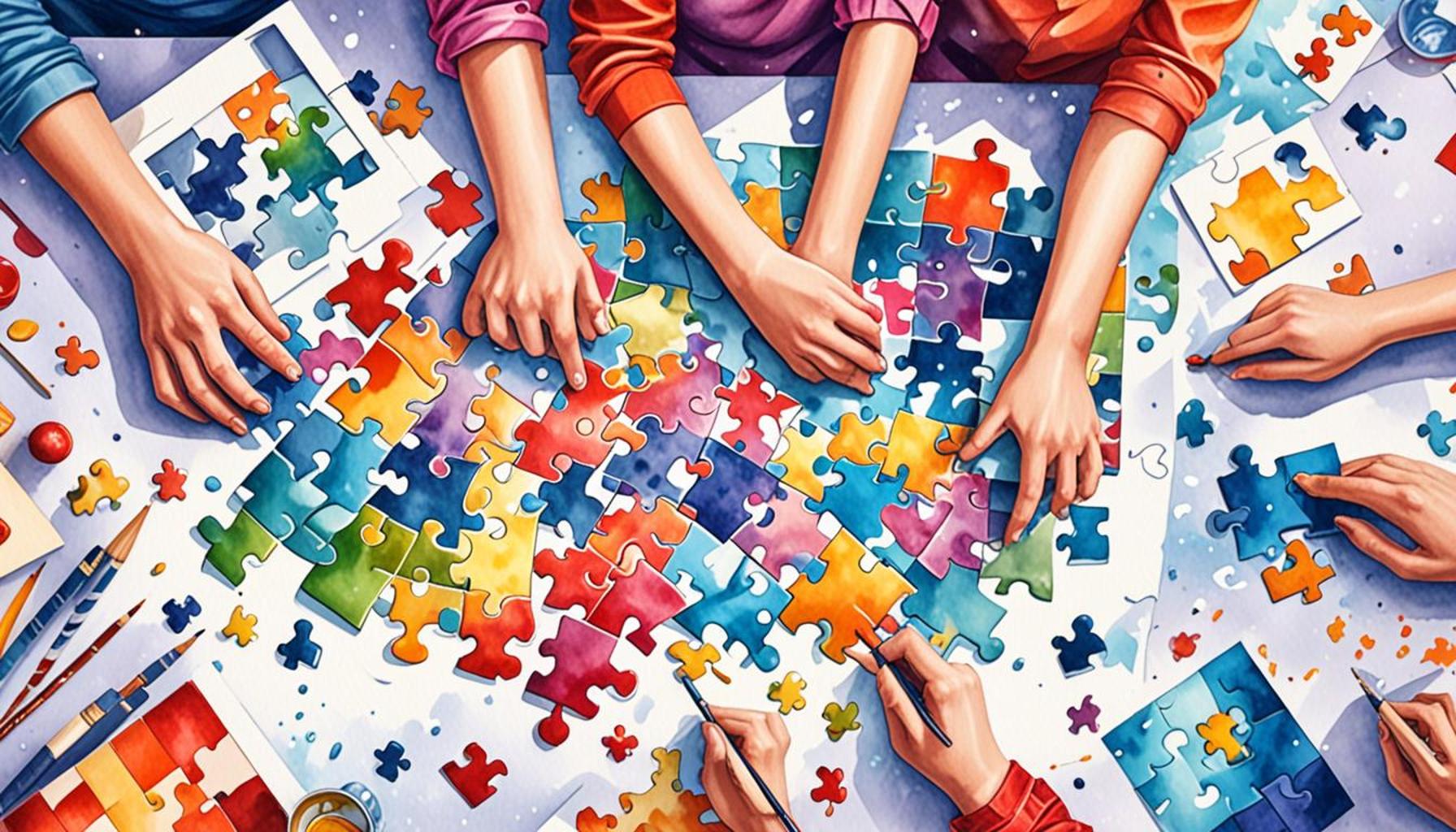
Puzzle competitions have emerged as an unexpected yet powerful avenue for building connections among individuals and alleviating the stresses of daily life. These captivating events not only ignite excitement but also cultivate a robust sense of community. When participants immerse themselves in the intricate world of puzzles, they often discover benefits that extend far beyond mere entertainment. The thrill of competition can transform casual interactions into lifelong friendships, reinforcing the notion that these activities possess significant social value.
Benefits of Puzzle Competitions
- Social Interaction: Engaging in puzzle competitions allows participants to meet like-minded individuals who share an enthusiasm for problem-solving and teamwork. Whether it’s through local meetups or larger tournaments, players often build meaningful relationships while working together.
- Team Building: Many competitions encourage collaboration among participants, enhancing both communication and teamwork skills. For instance, in events where teams must collectively solve complex puzzles, individuals learn to leverage each other’s strengths, creating a foundation of trust and cooperation.
- Mental Exercise: Participating in puzzle challenges serves as a great way to boost cognitive functions. Studies suggest that regularly engaging in puzzles can improve memory, enhance problem-solving skills, and even increase overall mental agility, making participants sharper in their day-to-day lives.
- Stress Relief: Successfully solving puzzles brings a rush of joy and satisfaction. This phenomenon allows individuals to experience a momentary escape from their daily stresses, creating a healthy outlet for relaxation. Engaging in puzzles has been likened to meditation, as it encourages focus and quiets distracting thoughts.
Across the United States, the popularity of puzzle competitions continues to rise. From local community centers hosting friendly challenges to national tournaments that attract avid solvers, these events create vibrant atmospheres where participants of all ages can connect. Washington D.C.’s annual Puzzle Fest and San Francisco’s Puzzle Hunt are notable examples where teams gather to compete and celebrate their shared love for puzzles. The exhilaration of these competitions often gives rise to friendships and shared experiences, transforming casual players into an interconnected community.
The Science Behind the Games
Empirical studies illustrate that engaging with puzzles can indeed alleviate stress. They offer participants a brief escape, allowing them to concentrate on a singular task and disconnect from everyday pressures. This laser focus not only enhances personal productivity but also fosters emotional resilience, helping individuals navigate life’s challenges more effectively. The camaraderie built through shared experiences in puzzles contributes significantly to overall emotional well-being, offering a supportive environment for personal growth and development.
As one embarks on the journey through the world of puzzle competitions, they often uncover unexpected friendships and opportunities for self-improvement. The engaging nature of these events invites individuals from all walks of life to explore their potential while building a supportive community dedicated to shared passions. The next time you encounter a puzzle competition, consider the deeper essence of these captivating events, and perhaps, take the plunge to join in the challenge.
DISCOVER MORE: Click here to learn about the benefits of logic games for children
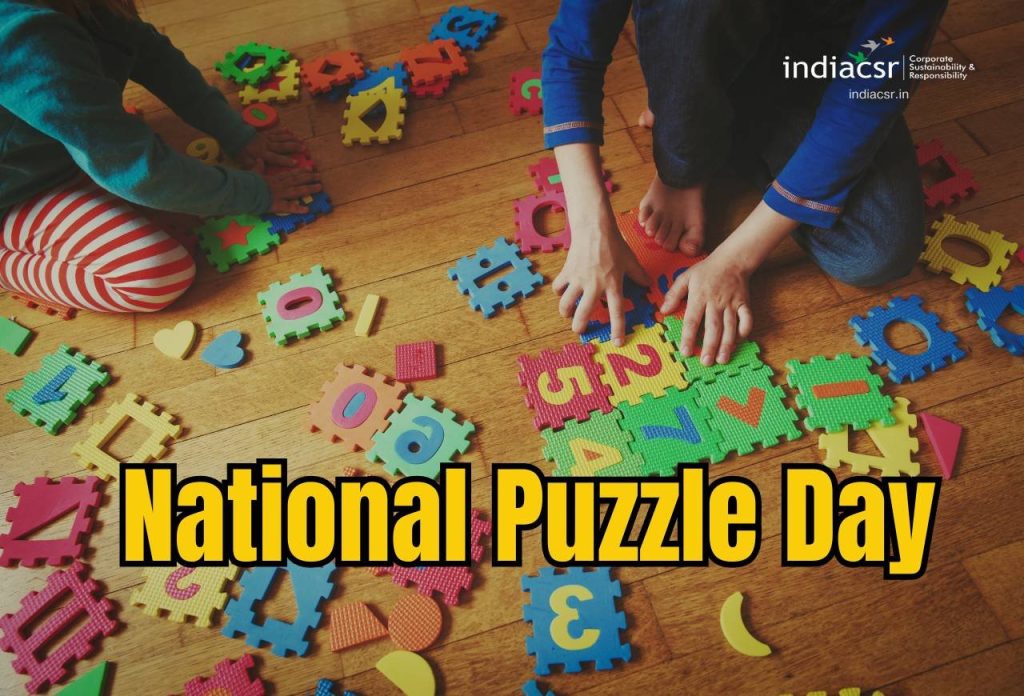
The Gathering of Minds
Puzzle competitions effectively create a vibrant community atmosphere, where the joy of problem-solving is shared and celebrated. These events bring together diverse groups of individuals, from seasoned solvers to casual enthusiasts, all united by a common goal. The environment is often electric with anticipation, as players band together to tackle complex challenges that require not only mental acuity but also cooperation. This blend of camaraderie and competition intertwines to form lasting bonds, fostering a sense of belonging that is increasingly essential in our fast-paced world.
Connecting Through Puzzles
The social interaction generated during these competitions cannot be overstated. Participants often find themselves engaging in lively discussions about strategies and techniques, sharing tips and experiences that deepen their connections. As players collaborate to overcome hurdles, they cultivate friendships that extend beyond the competition. Local meetups often evolve into regular gatherings, while some form online communities to continue their interactions and solve puzzles together digitally, further enhancing the sense of belonging.
Building Trust and Teamwork
Many puzzle contests are designed to be team-oriented, allowing participants to pair up or form groups. This necessitates strong team building and communication skills, as teammates must strategize together and capitalize on each member’s strengths. For instance, in escape room-style challenges, members may take on specific roles — such as clue finder, organizer, or communicator — based on their skills and interests. In this setting, members learn to trust one another, recognizing that collaboration is key to success.
- Camaraderie: The shared experience of tackling difficult puzzles creates lasting friendships.
- Shared Learning: Participants exchange strategies and techniques, enriching one another’s abilities.
- Empathy Development: Understanding teammates’ approaches enhances emotional intelligence and patience.
The friendly competition encourages individuals to push their boundaries, while the collaborations foster a protective network that may also extend into personal life. Such meaningful connections help participants tackle personal challenges outside the realm of puzzles, reinforcing the idea that we are not alone in facing adversities.
Mindfulness in the Moment
As competitors dive into puzzle-solving, they experience a form of mindfulness that allows them to escape from daily woes. This focused engagement helps to quiet the overwhelming noise of everyday responsibilities, creating a momentary oasis of clarity and peace. Psychology experts indicate that even short durations of concentrated activity in a low-stress environment can help reduce cortisol levels, thereby alleviating anxiety. Many participants report that completion of a puzzle can generate feelings of accomplishment and excitement, transforming what could be a routine day into a memorable experience.
In short, puzzle competitions serve as a unique intersection of social interaction, mental exercise, and stress relief. By participating in these events, individuals not only enhance their cognitive skills but also create bonds that enrich their lives and cultivate a supportive community. As more people discover this hidden gem of a social activity, the potential for deeper connections and resilience becomes limitless.
Puzzle competitions have a remarkable ability to draw individuals together, transforming strangers into allies as they collaborate to solve complex challenges. This unique aspect of puzzle competitions fosters a strong sense of community. Participants often share strategies, collaborate on problem-solving, and celebrate each other’s achievements, creating bonds that extend beyond the event itself. As participants engage in friendly rivalries, they also experience the joy of shared passion, enhancing their social connections and building networks that can lead to meaningful friendships.
Moreover, the mental engagement involved in puzzle competitions serves as a significant stress alleviation tool. The process of focusing on intricate puzzles diverts attention away from daily stresses and worries, allowing participants to enter a state of flow—a mental state where they are fully immersed and engrossed in the task. This engagement not only provides a temporary escape but also promotes mental well-being, which is crucial in today’s fast-paced environment.
To delve deeper into the supportive community aspects of these competitions, consider how they often incorporate team events. Participants, regardless of age or skill level, are given opportunities to work together towards a common goal. This collaboration is not only beneficial for fostering teamwork but can also improve overall communication skills among varied groups, enhancing social harmony.
In the realm of stress relief, the structured nature of puzzle competitions provides an outlet for creativity and critical thinking. Each puzzle represents a mini-challenge where individuals can express themselves intellectually, promoting personal growth while feeling a sense of accomplishment. This dual focus on community and stress alleviation highlights the multifaceted benefits of engaging in puzzle competitions.
| Category | Description |
|---|---|
| Community Building | Participants form friendships through collaboration, enhancing social networks |
| Stress Alleviation | Focused engagement provides a mental escape, promoting well-being |
As the popularity of puzzle competitions continues to rise, it’s important to recognize the profound impact these events can have on both individuals and communities. The combination of competition, social interaction, and cognitive challenge makes them an invaluable resource for stress management and community engagement.
DIVE DEEPER: Click here to enhance your memory and focus
A Journey of Personal Growth
Puzzle competitions are not solely about the thrill of solving a challenge; they also serve as a catalyst for personal growth. Participants often discover hidden talents, reigniting passions for logic, linguistics, or mathematics that they may not have explored in years. Such rediscoveries can lead to transformative experiences, as individuals realize their potential and push themselves beyond perceived limits. In fact, some competition participants have reported that these events reignited their interest in pursuing degrees or careers in STEM (science, technology, engineering, and mathematics) fields, showcasing the profound impact these gatherings can have.
The Therapeutic Benefits of Puzzling
Engaging in puzzles has been scientifically linked to numerous mental health benefits. The act of focusing on a puzzle triggers a release of dopamine, a neurotransmitter associated with motivation and pleasure, which can create a euphoric sense of achievement regardless of the challenge’s outcome. In a bustling society often characterized by chronic stress, this dopamine boost is a vital aspect of stress alleviation. According to a 2020 study by the American Psychological Association, participants who regularly engage in mentally stimulating activities, including puzzles, tend to report better emotional regulation and lower anxiety levels.
Building Resilience Through Challenge
Every puzzle comes with its set of challenges, which can act as mini life lessons in resilience. The process of trial and error, persistence, and teamwork at competitions teaches participants how to handle setbacks. If a team encounters a mental roadblock, they must regroup, evaluate their strategies, and try again — skills vital for everyday life. Moreover, the supportive nature of these competitions fosters an understanding that struggles are a common experience; thus, they create a safe space for vulnerability. As competitors cheer one another on, they cultivate resilience, learning that failure isn’t the end, but rather an essential stepping stone to success.
- Boosting Confidence: Successfully completing challenging puzzles increases self-efficacy, as participants learn to trust their capabilities.
- Promoting Patience: Working through complex problems develops the virtue of patience, essential for both personal and professional growth.
- Encouraging Adaptability: Adjusting strategies in real-time during competitions fosters a flexible mindset.
Furthermore, the competitive aspect of puzzling can ignite a healthy form of rivalry. Participants find themselves challenged not just by others but also by their own previous performances. This healthy competition can motivate individuals to improve, creating an upward spiral of personal achievement and community support that is hard to replicate elsewhere.
The Power of Inclusivity
Another remarkable aspect of puzzle competitions is their inherent inclusivity. Unlike many competitive sports, where physical ability often plays a crucial role, puzzle-solving levels the playing field for individuals of all ages and backgrounds. Each year, competitions welcome the participation of seniors, students, and everyone in between. This diversity enriches the experience for all, encouraging a rich tapestry of ideas and perspectives that enhance problem-solving techniques. The interchange of wisdom from experienced solvers combined with innovative approaches from younger participants fosters a unique learning environment that benefits everyone involved.
As puzzle competitions continue to bridge gaps and foster a sense of community, they also nurture the vital skill of social engagement. Engaging in friendly banter, sharing victories, or commiserating over setbacks enforces the idea that we are all in this together. The collective experience reinforces a vital message: through patience, persistence, and social support, we can overcome not just puzzles, but the myriad challenges life throws our way.
DISCOVER MORE: Click here to find out how
Conclusion
In conclusion, puzzle competitions transcend mere games of logic; they emerge as powerful platforms that foster community and alleviate stress in an ever-demanding world. As individuals come together to tackle challenges, they not only enhance their own skills but also build a supportive network that nurtures personal growth and social bonds. By engaging in these competitions, participants experience an uplifting release of dopamine that diminishes anxiety and contributes to better mental health, reinforcing the importance of such activities in contemporary society.
The inclusive nature of puzzle challenges allows people from diverse backgrounds to collaborate and learn from one another, creating a rich tapestry of ideas that broadens perspectives. As competitors cheer and support each other in their quest for solutions, they cultivate resilience and adaptability—key attributes necessary not only in puzzles but in life itself.
Moreover, the blend of healthy competition and community interaction invigorates personal achievement, encouraging everyone to push their limits while enjoying the collective journey. For many, these competitions become a safe haven, where struggles transform into shared experiences that build camaraderie and understanding.
Ultimately, puzzle competitions serve as a reminder that, amid life’s complexities, the challenges we face can bring us together and cultivate a sense of belonging that is both rewarding and essential for emotional well-being. As we continue to explore the benefits of these gatherings, it becomes clear that engaging in puzzles is not just a pastime—it is a valuable lifeline that promotes mental health and community spirit.