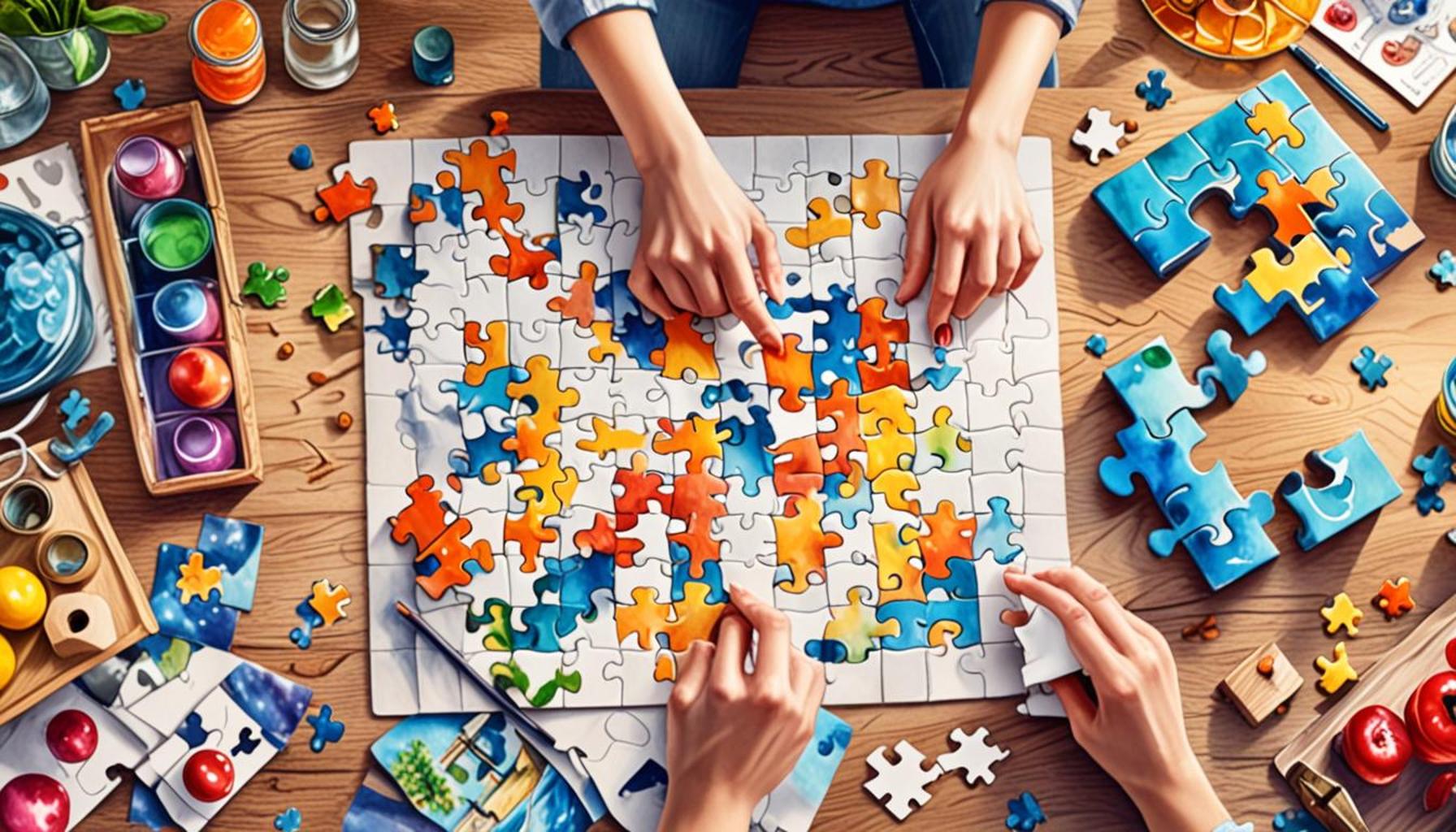
The Benefits of Memory Games for Cognitive Aging and Neuroplasticity

Understanding the Impact of Memory Games on Cognitive Function
As we navigate the various stages of life, the clarity of our minds often becomes one of our greatest treasures. Cognitive aging extends beyond the natural aging process; it can manifest as forgetfulness or diminished problem-solving abilities, significantly affecting daily life and interpersonal relationships. With this in mind, engaging in memory games emerges as a compelling strategy not only for keeping our minds sharp but also for enhancing the very structures that support cognitive function.
Memory games are more than just a fun pastime; they serve as vital cognitive exercises that can bring about substantial brain health benefits. For instance, these games come in various formats such as card-matching, puzzles, and online brain-training apps, each aiming to challenge different aspects of our cognitive abilities. The advantages of making memory games a regular part of one’s routine include:
- Improved Memory Retention: Regularly playing memory games can bolster the brain’s capacity for encoding new information, making it easier to remember names, dates, and other details. For example, studies have shown that participants who engaged in memory card games exhibited improved abilities to recall information faster and with greater accuracy.
- Enhanced Attention Span: Memory games train players to maintain focus for prolonged periods. Whether it’s remembering where a card was located or keeping track of multi-step instructions in a game, the skills honed in these scenarios can translate into better attention spans in everyday tasks, from grocery shopping to engaging in meaningful conversations.
- Stimulated Neuroplasticity: The challenges posed by memory games encourage the brain to adapt and reorganize itself, a phenomenon known as neuroplasticity. Research highlights that engaging in mentally stimulating activities can foster new neural connections, ultimately leading to a more resilient and efficient brain.
Moreover, the cumulative evidence suggests that incorporating memory games into daily life can yield impressive cognitive benefits, particularly for older adults. Research indicates that such engagements lead to:
- Increased problem-solving capabilities, enhancing one’s ability to navigate complex situations both socially and professionally.
- Enhanced emotional well-being, as cognitive engagement can foster greater feelings of accomplishment and self-esteem.
- A slower progression of cognitive decline, with some studies indicating that routine participation in puzzle-solving and memory tasks may decrease the risk of dementia as one ages.
The intersection of memory games and cognitive health is an intriguing topic that opens up new avenues for exploration. The prospect of utilizing simple yet effective mental exercises for lasting brain health continues to draw interest from researchers and enthusiasts alike. As we delve deeper into this captivating subject, the positive implications of such games become increasingly apparent, offering hope and practical solutions in the quest for sustained mental acuity as we grow older.
DISCOVER MORE: Click here to learn about the benefits of memory games
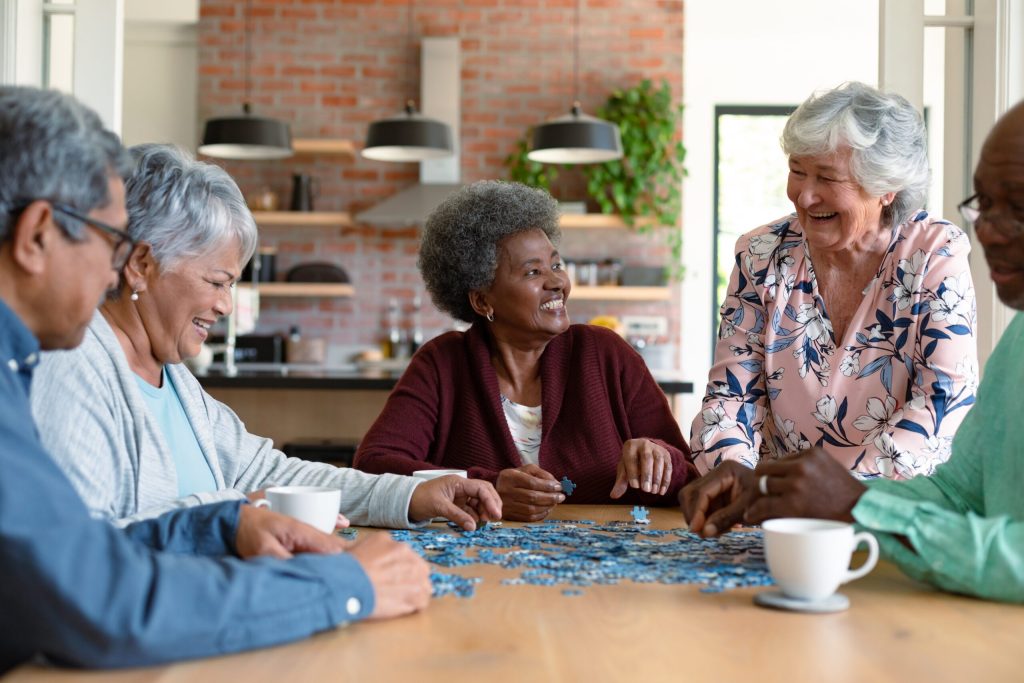
Cognitive Stimulation through Engaging Memory Games
The link between memory games and cognitive aging is a rich area of exploration, particularly as we seek to understand how these engaging activities bolster brain health. One of the standout benefits of incorporating such games into daily routines is their ability to enhance various cognitive functions. This enhancement goes well beyond mere entertainment, proving to be a formidable ally in the battle against age-related cognitive decline.
Memory games, characterized by their focus on memory recall and attention, stimulate a range of cognitive domains. Their effects can be categorized into several key benefits that resonate deeply with older adults seeking to maintain mental clarity:
- Increased Neurotransmitter Activity: Memory games promote the production of essential neurotransmitters, which play a crucial role in communication between brain cells. This increase in activity can be particularly beneficial for maintaining cognitive functions such as memory and learning.
- Better Processing Speed: Engaging in memory challenges helps train the brain to process information more quickly. Players often find that their reaction times improve, which translates into daily life scenarios, such as grasping new information during conversations or quickly recalling facts.
- Social Interaction Opportunities: Many memory games can be played with others, providing not only cognitive stimulation but also the social engagement that is vital for emotional health. Whether participating in a friendly competition or collaborating to solve puzzles, these interactions can reduce feelings of isolation, which often accompany aging.
Moreover, research supports that routine engagement in memory games positively impacts cognitive aging and neuroplasticity—the brain’s capacity to adapt and rewire itself. Studies have shown that older adults who regularly participate in memory-enhancing activities have a significantly lower likelihood of experiencing accelerated cognitive decline. The implications are profound, marking a shift from passive aging to a dynamic state of continual learning and adaptation.
According to a longitudinal study published in the “Journal of Neuropsychology,” regular engagement with memory games was associated with a remarkable improvement in overall brain health and cognitive function. Participants who maintained consistent mental exercises demonstrated a 20% enhancement in various cognitive skills compared to those who did not engage in such activities. This statistic underscores the potential of memory games to not only preserve but also enhance cognitive function in older adults.
In an age where the emphasis on holistic health practices is at the forefront, memory games represent an accessible and powerful tool. They enrich lives by fostering mental agility while simultaneously serving as a preventative measure against cognitive deterioration. As our understanding of neuroplasticity deepens, the importance of such mental exercises becomes ever more apparent.
With a compelling array of benefits ranging from improved memory retention to enhanced social connections, memory games offer much more than meets the eye. They empower individuals, regardless of age, to actively participate in their cognitive health journey, making the prospect of aging more manageable and fulfilling.
| Advantages of Memory Games | Impact on Cognitive Aging |
|---|---|
| Enhanced Memory Retention | Regular engagement with memory games significantly increases information recall, crucial for daily activities. |
| Improved Mental Agility | Players often experience heightened problem-solving skills, leading to better decision-making abilities. |
| Stimulation of Neuroplasticity | Engaging in these games can lead to the formation of new neural connections, enhancing overall brain health. |
| Social Interaction | Playing memory games with others fosters community engagement, which is vital for emotional well-being. |
Memory games are not merely a form of entertainment; they offer numerous benefits that can contribute to the cognitive health of aging individuals. The challenge of these games pushes the brain to adapt, thereby embracing neuroplasticity—the brain’s ability to reorganize itself by forming new neural connections throughout life. This is essential, as it provides a countermeasure against cognitive decline that often accompanies aging.Furthermore, studies have shown that consistent participation in memory games can yield significant improvements in overall mental agility and problem-solving skills. These enhancements are pivotal for elderly individuals who wish to maintain independence and quality of life. Equally important is the social aspect of engaging in memory games with friends or family, creating opportunities for interpersonal connections and shared experiences that are vital for emotional and psychological health. Gaining a deeper understanding of these games can enrich not just personal cognitive abilities, but even foster a sense of community well-being.
DISCOVER MORE: Click here to learn how reasoning games can help
Memory Games as a Catalyst for Neuroplasticity
As our understanding of neuroplasticity deepens, it becomes increasingly clear that memory games serve as more than just a delightful pastime; they are active participants in fostering brain adaptability. Neuroplasticity refers to the brain’s extraordinary ability to reorganize itself by forming new neural connections throughout life. This foundational characteristic allows individuals to learn new skills, recover from injuries, and even combat cognitive decline associated with aging.
One of the most enlightening aspects of neuroplasticity is how engaging in complex cognitive activities, such as memory games, catalyzes brain rewiring. During these games, players not only exercise their memory but also enhance their problem-solving skills and critical thinking. It has been found that memory exercises can increase the brain’s volume of gray matter, which is crucial for processing information. Studies show that older adults who incorporate mentally stimulating tasks into their routines exhibit greater hippocampal volume—a vital area for memory and learning—than those who do not engage in such activities.
Brain Training and Its Lasting Impact
Brain training programs, including memory games, have been shown to produce lasting changes in cognitive function. An experiment published in “Nature Neuroscience” demonstrated that participants who engaged in structured memory games over a span of months experienced profound enhancements in memory performance, alongside gains in overall cognitive flexibility. Not only did their memory skills improve, but they also became adept at transferring these newfound skills to other domains, illustrating the far-reaching effects of cognitive training.
Additionally, memory games that involve varied formats—such as matching pairs, crossword puzzles, or strategy-based board games—play a dual role in maintaining engagement and enhancing cognitive abilities. Engaging with diverse formats keeps the brain in a state of creative thinking. This variability can stave off boredom, a common hurdle in sustaining long-term cognitive activities.
Bridging Generations Through Shared Activities
The intergenerational appeal of memory games cannot be overlooked. Families across the United States have embraced such games as a way to bond and interact, facilitating meaningful conversations and shared experiences. Playing memory games with younger relatives not only inspires quality family time but also creates an environment where knowledge exchange occurs seamlessly. This shared engagement can encourage older adults to adopt new technologies and game formats, bridging generational gaps and enhancing social ties.
The cognitive benefits of these games extend into therapeutic realms as well. Occupational therapists often employ memory games and cognitive exercises as part of their treatment plans for older adults, particularly in rehabilitation settings. Evidence suggests that incorporating these games can significantly improve cognitive recovery and enhance the quality of life for those experiencing memory-related challenges, like Alzheimer’s disease or other forms of dementia.
Furthermore, advances in digital technology have made memory games more accessible. Smartphone applications and online platforms offer customizable options tailored to individual needs and levels. This flexibility enables users to engage in brain training at home, on their own schedule, ultimately accommodating various levels of cognitive ability and facilitating personal growth.
In a society where mental fitness is increasingly deemed as crucial as physical health, the implications of memory games on fostering neuroplasticity and cognitive aging cannot be overstated. They provide an avenue for mental enrichment that not only enhances individual brain health but also opens doors to continued learning and engagement—elements essential for a fulfilling life as we age.
DISCOVER MORE: Click here to enhance your analytical skills
Conclusion
The evidence supporting the benefits of memory games for cognitive aging and neuroplasticity is compelling and multifaceted. These engaging activities not only stimulate the brain but also promote important neuroadaptive processes that can help counter cognitive decline associated with aging. By participating in memory games, individuals are provided with an enjoyable medium to strengthen their memory, enhance critical thinking, and increase overall cognitive flexibility.
Moreover, the role of memory games transcends mere individual cognitive improvement; it fosters social interaction and familial bonding. As families across the United States participate in these games, they bridge generational divides, encourage shared experiences, and foster communication, thus enriching their familial relationships. This interactivity plays a crucial part in emotional well-being, which, in combination with cognitive stimulation, contributes to a holistic approach to healthy aging.
From a therapeutic perspective, the integration of memory games in rehabilitation settings demonstrates their potential in aiding recovery from cognitive impairments, such as Alzheimer’s disease. The accessibility provided by digital platforms allows individuals to engage in tailored and flexible memory training, further empowering users to take control of their cognitive health.
As we continue to recognize the importance of mental fitness in our lives, incorporating memory games into our daily routines can serve as a vital step toward not only preserving cognitive health but enhancing the quality of life in our later years. Continued research in this area will undoubtedly uncover new dimensions of how memory games can shape our understanding of neuroplasticity and cognitive aging, offering further incentives for individuals to participate in this memorable and beneficial pastime.