
Puzzles as Tools for Developing Analytical Thinking in Everyday Life
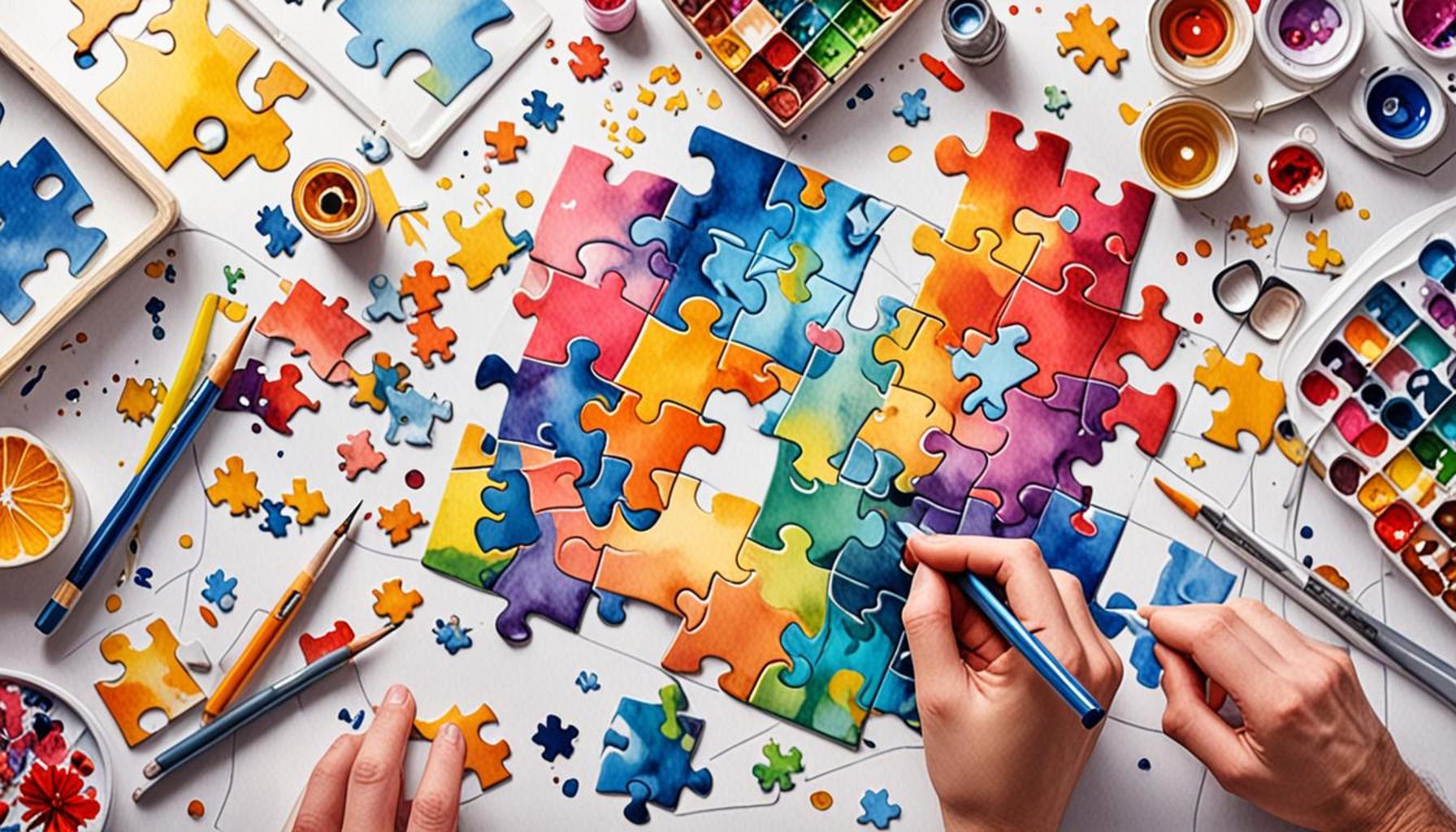
Unleashing Your Mind Through Puzzles
In an era where rapid problem solving and critical analysis are essential, the allure of puzzles has surged as an effective method for honing these essential skills. Puzzles, whether they appear in the form of crosswords, jigsaw puzzles, riddles, or logic games, are not just mere pastimes; they serve as powerful tools to enhance cognitive functions and foster mental agility. By immersing oneself in these engaging activities, individuals can promote analytical thinking, which is crucial for making astute decisions in both personal and professional contexts.
So, what makes puzzles particularly beneficial for mental development? Here are several compelling reasons:
- Critical Thinking: Engaging with puzzles compels you to methodically evaluate situations, weigh various options, and determine the most effective strategy for resolution. For instance, solving a mystery puzzle requires you to consider different perspectives or identify hidden clues, reinforcing your ability to analyze complex scenarios.
- Problem-Solving Skills: Each puzzle presents a distinct challenge that necessitates logical reasoning and strategic thinking. Take chess, for example: each move a player makes requires foresight and adaptability, fostering a mindset geared towards continuous problem-solving.
- Attention to Detail: Successfully working through puzzles sharpens your focus and helps cultivate a meticulous eye for details, which can significantly enhance your performance in everyday tasks, from professional projects to personal endeavors.
Incorporating puzzles into your everyday routine can yield profound cognitive benefits. Numerous studies suggest that regular engagement with puzzles can:
- Enhance Memory: Puzzles often challenge the brain to recall previously learned information, fostering memory retention and recall abilities, vital for academic and career success.
- Boost Creativity: The very nature of puzzles encourages thinking outside the box. When you explore various tactics for solutions, you expand your creative capacities, which is beneficial in fields requiring innovation.
- Provide Stress Relief: Engaging in puzzles can serve as an enjoyable mental workout, allowing you to escape from daily stressors and redirect your focus, thus improving overall mental well-being.
As you delve deeper into the enchanting realm of puzzles, you will uncover countless ways to harness analytical thinking in your daily encounters. From classic crosswords and sudoku to more intricate logic puzzles and escape rooms, each type offers a unique way to challenge your abilities. These mental exercises are more than just recreational activities; they pave the path to fostering a sharper, more agile mind ready to tackle the complexities of modern life.
DISCOVER MORE: Click here for daily brain games that boost mental health and relieve stress

Unlocking the Cognitive Benefits of Puzzles
Puzzles have long been celebrated not just for the joy they bring during leisure time but also for their profound impact on cognitive development. In today’s fast-paced world, the ability to analyze situations critically and devise efficient solutions is more valuable than ever. This need has sparked a growing interest in puzzles as a means to enhance analytical thinking skills that can be applied in everyday life.
When we immerse ourselves in various types of puzzles, we engage our brains in a manner that promotes growth and adaptability. Here are several ways in which puzzles contribute to the development of analytical thinking:
- Logical Reasoning: Each puzzle requires a systematic approach to problem-solving. Whether you’re trying to complete a jigsaw puzzle or decode a cryptic clue in a crossword, the process fosters a logical mindset. By assessing potential solutions and navigating through complexities, your brain adapts to make connections, enabling improved decision-making skills in real-life situations.
- Pattern Recognition: Many puzzles rely heavily on recognizing patterns, which is a crucial aspect of analytical thinking. For instance, sudoku and number-based puzzles challenge players to identify numerical patterns and sequences, ultimately training the mind to spot trends and anomalies. This skill transfers seamlessly to various fields, including mathematics, computer science, and even marketing.
- Failure as a Learning Tool: Solving puzzles often involves trial and error, which can lead to frustration but also teaches resilience. Each failed attempt provides valuable insights into what does not work, sharpening your analytical skills as you strategize new methods to approach a challenge. Learning from failure in a puzzle setting can instill a growth mindset, essential for personal and professional development.
Furthermore, puzzles can stimulate interdisciplinary thinking, encouraging us to connect knowledge from various domains. For instance, engaging with physics-based puzzles might require an understanding of basic principles of motion while also leveraging mathematical reasoning. This interdisciplinary approach cultivates an adaptable and versatile analytical mindset.
Moreover, incorporating puzzles into your daily routine can significantly enhance cognitive endurance. Several studies show that individuals who regularly engage with challenging puzzles demonstrate improved brain function, including increased memory capacity and better problem-solving capabilities. As you flip through the pages of a challenging sudoku or strategically place pieces in a jigsaw puzzle, you are not just passing time; you are actively strengthening your mind.
Ultimately, the practice of solving puzzles transcends mere entertainment—it serves as an ongoing exercise for the brain, one that fosters a sharper analytical acumen. From school classrooms to corporate boardrooms, the skills cultivated through puzzle-solving are invaluable. By embracing the challenge of puzzles, individuals of all ages can empower themselves with the mental agility necessary to navigate the complexities of contemporary life.
Puzzles as Tools for Developing Analytical Thinking in Everyday Life
Puzzles have long been recognized not only as a source of entertainment but also as a vital tool for enhancing analytical thinking. Engaging with puzzles requires individuals to approach problems methodically, encouraging cognitive growth. When you solve a puzzle, you’re not merely placing pieces together; you’re exercising your brain, sharpening your reasoning skills, and developing a better understanding of complex issues.
In everyday life, analytical thinking becomes invaluable. It can impact decision-making processes, enhance creativity, and improve problem-solving abilities. For instance, consider mathematical puzzles—these challenges compel individuals to analyze various outcomes and employ logical reasoning. Similarly, word puzzles stimulate language skills and cognitive flexibility, helping to improve communication and comprehension.
Moreover, puzzles encourage resilience and patience. When faced with a challenging puzzle, the emphasis on trying different strategies fosters a sense of perseverance. This quality is particularly beneficial in professional settings, where out-of-the-box solutions are often required. By cultivating analytical thinking through puzzles, you equip yourself with essential skills that translate directly into everyday situations.
| Advantages | Impact on Daily Life |
|---|---|
| Enhances Critical Thinking | Allows for better decision-making in personal and professional contexts. |
| Builds Problem-Solving Skills | Improves the ability to tackle unexpected challenges creatively and effectively. |
As puzzles become increasingly popular in educational environments, their significance in developing analytical skills is becoming more recognized. Embracing puzzles can lead to a lifetime of enhanced cognitive abilities, ultimately making individuals more adept at managing the complexities of everyday life.
DISCOVER MORE: Click here to boost your mental health
The Role of Collaborative Puzzle-Solving in Enhancing Team Dynamics
Engaging in puzzles is not solely a solitary endeavor; it often serves as an avenue for collaboration and social interaction. When groups tackle puzzles together, whether in the form of escape rooms, competitive puzzle challenges, or collaborative problem-solving sessions, they fundamentally enhance their analytical thinking skills in a team context. This collaborative approach fosters deeper connections among team members and offers unique insights into the diverse thought processes that individuals bring to the table.
One significant benefit of collaborative puzzle-solving is the opportunity to observe and learn from different problem-solving strategies. When individuals discuss their thought processes and reasoning behind their choices, they expose others to various analytical techniques. For instance, in settings like corporate offices in the United States, teams can engage in puzzles that require collective strategic thinking, drawing on each member’s strengths. This not only bolsters teamwork but also nurtures a culture that values collective intelligence, driving higher performance outcomes.
Another advantage of collaborative puzzles is their ability to cultivate effective communication skills. As participants articulate their ideas and negotiate solutions, they hone vital skills essential for workplace success. Research has demonstrated that improved communication within teams leads to better decision-making and increased efficiency. Take, for instance, escape room challenges, which require participants to communicate clearly to solve various puzzles within a limited timeframe, simulating pressure-filled environments often found in business scenarios.
- Innovation and Creativity: Puzzles can also stimulate innovation during collaboration. When participants brainstorm solutions from multiple angles, they are likely to generate unexpected ideas. This process encourages creative thinking, an essential component of analytical reasoning, as teams learn to think outside the box. For example, companies across the U.S. increasingly rely on team-based problem-solving exercises to foster a creative workforce capable of developing unique solutions to complex challenges.
- Conflict Resolution Skills: Working through challenges as a group naturally brings forth different perspectives, and it’s common for disagreements to arise. Effectively navigating these conflicts can enhance analytical thinking by teaching individuals how to recognize biases in their own and others’ reasoning. In doing so, teams find compromises that build consensus and cooperation, essential skills for personal and professional interactions.
Furthermore, research from the American Psychological Association indicates that engaging in group puzzles can lead to improved mental well-being and stress reduction. These benefits provide a conducive environment for rigorous analytical thought. As team members experience a surge of endorphins from solving puzzles collaboratively, they enhance not only their mood but also their cognitive performance. This reinforces a positive feedback loop where individuals are not only more engaged in their problem-solving tasks but are also more receptive to learning from one another.
Incorporating playful puzzles into team-building exercises can thus yield substantial benefits for organizations aiming to enhance their workforce’s analytical prowess. From stimulating teamwork and communication to fostering conflict resolution, puzzles serve as dynamic tools that go beyond mere entertainment. They position individuals and groups to thrive amidst the challenges of modern life, supporting a continuously evolving analytical mindset.
EXPLORE MORE: Click here to enhance your skills!
Conclusion: Unlocking Analytical Thinking through Puzzles
In summary, puzzles are much more than a source of entertainment; they serve as powerful tools for developing analytical thinking skills that can enhance various aspects of everyday life. From fostering individual problem-solving capabilities to improving team dynamics in professional settings, puzzles instill a methodical and creative approach to tackling challenges. Engaging with puzzles can stimulate the brain, enhance cognitive flexibility, and facilitate a culture of collaboration—essential in today’s fast-paced world.
Moreover, the social interaction and communication fostered during collaborative puzzle-solving create an invaluable opportunity for teams to learn different perspectives and strategies. As seen in corporate America, incorporating such team-based activities not only improves relationships among colleagues but also nurtures a collective intelligence that drives innovation and increases operational efficiency. Awareness of diverse analytical techniques means that teams become more adept at navigating complexities in their work, further emphasizing the profound impact of puzzle-solving on analytical prowess.
It’s crucial for individuals and organizations to integrate puzzles into their routines, whether through casual family game nights, structured team-building exercises, or virtual escape rooms. Such practices can lead to a more engaged and mentally agile workforce capable of addressing the multifaceted challenges of modern society. As we embrace puzzles in our daily lives, we not only enrich our analytical skills but also prepare ourselves to respond to a world that demands both creativity and critical thinking. By making fun and strategic problem-solving a priority, we ultimately unlock a pathway towards greater cognitive enhancement and personal growth.