
How reasoning games can reduce stress: an analysis of their therapeutic properties

The Therapeutic Benefits of Engaging the Mind
In today’s fast-paced world, stress is a common challenge faced by many. However, innovative solutions are emerging that can help alleviate this burden. One such approach is the use of reasoning games—activities that engage the mind while offering potential therapeutic benefits.
These games encompass a variety of formats and styles, including:
- Puzzles – Classic puzzles such as Sudoku, crosswords, and logic puzzles provide mental challenges that stimulate problem-solving skills.
- Strategy games – Games like chess, checkers, and Go not only entertain but also promote strategic thinking and foresight.
- Memory games – Matching games or Concentration improve recall abilities and cognitive sharpness, making them enjoyable and beneficial for all ages.
Research suggests that engaging in these activities may not just entertain but also provides significant psychological health benefits. The mental stimulation derived from reasoning games can lead to outcomes such as:
- Reducing anxiety levels – By focusing on game strategies or puzzle-solving, players often find that their minds are temporarily distracted from stressors, which can significantly lower anxiety and promote relaxation.
- Enhancing cognitive flexibility – Engaging with various types of games can improve adaptability in thinking processes, making it easier to switch between different tasks or ideas, thus fostering a resilient mindset.
- Promoting mindfulness and concentration – Many reasoning games require players to be present and engaged, creating a meditative state that encourages mindfulness. This focus can translate to improved concentration in everyday tasks, a vital component of effective stress management.
As individuals seek effective methods to manage their stress, understanding the potential of reasoning games becomes increasingly relevant. Studies indicate that such games can also stimulate the production of dopamine, a neurotransmitter associated with pleasure and motivation, further enhancing their therapeutic effects.
In the United States, popular reasoning games are often enjoyed at family gatherings or during leisure time, serving as a nostalgic reminder of simpler interactions that promote bonding. With the rise of online gaming platforms, access to these therapeutic activities has never been easier. Whether it’s competing against a friend on a chess app or solving a crossword puzzle during a coffee break, the potential benefits of reasoning games are vast and varied.
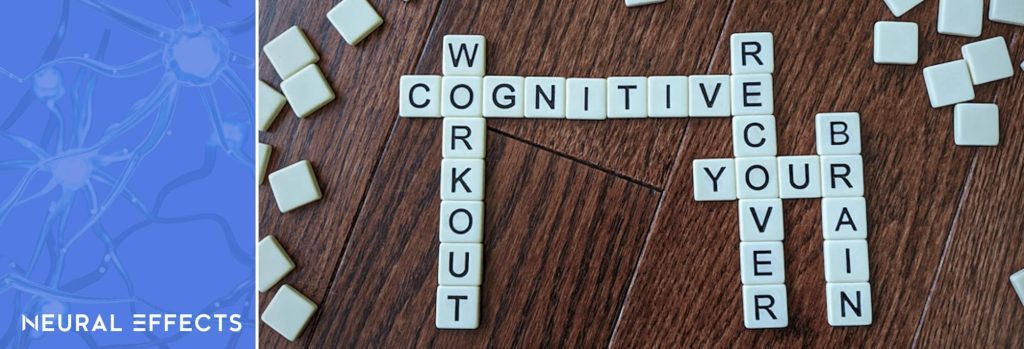
Thus, the analysis into how these games may serve as a powerful tool for stress reduction sheds light on their unique therapeutic properties. As the conversation around mental health continues to evolve, integrating such enjoyable yet challenging experiences into daily routines may be a fundamental step towards achieving a balanced state of well-being. Embracing these methods could very well support a healthier lifestyle by reducing stress in a fun, engaging way.
DON’T MISS: Click here to discover the benefits of puzzles for your mental health
The Cognitive Benefits of Reasoning Games
As we delve deeper into the therapeutic properties of reasoning games, it becomes essential to understand how these activities engage our cognitive abilities and contribute to stress relief. The brain, much like any other muscle, thrives on challenge. Engaging in reasoning games not only provides mental exercise but also introduces an array of benefits that can significantly diminish anxiety levels and improve overall mental health.
One of the primary ways reasoning games help alleviate stress is through the mechanism of distraction. When engrossed in a challenging puzzle or a strategic game, individuals naturally redirect their focus away from life’s stressors. This can temporarily stave off feelings of worry and anxiety, providing a needed break from a chaotic environment. According to a study published in the journal *Psychological Science*, engaging in cognitive activities can lead to a reduction in emotional distress, allowing individuals to experience a heightened sense of well-being.
Puzzles, which come in various forms, are especially effective at engaging different cognitive functions. They can promote critical thinking, enhance pattern recognition, and improve logical reasoning. For instance, working through a Sudoku puzzle requires players to use deductive reasoning to fill in numbers, which can boost problem-solving skills and encourage a sense of accomplishment upon completion. Here are some key benefits associated with puzzles:
- Encouragement of critical thinking – Puzzles motivate players to analyze the situation and approach each problem methodically, reducing impulsivity often exacerbated by stress.
- Sense of achievement – Completing a challenging puzzle offers players tangible success, enhancing mood and self-esteem.
- Stimulation of brain activity – Regularly solving puzzles can activate various regions of the brain, promoting neural connectivity and improving overall cognitive performance.
Strategy games also play a crucial role in stress management. Games like chess not only require foresight and planning but also cultivate patience and self-discipline—qualities essential for managing stress in daily life. As these games promote a long-term focus and strategic thinking, players can become more adept at navigating complex situations beyond the game board. The mental engagement they provoke encourages players to evaluate multiple perspectives and engage in thoughtful decision-making.
Moreover, reasoning games like memory-based activities can significantly enhance cognitive flexibility and adaptation. Memory games require participants to match pairs or recall sequences, thereby sharpening their mnemonic capabilities. Enhanced memory functions can lead to greater confidence and reduced stress when managing multiple tasks or remembering deadlines. This adaptability is crucial in today’s fast-paced world, where stress often stems from information overload and the need to multitask effectively.
The integration of reasoning games into daily routines offers a multifaceted approach to stress reduction. By captivating our minds, they help create a mental sanctuary where relaxation and cognitive exercise coexist. As we explore more research and anecdotal evidence surrounding these games, it becomes increasingly clear that they serve not just as entertainment but as powerful tools for enhancing mental health and well-being.
How Reasoning Games Enter the Therapeutic Landscape
Reasoning games, often perceived as mere entertainment, are carving a niche in therapeutic practices. Their inherent ability to engage and stimulate the mind establishes a bridge between cognitive exercise and emotional well-being. This section delves into how these games function as a conduit for stress reduction.One of the primary therapeutic properties of reasoning games lies in their cognitive engagement. Engaging with puzzles or strategy games requires a level of concentration that diverts attention from stressors. This focused attention not only enhances problem-solving skills but also fosters a sense of accomplishment when challenges are overcome, reinforcing positive psychological states.Moreover, these games promote mindfulness. Players become immersed in the game, which helps in quieting the noise of daily life and distractions. Critical thinking exercises in games encourage players to slow down and evaluate situations with clarity, which is integral in managing stress. For instance, strategies used in chess could translate into better decision-making in real-life scenarios.The social aspect of reasoning games also contributes significantly to their therapeutic value. Many games foster collaboration, allowing players to engage with friends or family. This interaction can ease feelings of isolation and promote social bonding, which is a crucial element in maintaining mental health. Additionally, sharing strategies or competing in a friendly manner creates a supportive environment where players can express themselves freely, further alleviating stress.The therapeutic benefits of reasoning games extend beyond mere distraction; they encourage emotional resilience. By continually facing and solving challenges, players can develop a more robust coping mechanism for dealing with stress in various life contexts. As we explore the multifaceted impacts of reasoning games on mental health, take a closer look at the following table, which summarizes key advantages these games possess, contributing meaningfully to stress reduction.
| Advantages | Description |
|---|---|
| Cognitive Engagement | Focuses attention away from stressors, enhancing problem-solving abilities. |
| Mindfulness Promotion | Encourages players to immerse themselves, fostering a sense of relaxation. |
| Social Interaction | Facilitates bonding with others, reducing feelings of isolation. |
| Emotional Resilience | Cultivates coping strategies through continual exposure to challenges. |
Exploring these therapeutic properties opens doors for deeper understanding, inviting both players and mental health professionals to recognize the potential of reasoning games as tools for enhancing cognitive flexibility and emotional wellbeing. As we continue our exploration, more surprising findings await discovery, illustrating the profound effects these games can have in reducing stress.
DIVE DEEPER: Click here to uncover the psychology behind mind games
The Social Impact of Reasoning Games
A significant aspect of reasoning games that further contributes to their stress-relieving properties lies in their social component. Many reasoning games, whether played face-to-face or online, foster social connections that are vital for emotional support and reducing feelings of isolation. By participating in group activities, individuals engage in shared experiences that can counteract stress and promote a sense of community. Social interaction has been linked to lower levels of cortisol, the hormone associated with stress, as highlighted by research from the American Psychological Association.
Collaborative reasoning games, such as escape room challenges or team-based puzzle games, require players to work together, encouraging communication and cooperation. This collaboration helps develop social skills, which may contribute to stronger interpersonal relationships and improved emotional resilience. When players successfully navigate challenges as a team, they not only enhance their problem-solving abilities but also build a supportive network that can help manage stress in their daily lives.
The act of competing in reasoning games can also be beneficial for stress management. While competition might seem counterproductive, it can actually provide a healthy outlet for individuals to channel their energy. Competitive games stimulate the release of dopamine, the “feel-good” neurotransmitter, which can improve mood and reduce feelings of stress. Games like chess tournaments or quiz competitions create opportunities for people to challenge themselves and celebrate victories, reinforcing a positive mindset.
Mindfulness and Focus
Another therapeutic property of reasoning games is their ability to promote mindfulness and focus. Engaging fully in a game requires concentration and attention, which can effectively distract players from anxiety-inducing thoughts clamoring for their attention. This absorption in a task helps cultivate a state of flow, characterized by deep engagement and satisfaction in the activity. Neuroscientific studies have shown that flow states can significantly reduce stress levels and enhance overall well-being.
For example, games that incorporate logic and strategy, such as Go or bridge, not only demand concentration but also prompt players to think several moves ahead. This forward-thinking cultivates resilience and enhances cognitive endurance, traits that contribute to better handling stressful situations outside the game environment. By practicing focus through games, individuals sharpen their ability to concentrate in real-life scenarios, such as during work presentations or high-stakes meetings.
A Gateway to Relaxation Techniques
In addition to these cognitive and social benefits, reasoning games often serve as gateways to traditional relaxation techniques. For instance, many players find that engaging in puzzles or strategy games leads them to explore additional stress-relief practices, such as meditation or yoga. The calming nature of these games can foster a desire for a balanced life, encouraging players to incorporate mindfulness activities that further combat stress.
A recent survey conducted by the National Alliance on Mental Illness revealed that individuals who engage in reasoning games alongside practicing mindfulness experienced decreased symptoms of anxiety and an overall improved quality of life. This connection highlights how the therapeutic properties of reasoning games can overflow into broader strategies for mental health improvement.
As we continue to examine the role of reasoning games in stress reduction, it becomes increasingly evident that their multifaceted nature encompasses cognitive improvements, social interactions, mindfulness development, and relaxation techniques. The blend of these elements makes reasoning games not only enjoyable but invaluable tools in fostering emotional well-being and resilience in a demanding world.
DISCOVER MORE: Click here to learn about enhancing cognitive abilities with memory games
Conclusion
In our fast-paced modern world, the prevalence of stress and anxiety is undeniable, making it essential to explore effective methods for relief. Reasoning games emerge as a powerful tool not only for entertainment but also for fostering emotional well-being. Through an engaging blend of cognitive challenges, social interaction, and mindful focus, these games provide a multi-dimensional approach to stress reduction.
Participating in reasoning games helps sharpen mental acuity while simultaneously fostering social connections that are vital for emotional support. The competitive nature of these games, coupled with teamwork dynamics, cultivates resilience and promotes a positive mindset. As players navigate through challenges together, they forge supportive relationships that extend beyond the gaming experience. This interconnectedness can lead to lower stress levels and improved mental health outcomes.
Moreover, reasoning games encourage mindfulness by demanding sustained concentration, pulling players away from everyday stressors and allowing them to immerse themselves fully in the moment. The calming nature of these experiences often inspires individuals to adopt additional relaxation techniques, such as meditation or yoga, paving the way for a more balanced lifestyle.
As research continues to highlight the therapeutic properties of reasoning games, they are becoming increasingly recognized as valuable resources in mental health strategies. By investing time in these engaging activities, individuals not only sharpen their cognitive skills but also enhance their emotional resilience. In conclusion, the power of reasoning games represents a promising frontier in combating stress while enriching the social and cognitive fabric of our lives.