Power of Puzzles Boost Mental Health Relieve Stress Effectively
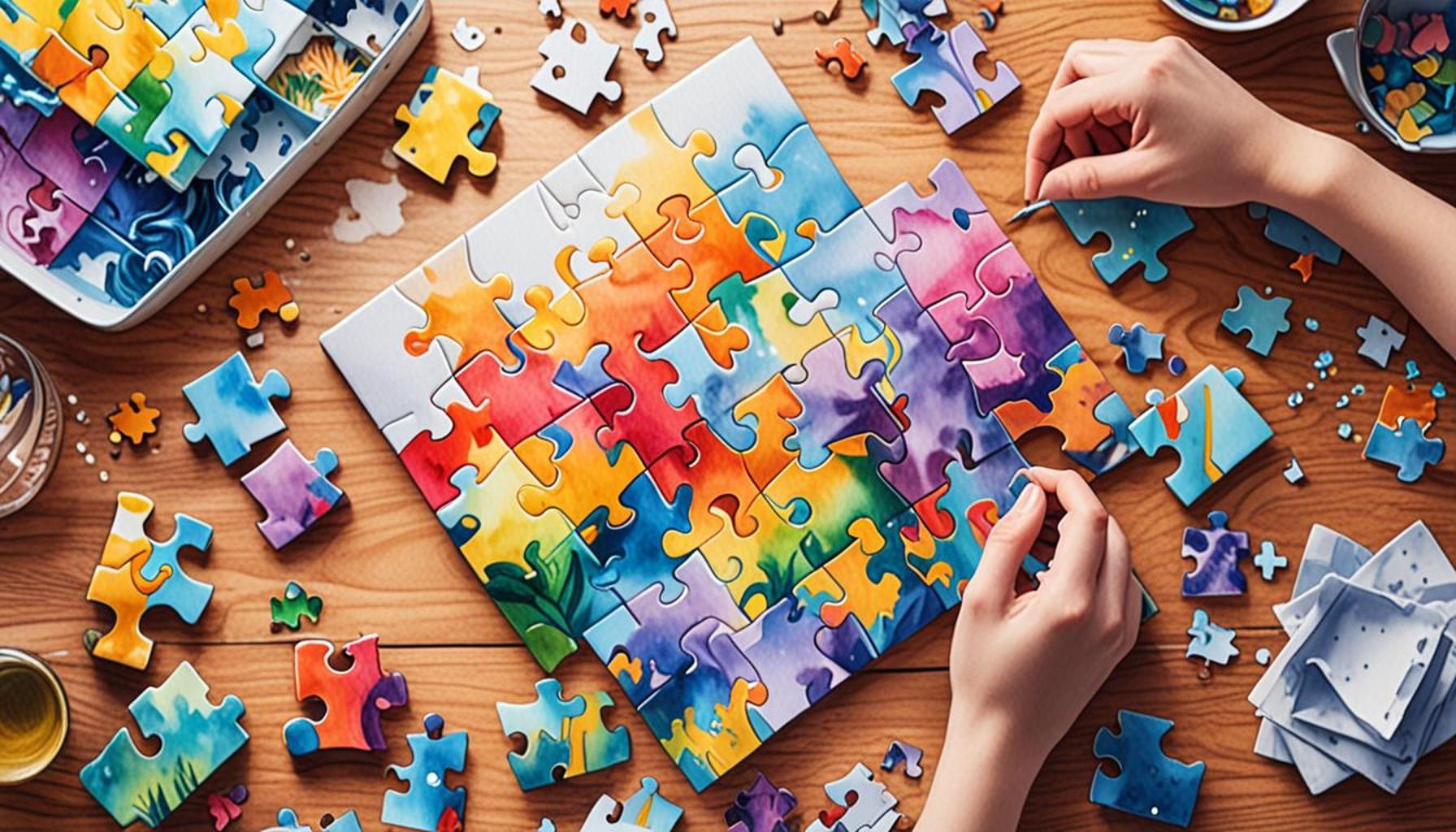
Puzzles have long been celebrated for their ability to entertain, but recent studies reveal they may offer much more: profound benefits for mental health and stress relief. Engaging in mind games and challenges can stimulate cognitive function while providing a welcome distraction from daily challenges. As people increasingly seek alternative methods to enhance their well-being, understanding the therapeutic effects of puzzles becomes crucial.
The relevance of puzzles in promoting mental health is backed by a growing body of research demonstrating their effectiveness in:
- Reducing anxiety by allowing individuals to focus on problem-solving.
- Improving mood through rewarding moments of accomplishment.
- Enhancing memory and cognitive skills via engaging brain training.
This article explores the top five puzzles that stand out in their ability to boost mental health and relieve stress. Prepare to discover which games could become your new go-to for relaxation and mental clarity.
DIVE DEEPER: Click here to enhance your skills
Top 5: The Efficacy of Puzzles in Promoting Mental Health and Stress Relief
Puzzles are more than just fun and engaging games; they serve as powerful tools for promoting mental health and providing stress relief. In our increasingly fast-paced world, the need for effective coping mechanisms has become vital. This article delves into the top five ways that puzzles contribute to mental wellness, ranked from the least to the most impactful. Discover how these entertaining activities can significantly improve your mental well-being.

5. Cognitive Engagement
The act of solving puzzles stimulates the brain, thereby enhancing cognitive function. Engaging in activities like crosswords or Sudoku requires critical thinking skills that activate various brain regions. This cognitive engagement can lead to improved memory, better problem-solving skills, and increased attention span.
Recent studies have shown that mental exercises, such as puzzles, can help combat cognitive decline as we age. When we challenge our minds regularly, we build up a mental reserve that can protect against age-related issues. For example, jigsaw puzzles particularly engage both hemispheres of the brain, encouraging visual-spatial reasoning and intricate problem-solving. Such activities are akin to a workout for the mind, consistently maintaining mental sharpness.
Moreover, competitive and timed puzzles introduce an additional layer of complexity, further enhancing mental acuity and quick decision-making skills. Cognitive engagement keeps us sharp and helps delay some of the natural degradation that comes with aging.
4. Mindfulness and Focus
Puzzles require concentration and focus, promoting a state of mindfulness. When you immerse yourself in a puzzle, distractions fade away, letting all your attention gravitate towards the task at hand. This state can help alleviate anxiety and stress by allowing mental space to calm down.
Mindfulness, the practice of maintaining awareness of the present moment without judgment, is beneficial for emotional regulation and mental clarity. Puzzles naturally facilitate this by demanding exclusive attention. People tackling complex problems often experience states similar to meditation, known as ‘flow’.
To engage in mindfulness while solving puzzles, practitioners suggest features such as:
- Choosing puzzles that you truly enjoy
- Setting a specific duration to focus on puzzling
- Eliminating distractions, such as turning off your phone or finding a quiet space
By adopting these practices, you not only immerse yourself in the moment but also establish healthier coping habits for stress management. Such mindful focus is a reprieve from the incessant rule of multitasking modern life.
3. Social Interaction
Puzzles can serve as a great way to enhance social connections. Whether it’s a jigsaw puzzle with family or a trivia game with friends, these activities present opportunities for collaboration and bonding. Engaging in group puzzle-solving can bolster relationships, as it creates a shared experience that often leads to laughter and friendly competition.
Research indicates that maintaining strong social ties provides emotional support, ultimately contributing to improved mental health. Social engagements often serve as protective factors against depression and anxiety. Studies suggest that collaborative efforts in puzzles can enhance communication skills, as participants must work together and exchange ideas effectively.
So when you’re looking to strengthen relationships or build new ones, invite your friends or family for a puzzle night. Share the experience and watch as your social bonds deepen, providing you with a network of supportive connections.
2. Stress Reduction
Engaging in puzzles is a proven method for reducing stress levels. The immersive nature of puzzle-solving allows individuals to step away from daily stressors and concerns. As you piece together a jigsaw or decode a riddle, your mind can begin to relax, offering a temporary escape from reality.
When fully engaged in a puzzle, the mind transitions from the busyness of daily stressors to concentrating solely on the task at hand. This reprieve can lower heart rate and cortisol levels, indicators of stress, ushering in a more relaxed state. Puzzles have a therapeutic aspect, akin to coloring books or knitting, which serve the same calming purpose.
Several studies have demonstrated that engaging in enjoyable activities can produce serotonin, the brain’s ‘feel-good’ hormone. Thus, the more you engage in puzzle activities, the more effectively you can manage your stress levels. This serves as a reminder that even small moments of joy can lead to major changes in mood and mental health.
1. Boosting Self-Esteem and Confidence
At the top of our list is the incredible capability of puzzles to boost self-esteem and confidence. Completing a challenging puzzle brings a profound sense of accomplishment, which can significantly enhance an individual’s self-worth. This positive feedback loop encourages individuals to tackle increasingly difficult puzzles, further improving their cognitive and emotional resilience.
Interestingly, this aspect of puzzle-solving can also be linked to broader life changes. Individuals who regularly solve puzzles often report feeling more capable and proficient in other areas of their lives, leading to a more pronounced sense of agency and personal control.
In professional environments, puzzles such as logic problems or team-based strategic games are often used in training seminars. They build individual confidence and collective team efficacy. Conquering puzzles encourages an attitude of ‘can-do’, spilling over into other life areas.
In conclusion, puzzles serve fascinating roles beyond mere entertainment. They enhance cognitive function, promote mindfulness, improve social interactions, reduce stress levels, and ultimately boost self-esteem and confidence. Next time you find yourself feeling overwhelmed or anxious, consider picking up a puzzle—it might just be the mental break you need.
The use of puzzles, ranging from jigsaw designs to crosswords, has evolved into a compelling tool for enhancing mental health and alleviating stress. As society grows increasingly aware of the profound impact of mental well-being, puzzles have surfaced as an accessible, enjoyable, and effective means of promoting cognitive function and emotional stability.One notable advantage is how puzzles serve as a form of cognitive exercise. Engaging in puzzles challenges the brain to think critically and creatively, thereby enhancing problem-solving skills and boosting memory retention. This cognitive engagement is notably beneficial for individuals seeking to maintain mental sharpness, especially as they age. Research has shown that regular participation in mentally stimulating activities, such as solving puzzles, can lead to a reduced risk of cognitive decline.Additionally, puzzling promotes mindfulness, an essential aspect of mental health. As individuals focus on fitting pieces together or deciphering clues, they naturally drift into a state of concentration that allows for moments of quiet reflection and mental clarity. This process can significantly reduce feelings of anxiety and stress, as it encourages individuals to shift their focus from daily worries to the immediate satisfaction of completing a task. Mindfulness, facilitated by this engrossing activity, has been associated with lower blood pressure and improved mood.Moreover, puzzles foster social connections, which are crucial for maintaining good mental health. Engaging in puzzles can be a shared activity with family or friends, creating opportunities for social interaction and bonding. Whether working together on a jigsaw puzzle or competing in crossword challenges, these shared experiences can enhance relationships and provide a support system that bolsters emotional resilience.Additionally, the sense of accomplishment that comes with completing a puzzle cannot be understated. This feeling not only boosts self-esteem but also reinforces a positive attitude. Achieving a goal, no matter how small, helps cultivate motivation and a sense of purpose, essential aspects of mental well-being.The therapeutic benefits of puzzles extend to their potential use in various settings, including therapy and rehabilitation programs. Therapists have incorporated puzzles into treatment methodologies, recognizing their value in encouraging patients to engage mentally and socially while addressing specific cognitive deficits.In this context, the act of puzzling emerges as more than just a leisure activity; it is a gateway to improved mental health, social integration, and cognitive enhancement, elements essential for navigating today’s complex world. As individuals increasingly turn to holistic methods for mental health promotion, embracing puzzles may prove to be not only fun but profoundly beneficial. To further explore these points on the effectiveness of puzzles in promoting mental health and reducing stress, consider engaging with a variety of puzzle types such as jigsaw, Sudoku, or even digital puzzle games, each offering unique challenges and rewards that cater to diverse interests and preferences. The journey into the world of puzzles can indeed open doors to an enriched mental landscape, fostering both enjoyment and well-being.
DISCOVER MORE: Click here for fun puzzle tips!
Frequently Asked Questions about Puzzles and Mental Health
How do puzzles help in reducing stress?
Puzzles can serve as an effective tool for stress reduction by providing a focused mental activity that encourages the mind to relax. Engaging with puzzles can create a state referred to as “flow,” which is the feeling of being completely absorbed in a task. This immersive experience can help divert attention from stressors, promoting a sense of peace and tranquility. Furthermore, the repetitive nature of puzzles can induce a meditative state, leading to physical relaxation and mental calmness.
Can solving puzzles improve cognitive abilities?
Yes, consistently engaging with puzzles can enhance various cognitive functions, including memory, attention to detail, and problem-solving skills. Completing a puzzle requires several cognitive processes to work together, which can lead to improvements in brain function over time. Studies have shown that individuals who regularly challenge themselves with puzzles can experience enhanced mental agility and even delayed symptoms of cognitive decline as they age.
Are puzzles suitable for all age groups when it comes to mental health benefits?
Absolutely. Puzzles are versatile tools that can provide mental health benefits across different age groups. For children, puzzles can support the development of fine motor skills and hand-eye coordination, while also encouraging patience and perseverance. Adults and seniors benefit from the cognitive stimulation that puzzles provide, which can help maintain and even enhance mental acuity. Ultimately, puzzles can be enjoyed by anyone looking to boost their brain health while also experiencing stress relief.
What types of puzzles are most effective for mental health improvement?
Various types of puzzles can be effective, depending on individual preferences and cognitive goals. Jigsaw puzzles, for instance, are excellent for enhancing spatial reasoning and concentration. Crossword puzzles can strengthen vocabulary and language skills, while logic puzzles such as Sudoku or chess challenges stimulate critical thinking and problem-solving abilities. The key is to choose a puzzle that aligns with personal interests and cognitive objectives, ensuring a tailored mental workout.
DIVE DEEPER: Click here to discover the mechanics behind strategy board games
Conclusion: The Power of Puzzles in Mental Health and Stress Relief
In our exploration of the efficacy of puzzles in promoting mental health and alleviating stress, we uncovered a multitude of benefits that extend beyond mere entertainment. First and foremost, puzzles serve as potent tools for cognitive enhancement. They stimulate various parts of the brain, leading to improved memory, concentration, and problem-solving skills. The engagement required to piece together a puzzle allows the mind to focus, fostering a meditative state that can significantly reduce stress levels.
Moreover, puzzles offer an accessible and straightforward method to support mental well-being. Unlike other stress-relief activities that may require special equipment or complex instructions, puzzles are widely available and easy to engage with at any time. This accessibility can be particularly beneficial in times of high stress or anxiety, offering a quick respite to refocus and recalibrate the mind.
Furthermore, the structured challenge of completing a puzzle provides a sense of accomplishment and boosts self-confidence. This aspect of puzzles can be especially empowering, as each completed piece represents a small victory, reinforcing positive mental health outcomes. Such achievements, albeit modest, can have a cumulative effect, leading to an enhanced sense of personal efficacy and well-being.
While this article provides an overview of the mental health benefits associated with puzzles, it merely scratches the surface of their potential. As we strive for a deeper understanding of cognitive functions and stress management, further research will continue to underline the importance of mind games in our lives. For those seeking a practical, enjoyable, and effective tool to combat stress and bolster mental acuity, puzzles present an intriguing and valuable option worthy of exploration.